Choosing reliable Zirconium Sphere suppliers in 2026 requires more than comparing online prices. Buyers must examine material quality, manufacturing controls, delivery reliability, and technical support. A supplier may offer attractive specifications, yet provide limited evidence behind them.
Experienced procurement teams usually request certificates of analysis, batch numbers, dimensional reports, and impurity data. These records help confirm zirconium purity, sphere diameter, surface finish, density, and consistency. Ask whether testing occurs internally or through an independent laboratory. The answer matters.
Look closely at production details. Are the spheres made for laboratory use, wear-resistant applications, precision equipment, or another defined purpose? A supplier should explain its forming process, inspection frequency, packaging method, and storage conditions. Small details can affect performance. For example, scratched surfaces or poorly sealed bags may create problems during installation or testing.
Supplier credibility also depends on traceability. Verify company registration, quality certifications, export experience, and customer references through reliable sources. Do not rely only on a polished website. It may show excellent photographs but little technical substance. Request a sample when practical. A sample can reveal uneven geometry, contamination, or inconsistent labeling.
Price still matters, but the lowest quotation may hide higher inspection and replacement costs. Compare total value, not just unit cost. Delivery schedules, minimum order quantities, communication speed, and after-sales responsibility deserve equal attention.
No supplier is perfect. Even strong manufacturers can face delays or batch variation. The better choice is a transparent supplier that admits limitations and explains corrective actions. This guide examines practical questions, evidence, and evaluation methods for selecting a dependable Zirconium Sphere supplier in 2026.
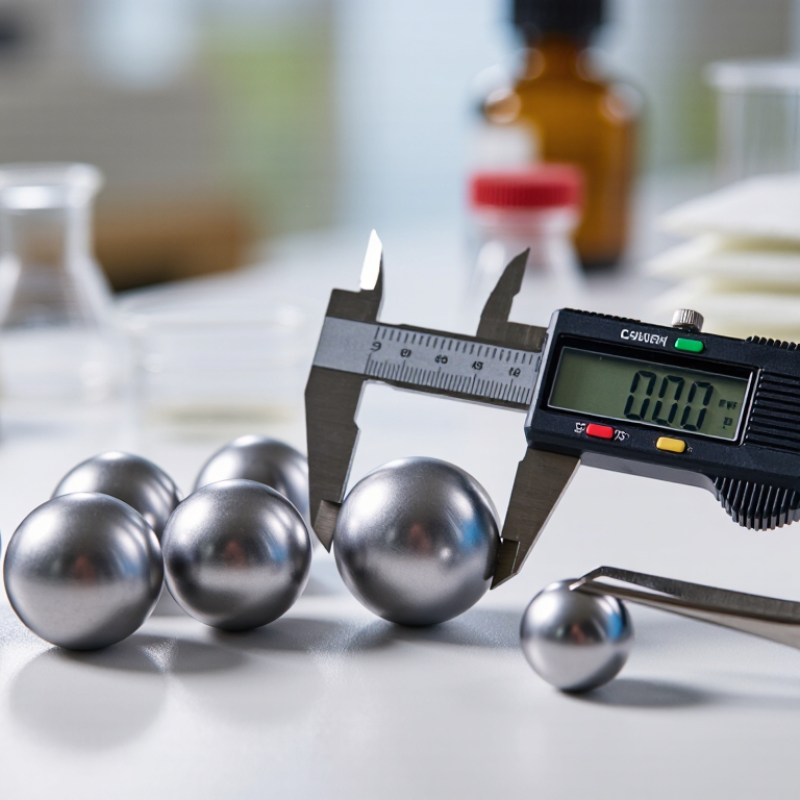
Choosing zirconium sphere suppliers in 2026 starts with a precise requirement sheet. Define diameter, tolerance, grade, density, surface finish, and acceptable contamination. State whether spheres will serve valve seats, precision bearings, laboratory fixtures, or high-temperature components. Each use changes the specification. For example, a 10 mm sphere for a chemical assembly may need different surface control than a 0.5 mm calibration sphere. Specify temperature, pressure, contact load, and exposure to acids or alkalis. Do not rely on “high purity” alone. That phrase is too vague.
Ask suppliers for a current material certificate, dimensional inspection report, and traceability record for each production lot. The certificate should identify zirconium grade, chemical composition, heat treatment, and test methods. Request sample spheres before approving volume production. Measure them with calibrated gauges, optical instruments, or a coordinate measuring system suited to the tolerance. Check roundness, roughness, scratches, pits, and surface defects under controlled lighting. Small marks can become serious contact failures. Inspection methods can still vary, so results need agreed acceptance criteria. Perfection is rarely measurable.
Review manufacturing experience, quality controls, packaging, lead time, and corrective-action records. Ask how rejected lots are segregated and how specification changes are communicated. Confirm applicable industry and project standards before purchasing. Keep drawings and revisions controlled. A rushed specification creates expensive ambiguity. Revisit it with engineering and quality teams when operating conditions change. Good sourcing is not only about price; it is about evidence matching the application.
How to Choose Zirconium Sphere Suppliers in 2026?
Choosing zirconium sphere suppliers requires more than comparing prices. Start by checking the material grade, zirconium purity, and alloy composition. Ask for mill certificates, chemical analysis, and complete lot traceability. Important details include oxygen, hydrogen, iron, and hafnium levels. These elements can affect corrosion resistance and service life. A polished certificate is not proof.
Review the manufacturing process in practical detail. Forging, machining, cold forming, and surface finishing can produce different results. Ask how the supplier controls sphere diameter, roundness, density, and surface roughness. Request sample measurements from several production lots. For demanding applications, examine microscopic images and dimensional reports. Small flaws matter. A tiny flat spot may affect movement, sealing, or wear.
Quality control should cover incoming material, production stages, cleaning, packaging, and final inspection. Useful evidence includes calibrated equipment records, inspection procedures, nonconformance reports, and corrective action history. Independent testing can verify hardness, composition, and surface condition. Supplier audits are valuable, but remote reviews have limits. A clean presentation may hide inconsistent processes. Clarify inspection frequency, sampling standards, and replacement policies before ordering. Some requirements may still be unclear after technical discussions, so record every tolerance and acceptance method in writing.
How to Choose Zirconium Sphere Suppliers in 2026?
A supplier’s certificate is only the starting point. The ISO Survey 2023 recorded more than 1.26 million ISO 9001 certificates worldwide. That number shows quality systems are common, not that every sphere meets your specification. Ask for the certificate number, issuing body, scope, and expiration date. The scope must cover manufacturing or testing of zirconium spheres, not unrelated products. For laboratory results, prefer testing laboratories accredited to ISO/IEC 17025.
Testing methods deserve close attention. Request chemical composition results, density, dimensional tolerance, surface finish, hardness, and magnetic or ultrasonic inspection records when applicable. The report should identify the test standard, equipment, calibration date, sample size, and acceptance limits. ASTM methods may support testing, but the exact method must match the sphere’s material and intended use. A vague phrase like “passed quality inspection” proves very little.
Traceability should continue from raw material to shipment. Each lot needs a unique number linked to the mill certificate, production date, furnace record, inspection data, and packaging label. Check whether the supplier retains records for your required period. A broken chain is a serious warning. Still, traceability can be imperfect; mixed lots or copied documents sometimes escape routine review. Compare labels, heat numbers, and reports before approval. USGS Mineral Commodity Summaries 2025 also highlights zirconium’s dependence on concentrated mineral supply chains, making raw-material verification increasingly important.
Verify certifications, testing methods, and product traceability before approving a supplier.
This 10-point buyer checklist prioritizes the evidence needed for zirconium spheres: certification and laboratory competence, documented testing, and complete lot-level traceability. Look for ISO 9001 quality-system certification, ISO/IEC 17025-accredited laboratory results where applicable, a stated chemical-analysis method, dimensional and surface inspection records, material certificates, and heat or lot numbers that connect the product to its manufacturing and test records. The chart is a procurement framework, not a market-share or company-performance survey.
Choosing Zirconium Sphere Suppliers in 2026
Pricing should be compared by specification, not by unit price alone. Request quotations for identical diameter, purity, tolerance, surface finish, and packaging. A low offer may exclude inspection, protective containers, or shipping preparation. Ask for a complete cost breakdown. It exposes hidden charges. Experienced buyers should also review material certificates, batch traceability, and inspection records. These documents support reliable quality decisions.
Lead time often changes with customization. Standard spheres may ship within days, while tight tolerances or special surface treatments can require several weeks. Ask whether the quoted date means production completion or delivery to your facility. Confirm sample approval procedures before placing a volume order. A missed approval step can delay the entire schedule. I have found that written milestones work better than optimistic promises.
Customization deserves practical questions. Can the supplier control diameter variation across one lot? Can they provide a small pilot batch before full production? Discuss purity requirements, cleaning methods, labeling, and moisture protection. Then examine supply capacity through equipment, workforce, quality controls, and historical monthly output. Capacity claims need evidence. Request recent production examples without exposing confidential customer information. Also test their response during a minor change, such as a revised package quantity. If communication becomes slow, larger orders may become difficult. Forecasts are rarely perfect, so flexible replenishment plans matter.
| Anonymous Supplier Profile | Typical Product Scope | Indicative Price Range USD/kg |
Standard Lead Time | Custom Manufacturing Capability | Typical Monthly Capacity | MOQ | Quality and Documentation | Best Fit |
|---|---|---|---|---|---|---|---|---|
| Profile A Large-volume industrial producer |
Zirconium and zirconium-alloy spheres for chemical processing, valve components, and high-temperature applications; common diameters from 3 to 25 mm. | $220–$360 | 4–8 weeks for standard sizes | Limited-to-moderate customization; diameter tolerances, surface finish, packaging, and material certificates available. | 8–20 metric tons | 100–300 kg | Mill test certificate, chemical composition, dimensional inspection, and batch traceability typically available. | Projects prioritizing competitive pricing, repeat orders, and stable supply. |
| Profile B Precision machining specialist |
Precision zirconium spheres for metering, instrumentation, laboratory equipment, and corrosion-resistant assemblies; typical diameters from 0.5 to 12 mm. | $480–$950 | 6–12 weeks | High customization; tight diameter tolerances, controlled sphericity, special polishing, deburring, and engineered drawings supported. | 0.5–3 metric tons | 10–50 kg | Dimensional inspection report, surface-finish data, material traceability, and inspection samples commonly supplied. | Critical components where precision and surface quality are more important than lowest price. |
| Profile C Stock-based distributor |
Ready-stock zirconium or zirconium-alloy spheres in frequently requested diameters, supplied in standard industrial packaging. | $300–$620 | 1–3 weeks from available stock | Low customization for stocked items; special sizes and grades generally require a factory production order. | 0.2–2 metric tons from stock; replenishment depends on upstream production. | 5–25 kg | Certificate of conformity and available material certificate; independent inspection may require an additional fee. | Urgent maintenance, pilot production, and low-volume requirements. |
| Profile D Engineering-led custom manufacturer |
Custom zirconium spheres and assemblies for medical, aerospace, vacuum, and specialized chemical applications; non-standard geometries may be reviewed. | $700–$1,500+ | 10–18 weeks, including qualification | Very high customization; prototype development, drawing review, alloy selection, special cleaning, vacuum packaging, and qualification batches. | 0.1–1 metric ton | 1–10 kg for prototypes; higher for production orders | Full material traceability, first-article inspection, process documentation, and customer-specific quality plans may be available. | Highly regulated or technically demanding applications requiring engineering support. |
| Profile E Mid-sized export manufacturer |
Standard and semi-custom zirconium spheres for pumps, chemical equipment, wear-resistant components, and industrial research. | $260–$520 | 5–10 weeks | Moderate-to-high customization; size, alloy grade, polishing level, tolerances, labeling, and export packaging can usually be negotiated. | 2–8 metric tons | 25–100 kg | Material certificate, dimensional report, packing list, export documentation, and pre-shipment inspection options. | Balanced projects requiring reasonable pricing, customization, and export experience. |
| Benchmark note: The prices and capacity figures are indicative 2026 planning ranges for zirconium metal or zirconium-alloy spheres. Actual quotations vary according to zirconium grade, sphere diameter, tolerance, sphericity, surface finish, certification requirements, order volume, packaging, inspection, freight, and applicable duties. Request a written quotation that confirms material grade, dimensions, tolerance, inspection method, Incoterms, delivery date, and certificate package before selecting a supplier. | ||||||||
How to Choose Zirconium Sphere Suppliers in 2026?
Supplier reliability matters more than a low quotation. Request traceable batch records, certificates of analysis, and clear inspection methods. Each zirconium sphere should match the agreed diameter, purity, surface condition, and packaging requirements. Ask how the supplier controls contamination during production and handling.
Small details reveal technical strength. Can their engineers review drawings, tolerance limits, and application temperatures? Do they provide sample testing before a large order? A useful supplier explains limitations instead of promising everything. Response time also matters. Delayed technical answers can become costly production delays.
Look beyond the first shipment. Check raw material continuity, production capacity, quality procedures, and document accuracy. Ask whether critical tests can be repeated by an independent laboratory. Review their process for nonconforming products and replacement decisions. A polished website proves little. Evidence matters more.
Long-term risks are easy to underestimate. Prices may change, specifications may drift, or one production site may create supply pressure. A written change-notification process can reduce surprises. Still, no qualification plan is perfect. Recheck performance after several batches, not only during approval. Keep a backup source when downtime would damage your operation. Reliability grows from repeated evidence, not confident promises.
Request mill certificates, chemical analysis, alloy details, and complete lot traceability. Check oxygen, hydrogen, iron, and hafnium levels.
Impurities can affect corrosion resistance and service life. A polished certificate is not proof. Verify results independently when possible.
Ask whether spheres are forged, machined, cold formed, or surface finished. These processes can change roundness, density, and surface roughness.
Request measurements from several production lots. Review diameter, roundness, density, and surface-finish reports. Tiny flat spots may affect sealing or movement.
Controls should cover incoming materials, production, cleaning, packaging, and final inspection. Ask for equipment calibration records and inspection procedures.
Check the certificate number, issuing body, scope, and expiration date. The scope should cover the actual sphere materials or testing.
Reports should identify test methods, equipment, calibration dates, sample sizes, and acceptance limits. “Passed inspection” alone proves very little.
Each lot should connect raw materials, production dates, furnace records, inspection results, and package labels. Compare heat numbers carefully.
Strong suppliers explain limitations, review drawings, support sample testing, and respond clearly. A polished website proves little.
Yes, when downtime could damage operations. Recheck performance after several batches. No qualification plan is perfect.
Choosing the right Zirconium Sphere supplier in 2026 requires a structured evaluation of technical, quality, and commercial factors. Begin by defining the sphere’s required size, purity, hardness, surface finish, dimensional tolerance, and intended application, then confirm that the supplier can meet relevant industry and application standards. Review the source and grade of zirconium, manufacturing processes, inspection procedures, and quality-control systems to ensure consistent performance from batch to batch.
Before placing an order, verify available certifications, testing methods, inspection reports, and product traceability records. Compare quotations alongside lead times, minimum order quantities, customization options, production capacity, packaging, and logistics—not price alone. A dependable supplier should also provide responsive technical support, clear communication, realistic delivery commitments, and effective handling of nonconformities. Finally, assess long-term risks such as material availability, capacity fluctuations, quality consistency, and continuity of service. A careful, evidence-based comparison will help you select a supplier capable of supporting both immediate requirements and future projects.