Follow 


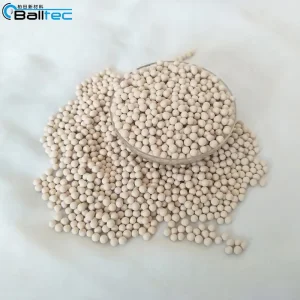
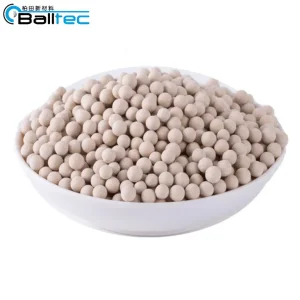
High-crush strength, thermally stable molecular sieves engineered for precise gas drying, hydrocarbon separation, and air purification systems across Romanian industrial hubs.
Romania holds a unique position as Eastern Europe’s largest natural gas producer and a pivotal refining hub. With major offshore gas initiatives in the Black Sea (such as the Neptun Deep project) alongside mature onshore extraction networks across Transylvania and Wallachia, the demand for high-specification synthetic zeolite adsorbents has reached an unprecedented scale.
Industrial facilities operating in key zones like Ploiești, Năvodari (Constanța), and Pitești demand robust molecular sieves capable of continuous, high-pressure operation. Deep dehydration of natural gas before pipeline transmission or Liquefied Natural Gas (LNG) processing is critical to prevent hydrate formation and corrosion in infrastructure.
Furthermore, Romania's rapid modernizing of its bioethanol plants to comply with EU Renewable Energy Directives (RED II/III), expanded automotive insulated-glass manufacturing around Craiva and Sibiu, and healthcare PSA oxygen deployment require direct-factory partnerships with verified molecular sieve manufacturers capable of guaranteeing strict adsorption kinetics, minimal dusting, and long cycle service lives.
Understanding crystal structure, cation exchange mechanisms, and kinetic pore size allows Romanian procurement managers and process engineers to optimize bed life and prevent co-adsorption losses.
| Zeolite Type | Nominal Pore Diameter | Cation Type | Bulk Density (g/ml) | Static Water Adsorption | Primary Industrial Application in Romania |
|---|---|---|---|---|---|
| Type 3A | ~ 3 Ångströms (0.3 nm) | Potassium (K+) | 0.68 – 0.74 | ≥ 21.5% | Cracked gas, ethylene, bio-ethanol dehydration, insulated glass windows. |
| Type 4A | ~ 4 Ångströms (0.4 nm) | Sodium (Na+) | 0.65 – 0.72 | ≥ 22.0% | Closed-loop gas drying, refrigerant dehydration, solvent trace water removal. |
| Type 5A | ~ 5 Ångströms (0.5 nm) | Calcium (Ca2+) | 0.64 – 0.70 | ≥ 21.5% | PSA Oxygen Generators, n-paraffin separation, natural gas sweetening (H2S removal). |
| Type 13X | ~ 10 Ångströms (1.0 nm) | Sodium (Na+ Type X) | 0.62 – 0.68 | ≥ 24.0% | Cryogenic air separation unit (ASU) pre-purification (H2O & CO2 removal), catalyst carrier. |
Our proprietary bead size distribution ensures a sharp Mass Transfer Zone, extending breakthrough time, lowering thermal regeneration energy costs, and maximizing bed volume capacity.
Formulated with high-purity binder technology, achieving attrition rates under 0.1% wt. This prevents bed compaction and downstream particulate fouling in high-pressure gas beds.
Optimized framework silica-to-alumina ratio retains micro-porous crystal structure even after hundreds of thermal regeneration cycles at temperatures exceeding 280°C.
Engineered to seamlessly integrate into existing Temperature Swing Adsorption (TSA) and Pressure Swing Adsorption (PSA) units.
For gas treatment complexes across Romania's Black Sea offshore landings and onshore fields, moisture levels must be reduced below 0.1 ppm to avoid pipeline freezing and hydrate blockages. Our 3A and 4A molecular sieves provide ultra-deep dehydration without co-adsorbing heavy hydrocarbons (C3+) or natural gas liquids, optimizing process yield.
Romania’s expanding biofuel processors rely on specialized 3A zeolites designed specifically to exclude ethanol molecules (~4.4 Å) while selectively capturing smaller water molecules (~2.8 Å). This process breaks the water-ethanol azeotrope without toxic co-solvents like benzene, delivering 99.9% pure anhydrous fuel ethanol compliant with EU EN 15376 specifications.
Steel, metallurgical, and chemical plants in Galați and Slatina require clean, dry air streams before cryogenic liquefaction. Our high-capacity 13X molecular sieves simultaneously remove carbon dioxide (CO2), trace hydrocarbons, acetylene, and moisture, protecting cryogenic heat exchangers from dangerous freeze-ups and explosion risks.
Providing high-purity medical and industrial oxygen, our 5A synthetic zeolite molecular sieve is optimized for fast nitrogen-oxygen kinetic separation in PSA concentrators. High nitrogen equilibrium capacity ensures maximum oxygen recovery rates with lower power consumption across Romanian healthcare networks and glass-blowing plants.
Ensuring direct factory supply transparency, rigorous batch certification, and smooth logistics to major Romanian ports and inland industrial hubs.
All molecular sieve formulations imported into Romania strictly comply with EU REACH registration standards, ensuring safe industrial usage, environmental safety, and minimal supply chain documentation hurdles.
Leveraging optimized ocean freight routes to the Port of Constanța alongside rail and highway logistics hubs to Bucharest and Ploiești, guaranteeing fast lead times and emergency inventory access.
Every shipment is accompanied by a Factory Analysis Certificate detailing Bulk Density (ASTM D4512), Particle Size Distribution, Attrition Rate (ASTM D4058), and Water Adsorption Capacity.
As Romania transitions toward lower carbon emissions and hydrogen economy integration, next-gen molecular sieves are leading the way.
With Romania aligning with EU Net-Zero targets, our engineering labs are introducing modified 13X and binderless APU molecular sieves with high CO2 kinetic selectivity under high temperatures. These adsorbents facilitate direct post-combustion carbon capture for heavy industrial plants across Galați and Târgu Mureș.
Hydrogen gas produced via electrolysis must undergo extreme purification to achieve fuel-cell grade purity (99.97%+). Our low-pressure drop molecular sieves efficiently remove micro-moisture, oxygen, and trace nitrogen in dedicated hydrogen PSA beds currently expanding in Romania’s energy corridors.
Detailed answers addressing engineering, ordering, logistics, and material selection for Romanian industrial facilities.
Selection depends entirely on the chemical composition of the gas stream. 3A Molecular Sieve (pore size ~3 Å) is mandatory for unsaturated hydrocarbon streams (such as ethylene, propylene, cracked gas, or ethanol) because its pore diameter excludes hydrocarbon molecules, preventing co-adsorption, bed polymerization, and coking. 4A Molecular Sieve (pore size ~4 Å) is ideal for non-reactive gases (natural gas, air, nitrogen, or saturated hydrocarbons) where a higher equilibrium water capacity is required and co-adsorption is not a risk.
Under recommended process conditions and proper thermal regeneration profiles, our molecular sieves typically achieve a service life of 3 to 5 years (or 3,000+ thermal cycles). High mechanical crush strength and high hydrothermal stability ensure minimal pore structure collapse over repeated heating and cooling cycles in natural gas and petrochemical plants.
We offer export-grade heavy-duty packaging options tailored for trans-European shipping: 25 kg multi-wall paper bags with PE liners, 150 kg airtight steel drums, or 1000 kg super sacks (jumbo bags) with nitrogen purging upon request to prevent atmospheric pre-adsorption during transit to Romanian plants or ports.
Yes. Our industrial adsorption engineers work directly with Romanian plant managers and engineering EPCs. We provide detailed mass transfer zone (MTZ) modeling, bed sizing calculations, pressure drop estimates, and thermal regeneration cycle recommendations based on your specific feed gas composition, pressure, temperature, and dew point targets.
Absolutely. All our products are produced under certified ISO 9001:2015 Quality Management Systems and ISO 14001 Environmental Management Systems. They comply with EU REACH regulations, allowing seamless import, handling, and operation within Romania and the broader European Union market.
Explore our full line of synthetic zeolites, zirconia grinding beads, and structural ceramic media designed for Romanian industrial buyers.
Contact our chemical engineering team today for technical datasheets, bed sizing support, and direct factory pricing tailored to your processing operations.
Send Inquiry Now