Follow 


High-capacity synthetic zeolite molecular sieves custom-manufactured for petrochemical refinement, gas dehydration, PSA oxygen generation, and solvent purification across Ho Chi Minh City and the Southern Key Economic Zone.
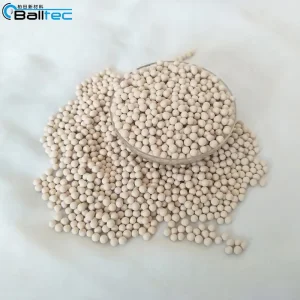
Optimized 3Å pore size for cracked gas drying, ethanol dehydration, and insulated glass manufacturing in HCMC.
View Specifications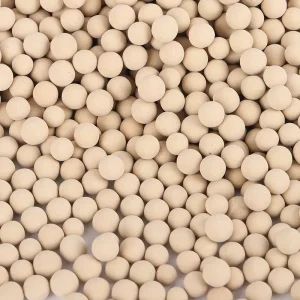
Ideal desiccant for closed pneumatic systems, compressed air drying, and trace contaminant adsorption.
View Specifications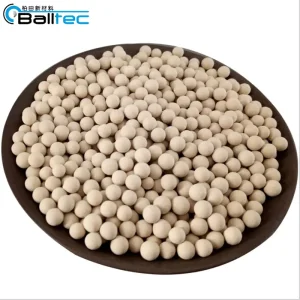
High-selectivity 5Å calcium-exchanged sieve tailored for PSA/VPSA oxygen generation and normal-paraffin separation.
View Specifications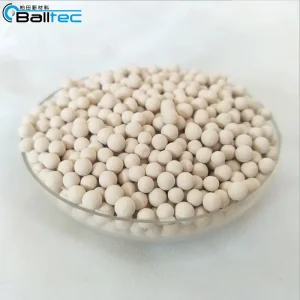
Large pore opening (10Å) designed for cryogenic air separation pre-purification and mercaptan removal.
View SpecificationsAs Vietnam’s economic powerhouse, Ho Chi Minh City (HCMC) and its neighboring industrial provinces—Binh Duong, Dong Nai, and Ba Ria-Vung Tau—represent the epicenter of Southeast Asia's rapid industrialization. The accelerating expansion of petrochemical complexes, bio-ethanol manufacturing, cryogenic gas processing, and high-tech electronic component manufacturing has created unprecedented demand for ultra-high-purity synthetic zeolites and molecular sieve desiccants.
In thermal, catalytic, and separation processes, molecular sieves are not merely consumables; they are critical capital protection assets. Inadequate dew-point control or premature adsorbent degradation can result in multi-million-dollar catalyst poisoning, valve freezing in cryogenic columns, or off-spec petrochemical batches. Our manufacturing facilities provide direct engineering support and tailored zeolite formulations to ensure continuous operational uptime for plants situated across Southern Vietnam's key industrial zones, including Hiep Phuoc IP, Tan Thuan EPZ, Phu My Industrial Zones, and the Long Son Petrochemical Complex.
Synthetic zeolites are crystalline aluminosilicates possessing three-dimensional interconnecting networks of silica (SiO₄) and alumina (AlO₄) tetrahedra. The specific cation exchange (Sodium, Potassium, or Calcium) defines the precise free aperture of the pore crystal lattice, governing molecular exclusion based on kinetic diameter.
Formed by potassium exchange of the Type 4A sodium structure. Effective pore opening ~3 Angstroms (0.3 nm). Excludes molecules larger than 3Å (such as alkanes and alkenes), permitting only water (2.65Å) and small polar molecules to enter. Crucial for cracked gas and ethanol drying without co-adsorption.
The foundational sodium form of the Type A crystal structure with an effective aperture of ~4 Angstroms (0.4 nm). Readily adsorbs water, argon, krypton, xenon, ammonia, carbon dioxide, methanol, and hydrogen sulfide. Standard desiccant for closed gas and liquid dehydration systems.
Produced by calcium cation exchange replacing sodium ions. Pore size ~5 Angstroms (0.5 nm). Strongly adsorbs straight-chain n-paraffins while excluding branched iso-paraffins and aromatics. Extensively deployed in pressure swing adsorption (PSA) oxygen generators.
| Zeolite Parameter | Type 3A (Gas/Ethanol) | Type 4A (General Gas) | Type 5A (PSA / Oxygen) | Type 13X (Air Separation) |
|---|---|---|---|---|
| Nominal Pore Aperture | 3 Ångströms (0.3 nm) | 4 Ångströms (0.4 nm) | 5 Ångströms (0.5 nm) | 10 Ångströms (1.0 nm) |
| Cation Form | Potassium (K+) / Sodium (Na+) | Sodium (Na+) | Calcium (Ca2+) | Sodium (Na+) [Type X] |
| Equilibrium Water Capacity (25°C, RH 60%) | ≥ 21.0 wt% | ≥ 21.5 wt% | ≥ 21.5 wt% | ≥ 23.5 wt% |
| Bulk Density (g/mL) | 0.70 – 0.74 | 0.68 – 0.72 | 0.68 – 0.73 | 0.64 – 0.68 |
| Crushing Strength (N/bead, 3-5mm) | ≥ 65 N | ≥ 60 N | ≥ 65 N | ≥ 70 N |
| Attrition Rate (% per hour) | ≤ 0.1% | ≤ 0.1% | ≤ 0.1% | ≤ 0.15% |
| Regeneration Temperature (°C) | 175°C – 240°C | 200°C – 300°C | 200°C – 300°C | 200°C – 315°C |
Industrial operators across Southern Vietnam face unique environmental challenges, including tropical humidity, fluctuating operational temperatures, and continuous processing demands. Our molecular sieves are formulated to deliver maximum hydrodynamic stability under these localized conditions.
In the Ba Ria-Vung Tau energy corridor supplying natural gas to HCMC's power stations and industrial estates, hydrocarbon gas streams must be dehydrated to dew points below -100°C prior to cryogenic liquefaction. Utilizing our low-dust 13X and 3A molecular sieves prevents hydrate formation, valve icing, and freeze-out in heat exchangers while systematically removing corrosive H₂S and CO₂ traces.
Vietnam's mandate for E5/E10 ethanol fuel blending requires continuous production of fuel-grade anhydrous ethanol (>99.5% purity). Our specialized 3A Ethanol Grade Molecular Sieve breaks the water-ethanol azeotrope cleanly without co-adsorbing ethanol molecules, providing maximum liquid-phase dynamic water capacity and resistance to fouling.
Hospitals and industrial metallurgy plants across HCMC demand high-purity oxygen. Our high-efficiency 5A and Li-X Molecular Sieves demonstrate superior N₂/O₂ separation factors, providing high oxygen yield rates in Pressure Swing Adsorption (PSA) units while maintaining mechanical integrity under fast-cycling pressure fluctuations.
For precision semiconductor packaging and architectural glass plants in Saigon Hi-Tech Park (SHTP), airborne moisture control is non-negotiable. Our ultra-dry 3A Matrix Desiccants eliminate internal condensation, outgassing, and chemical degradation in sealed enclosures.
Procurement managers in Ho Chi Minh City benefit directly from our manufacturing scale in Pingxiang, Jiangxi—China's primary hub for industrial adsorbents and advanced ceramics.
With direct sea-freight routes operating daily between Southern China ports (Guangzhou/Shenzhen/Ningbo) and HCMC’s major maritime portals (Cat Lai Port, Cai Mep Deepwater Terminal), standard shipping transit takes just 3 to 5 days. Emergency orders can be dispatched overland via the Friendship Pass border corridor within 48 hours.
Under the ASEAN-China Free Trade Area (ACFTA) framework, our molecular sieve shipments qualify for preferential import treatment. We issue fully compliant Form E Certificates of Origin, reducing import tariffs to 0% for qualified Vietnamese enterprise buyers.
We accommodate custom bead diameter distributions (e.g., 1.6–2.5 mm, 3.0–5.0 mm, 0.4–0.8 mm powder) and supply hermetically sealed 25 kg steel drums, 150 kg airtight big bags, or jumbo super-sacks equipped with desiccated barrier liners to prevent tropical moisture intrusion prior to bed loading.
Our R&D division continuously advances zeolite synthesis chemistry to lower industrial energy consumption and increase processing efficiency.
Traditional molecular sieves contain up to 20% inert clay binder, which dilutes pure adsorption capacity. Our binderless technology converts the clay matrix into active zeolite crystals, elevating dynamic water adsorption capacity by 15% to 20% without sacrificing mechanical crush strength.
By altering framework silica-to-alumina ratios and modifying surface hydrophobicity, our next-gen 3A and 13X grades achieve complete thermal desorption at temperatures 30°C to 50°C lower than standard market adsorbents, directly cutting industrial steam and power usage during purge cycles.
In-depth technical clarifications for engineering teams, plant managers, and purchasing officers in Southern Vietnam.
Explore our extended product range including specialized 4A water purification desiccants, zirconia grinding media, microcrystalline alumina spheres, ceramic foam filters, and precision structural ceramic components.
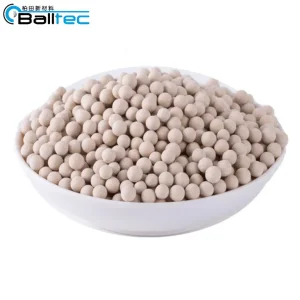
Engineered 4Å desiccant beads formulated for deep water purification and gas drying units.
View Details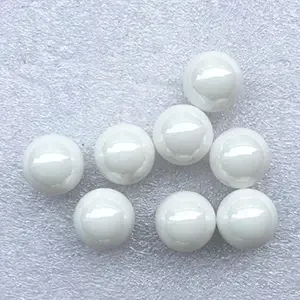
Yttria-stabilized zirconia media for sub-micron milling and slurry homogenization in HCMC plants.
View Details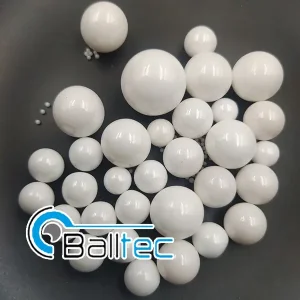
High-density milling beads engineered for zero-contamination ceramic glaze processing.
View Details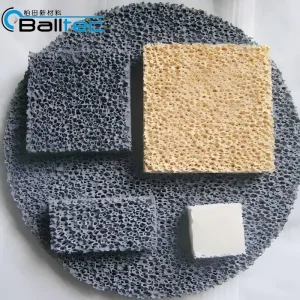
Thermal-shock resistant porous zirconia filters for molten metal purification in foundries.
View Details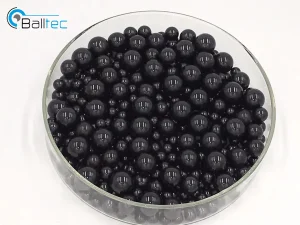
G3/G5 precision silicon nitride and zirconia balls for automated robotics and machinery joints.
View Details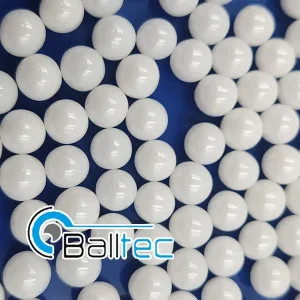
Ultra-wear-resistant ZrO₂ grinding spheres for continuous high-speed industrial bead mills.
View Details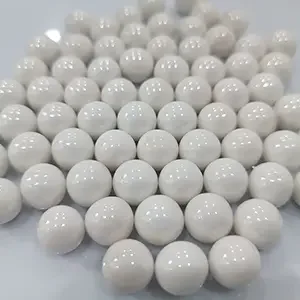
Sub-micron zirconia micro-beads tailored for battery material and pigment dispersion.
View Details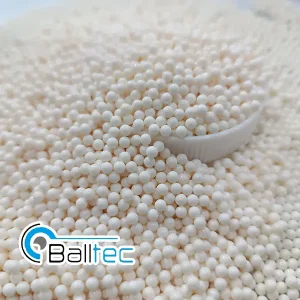
99.99% high-purity corrosion-resistant alumina spheres for chemical catalyst support and ball milling.
View DetailsSeeking technical datasheets, tailored pore-size formulations, or container-load freight quotes for Ho Chi Minh City industrial projects? Contact our chemical application engineers today.