Follow 


Integrate engineered ceramic dielectric layers, precise sphere adsorbents, and robust circuit media engineered for extreme thermal, mechanical, and electrical environments.

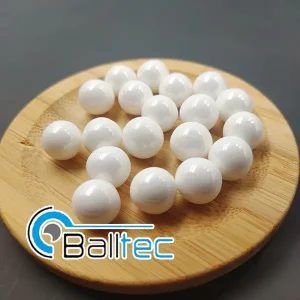
As the digital economy accelerates through artificial intelligence, automotive electrification, and high-frequency communication infrastructures, the global market for electrical circuits, printed circuit board (PCB) assemblies, and high-power ceramic dielectric substrates is experiencing unprecedented structural growth. China has evolved from a volume electronics assembler into an advanced, integrated manufacturing ecosystem capable of delivering high-density interconnect (HDI) boards, active metal brazed (AMB) ceramic circuits, flexible printed circuits (FPC), and ultra-high-density micro-electronics.
Modern electronic systems demand operating tolerances that stretch traditional organic FR-4 substrates to their physical limits. High-voltage power modules in electric vehicles (EVs), server power delivery units (PDUs), radar transceivers, and industrial automation drivers require circuit architectures capable of handling severe thermal dissipation, high switching frequencies, and extreme mechanical vibration. Premium Chinese exporters utilize automated direct copper bonding (DBC), sub-micron laser microvia drilling, automated optical inspection (AOI), and total quality management (TQM) compliant with IPC Class 3, ISO/IATF 16949, and AS9100D standards.
Selecting the appropriate dielectric layer and conductor profile is pivotal to guaranteeing operational longevity, minimal signal attenuation, and thermal stability in modern electrical circuits. Below is a comprehensive engineering breakdown of contemporary circuit substrate technologies manufactured in China for global OEM export.
Designed for high-power semiconductor modules (IGBTs, SiC MOSFETs). Utilizing high-purity Al₂O₃ or AlN ceramic plates bonded with pure copper foil at high temperatures, DBC circuits offer unmatched thermal dissipation and electrical isolation up to 5kV+.
Utilizing Silicon Nitride (Si₃N₄) ceramics brazed with heavy copper layers. AMB circuits possess incredible fracture toughness (>6.5 MPa·m¹/²) and thermal shock resistance, making them ideal for high-stress automotive traction inverters.
Featuring microvia structures, blind/buried vias, and fine-line trace geometries down to 30μm line/space. Optimized for high-speed AI computing, mobile transceivers, and complex FPGA processing units.
Polyimide-based dynamic flex and rigid-flex circuits engineered for space-constrained aerospace instruments, medical wearables, and military-grade avionics requiring continuous 3D flexing without fatigue failure.
| Substrate Type | Thermal Conductivity (W/m·K) | CTE (ppm/K) | Dielectric Breakdown (kV/mm) | Primary Application Field |
|---|---|---|---|---|
| Standard FR-4 (High Tg) | 0.3 – 0.5 | 14 – 17 | 18 – 22 | General Consumer Electronics, Industrial Controls |
| Aluminum Core Insulated Metal Substrate (IMS) | 1.0 – 8.0 | 18 – 24 | 30 – 40 | High-Power LED Lighting, Automotive Lighting |
| Alumina DBC (96% Al₂O₃) | 24 – 28 | 6.8 | >20 | Industrial Motor Drives, Power Supplies |
| Aluminum Nitride DBC (AlN) | 170 – 220 | 4.5 | >15 | RF Microwave Amplifiers, Concentrated Solar PV |
| Silicon Nitride AMB (Si₃N₄) | 80 – 90 | 3.0 | >25 | EV Traction Inverters, Aerospace Power Electronics |
The international electrical circuit landscape is undergoing a paradigm shift driven by decarbonization, electrification, and autonomous digital networks. China’s electrical manufacturing sector has invested billions into automated smart factories, digital twin process monitoring, and high-purity raw material refinement.
Silicon Carbide (SiC) and Gallium Nitride (GaN) semiconductors operate at higher voltages, frequencies, and temperatures than traditional silicon. This requires low-inductance circuit layout strategies and high-heat-dissipation ceramic carriers capable of handling junction temperatures exceeding 200°C.
Next-generation wireless networks demand circuit boards built on PTFE, hydrocarbon ceramic laminates, and low-temperature co-fired ceramics (LTCC). These materials maintain ultra-stable dielectric constants (Dk < 3.0) and dissipation factors (Df < 0.0015) up to 100 GHz.
Global regulations (RoHS 3, REACH, halogen-free directives) demand lead-free surface mounts, non-toxic flux formulations, and closed-loop water filtration system implementations across Chinese fabrication facilities.
Chinese electrical circuit exporters customize manufacturing processes to meet regional compliance standards, thermal ambient conditions, and sector-specific operational specifications worldwide.
Focusing on heavy-layer copper PCBs (up to 14 oz copper), high-speed computing backplanes, and Class 3 medical devices. Compliance with UL 94V-0, IPC-A-610 standards, and strict supply chain traceability.
Dominating supply lines for automotive 800V powertrain inverters, battery management systems (BMS), solar microinverters, and wind turbine pitch control circuitry certified under IATF 16949.
Providing cost-optimized, highly durable circuit solutions for high-speed railway signaling, smart energy meters, 5G base station remote radio units (RRU), and seawater desalination automation controllers.
Partnering with a premier Chinese exporter provides global OEMs with a complete turnkey ecosystem. Beyond bare-board fabrication, advanced facilities offer fully integrated Surface Mount Technology (SMT), automated component sourcing, custom tooling, and rigorous functional testing.
Engineers perform comprehensive Design for Manufacturability and Design for Assembly audits before production, identifying thermal bottlenecking, pad stack mismatches, and trace routing vulnerabilities to maximize yield.
100% Flying Probe Electrical Testing, Automated Optical Inspection (AOI), 3D X-Ray Inspection (AXI) for BGA solder joints, Ionic Contamination Testing, and Thermal Stress Shock Cycling.
Customized VMI (Vendor Managed Inventory) solutions, consolidated sea/air freight routing, custom moisture-barrier anti-static packaging, and duty-optimized export clearance protocols.
In-depth technical answers for procurement directors, component engineers, and hardware design managers.
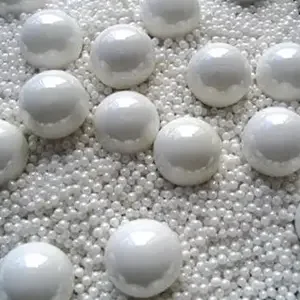
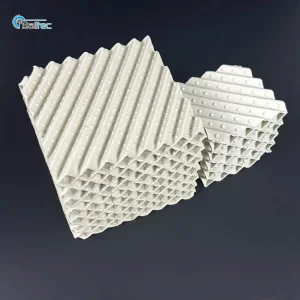
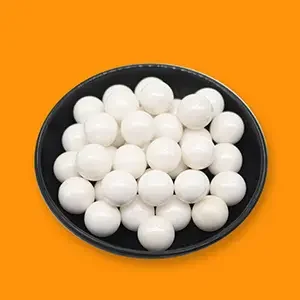
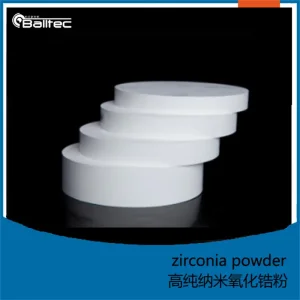
Explore high-density alumina milling spheres, zirconium oxide media, structure tower packings, and specialized dental powders designed for industrial manufacturing and circuit processing.