Follow 


High-durability microcrystalline grinding media, ceramic bearing balls, and high-purity zirconia formulations engineered for low wear rate and maximum kinetic dispersion.
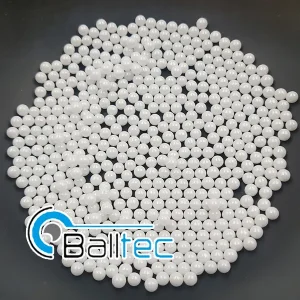
China ZrO2 Bead for Grinding Professional Polishing and Grinding Operations Suppliers, Exporter
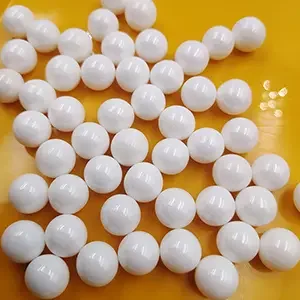
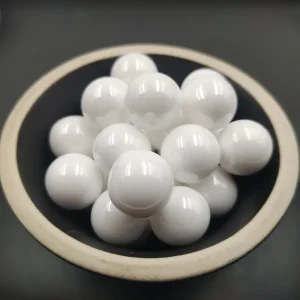
Wholesale Bio-Inert Ceramic Ball for Medical Device Components Suppliers, Exporter
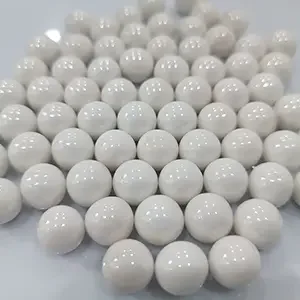
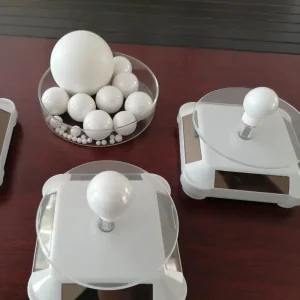
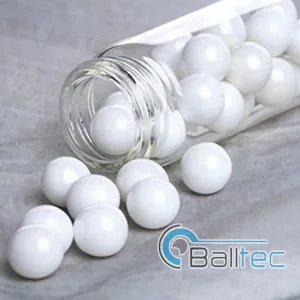
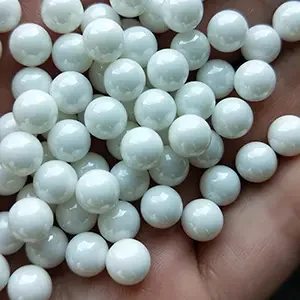
China Zirconia Ball for Grinding Durable Long Lasting Grinding Media Use Supplier, Factories
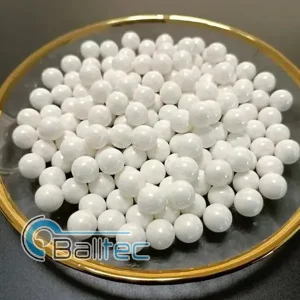
China Mini Ceramic Bearing Ball for Electronic Device Micro-Bearings Supplier, Factories
As global industries transition toward zero-carbon energy vectors, ultra-pure chemical feedstocks, and high-efficiency gas purification, synthetic zeolite molecular sieves have emerged as critical process components in multi-billion dollar industrial supply chains.
Global LNG liquefaction plants mandate dew points below -100°C (-148°F) to prevent pipeline freezing and cryogenic blockages. Enterprise procurement demands high-crush-strength 3A and 4A molecular sieves capable of continuous Thermal Swing Adsorption (TSA) under high cyclic pressure without fluidization attrition.
In steam cracking and ethylene/propylene fractionation, water and oxygenate contamination poison downstream catalysts. Specialized 3A zeolite adsorbents selectively exclude larger hydrocarbon molecules while removing water down to sub-ppm levels, maximizing olefin selectivity and reactor yield.
The rapid expansion of Pressure Swing Adsorption (PSA) and Vacuum Pressure Swing Adsorption (VPSA) systems in medical oxygen generation and metallurgical processing relies heavily on LiX and 5A molecular sieves featuring high N2/O2 kinetic selectivity and superior equilibrium capacity.
Synthetic molecular sieves are crystalline aluminosilicates possessing three-dimensional interconnecting networks of silica and alumina tetrahedra ($SiO_4$ and $AlO_4$). Precision cation exchange determines structural pore diameters.
| Zeolite Type | Cation Exchange | Nominal Pore Diameter | Bulk Density (g/ml) | Primary Industrial Applications |
|---|---|---|---|---|
| Molecular Sieve 3A | Potassium ($K^+$) | ~3 Å (0.3 nm) | 0.60 – 0.68 | Ethylene, propylene, cracked gas drying, ethanol dehydration, insulated glass units. |
| Molecular Sieve 4A | Sodium ($Na^+$) | ~4 Å (0.4 nm) | 0.62 – 0.70 | Closed gas drying, refrigerant dehydration, static desiccation in packaging, air compressor drying. |
| Molecular Sieve 5A | Calcium ($Ca^{2+}$) | ~5 Å (0.5 nm) | 0.63 – 0.72 | PSA oxygen generation, normal/iso-paraffin separation, H2S & CO2 sweetening from natural gas. |
| Molecular Sieve 13X | Sodium ($Na^+$ Type X) | ~10 Å (1.0 nm) | 0.61 – 0.69 | Air separation unit pre-purification (H2O + CO2 removal), catalyst carrier, mercaptan removal. |
Tailored desiccant and separation solutions deployed across high-stress processing plants, petrochemical complexes, and green-technology infrastructure worldwide.
Before air can be liquified and distilled into pure nitrogen, oxygen, and argon, trace carbon dioxide and moisture must be removed to non-detectable levels to prevent freeze-out inside primary heat exchangers. Our specialized 13X-APG molecular sieves feature high static CO2 capacity and superior dynamic adsorption kinetics, extending vessel online times and reducing thermal regeneration energy demands by up to 14%.
Standard distillation can only concentrate ethanol to its azeotropic limit (~95.6% ABV). To produce fuel-grade anhydrous ethanol (>99.9%), molecular sieve vapor-phase dehydration beds packed with high-selectivity 3A zeolite adsorbents extract water vapor without co-adsorbing ethanol, operating continuously under intense pressure swing conditions.
As green and blue hydrogen production scales globally, steam methane reforming (SMR) and electrolyzer off-gasses require multi-bed PSA systems. Utilizing custom multi-layer beds combining 5A and 13X molecular sieves with activated alumina allows high-recovery production of 99.999% ultra-pure fuel-cell grade hydrogen gas.
Dual-pane and triple-pane architectural glass units incorporate 3A molecular sieve beads inside spacer bars. By selectively adsorbing water vapor while excluding nitrogen and argon, our low-dust 3A beads prevent window fogging and structural distortion caused by seasonal expansion and contraction.
Decarbonization imperatives and advanced manufacturing trends are driving next-generation zeolite synthesis, nano-engineered crystal structures, and automated adsorption bed modeling.
Traditional microporous zeolites suffer from mass-transfer diffusion limitations in ultra-fast PSA cycles. R&D pathways focus on introducing intercrystalline mesopores into 13X and 5A frameworks, dramatically increasing mass transfer coefficients and reducing required bed sizes by up to 30%.
Custom-functionalized amine-grafted zeolite sieves are under development to capture CO2 directly from ambient air under low partial pressures, offering low regeneration temperatures (<90°C) compatible with industrial waste heat sources.
Next-generation binder formulations integrate thermal-conductive micro-particles directly into extruded pellets, enabling uniform heat distribution during TSA desorptive steps and reducing operational energy consumption per metric ton of gas processed.
Pingxiang Baitian (Ball-tec) New Materials Co., Ltd. integrates research and development, raw material synthesis, precision molding, and high-temperature sintering across a unified 100,000 m² industrial campus.
Founded by technical experts with years of experience at leading Japanese and U.S. ceramic companies alongside senior domestic process engineers, our Pingxiang facility manufactures high-purity microcrystalline grinding media, ceramic tower packing, structural ceramics, and molecular sieves under rigorous international standards.
Our operations comply with fully audited quality, environmental, and occupational safety management systems: ISO 9001, ISO 14001, and ISO 18001 (ISO 45001). Every production batch undergoes comprehensive testing for crush strength, static adsorption capacity, bulk density, and attrition loss prior to shipment.
Ensuring seamless compliance for enterprise procurement teams across Europe, North America, the Middle East, and Asia-Pacific.
Every shipment is accompanied by a Certificate of Analysis (CoA) documenting core metrics: water adsorption capacity at 10% and 80% RH, crush strength (N/particle), bulk density, attrition rate, and mesh size distribution matching strict customer specs.
Molecular sieves are hydro-reactively sensitive. We supply hermetically sealed 25 kg air-tight steel drums, heavy-duty moisture-proof aluminum foil bags, and 1000 kg super-sacks equipped with vapor barrier liners for long-term ocean transit and storage.
Fully compliant with REACH, RoHS, and international hazardous material regulations. Our engineering support team provides complete SDS documentation, vessel loading design, thermal desorbing profiles, and initial bed activation guidelines.
Detailed responses to common inquiries from chemical process engineers, plant operations directors, and global supply chain managers.
Recent engineering studies on powder synthesis, microstructural stabilization, and industrial ceramic performance optimization.
Most zirconia beads are composed of tetragonal zirconia polycrystal (TZP). Learn how powder preparation, forming methods, and high-temperature sintering profile determine phase stability, fracture toughness, and wear life in high-energy bead mills.
Powder spheroidization uses physical and chemical synthesis routes. We compare spray drying, roll forming, and dripping methods and analyze how each technique influences sphericity, internal micro-porosity, and overall milling economics.
High crush strength, thermal shock immunity, chemical inertness, and low water absorption render inert alumina ceramic balls the ideal bed support media for catalysts and guard beds in harsh refinery hydrocracking reactors.
Explore our extended spectrum of nanometer zirconia powders, ceramic foam filters, high-alumina media, and chemical tower packing solutions.
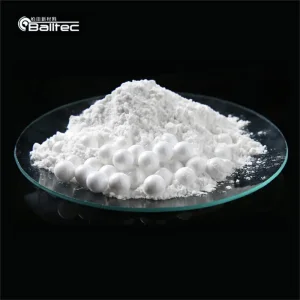
High-Quality Nanometer Zirconia Powder/ Monoclinic Zirconium Oxide Powder /ZrO₂ Factories, Exporter
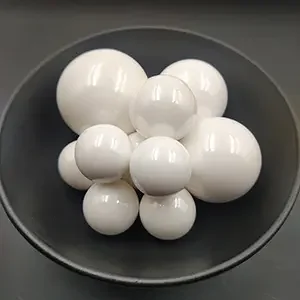
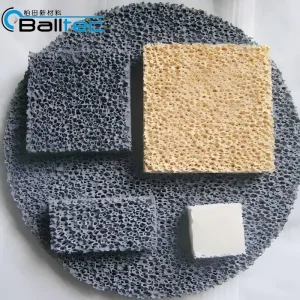
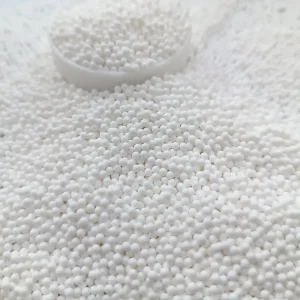
Wholesale Alumina Ball Alumina bead High Alumina ball Al2O3 Grinding Ball Supplier, Suppliers
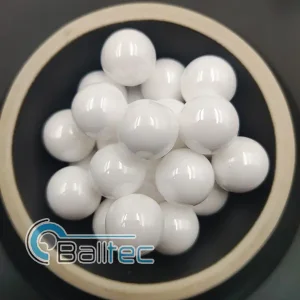
China Zirconia Bead for Grinding High Performance Precision Grinding Media Factory, Factories
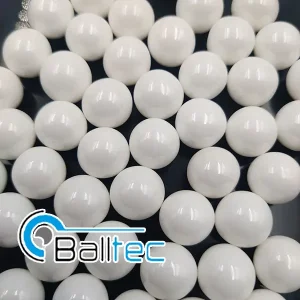
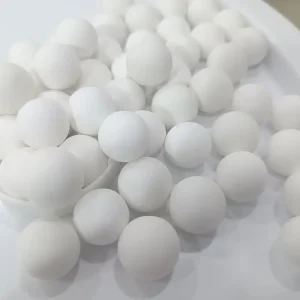
Wholesale Inert Ceramic Alumina Ball For Chemical Industry Manufacturers, Supplier