Follow 


| Item | Density | Coefficient | Elasticity Modulus | Poisson’s Ratio | Hardness (HV) | Hardness (HRC) | Bending Strength | Compressive Strength |
| Unit | g/cm3 | 10-6/k | Gpa | - | - | - | Mpa | Mpa |
| ZrO2 | 6.05 | 10.5 | 210 | 0.30 | 1200 | 70 | 300 | 2100 |
| Item | Fracture Toughness | Thermal Conductivity | Electrical Resistivity | Highest Temp | Acid and Alkali Corrosion resistance performance | Stress Cycles (50% failure probability) | ||
| Unit | Mpa·m1/2 | W/mk | Ω·mm2/m | ℃ | Strong | Times | ||
| ZrO2 | 10.0 | 2 | 1015 | 550 | 105 | |||
| Item | Dimensions stability | Centrifugal Force | Non-lubrication Friction | Magnetism | Rolling contact Fatigue Failure mode | |||
| Unit | - | - | - | - | - | |||
| ZrO2 | - | Larger | small | None | Crash | |||
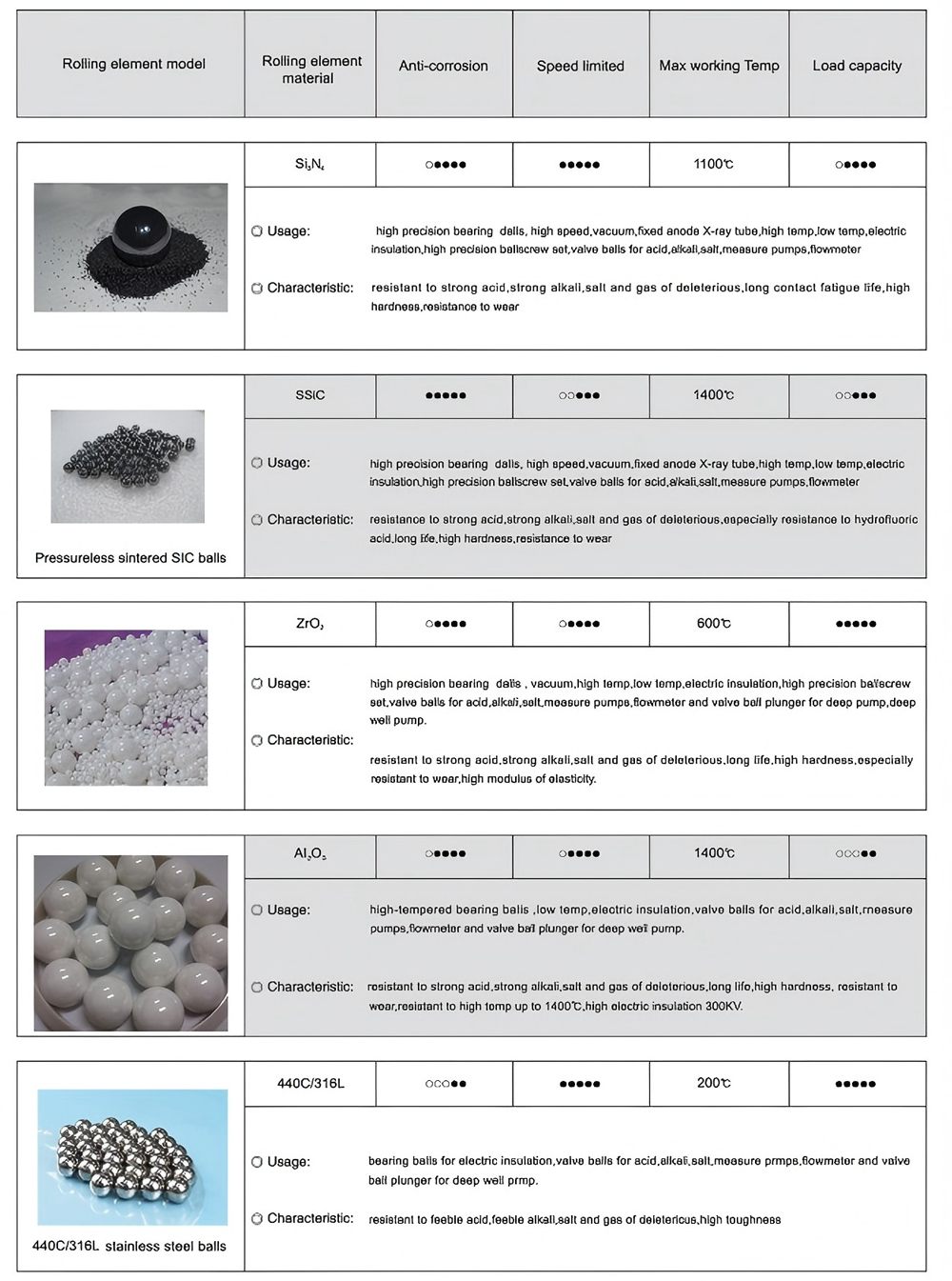
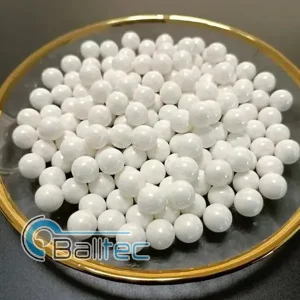
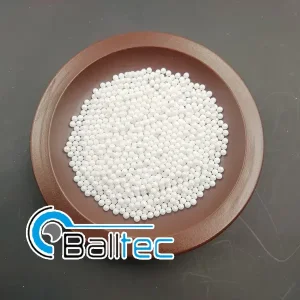
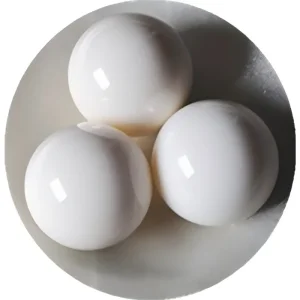
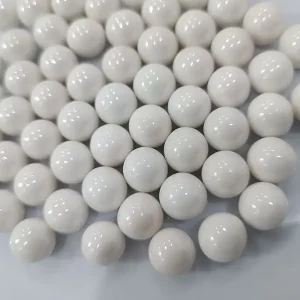
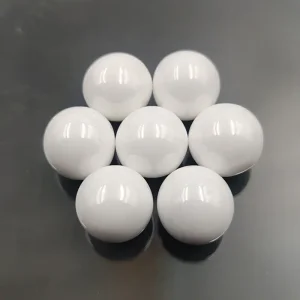
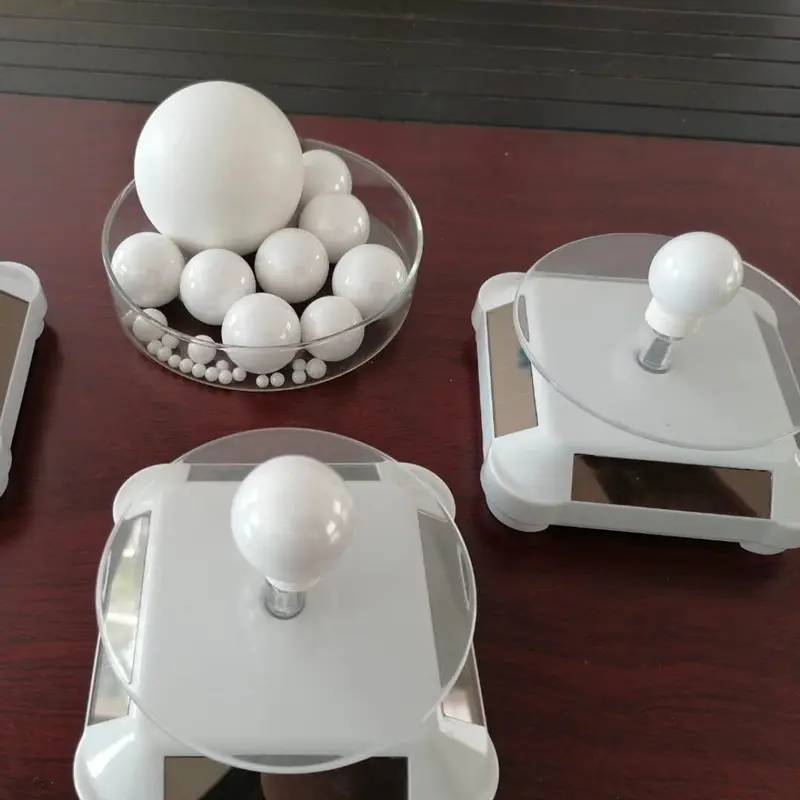
Zirconia ceramic bearing ball precision requirements are very high, at the same time with wear resistance, the excellent characteristics of small expansion coefficient, in all aspects better than steel ball, ceramic bearing beads most in the use of G10 accuracy, zirconia bearing wear resistance to improve the service life, in the need to often replace the bearing occasions, zirconia bearing is a good choice.
Zirconia ball is a compact ceramic ball, which has the following important physical and chemical properties:
The hardness of zirconia balls is close to that of steel, much higher than traditional glass, ceramics and other materials. Therefore, zirconia ball has good wear performance, wear resistance bioceramic materials, medical equipment, high temperature abrasive materials and other fields are widely used.
The compressive strength of zirconia balls is close to that of steel, and has good impact resistance. Therefore, zirconia balls can be used in high-load working environments such as high-pressure grinding fields, high-speed moving transmission parts, aerostatic bearings and mechanical seal parts.
The main component of the zirconia ball is zirconia, which does not contain iron. Therefore, zirconia balls are not easy to rust, good corrosion resistance, can be used in production fields such as catalysts, chemical reactors, and can also be used in Marine, chemical and other corrosive environment applications.
Zirconia balls have high temperature stability because their melting point is as high as 2700 ° C, making them able to withstand high temperature heat treatment. At the same time, zirconia balls can also maintain their excellent physical and chemical properties such as wear resistance, hardness and compressive strength at high temperatures.
Zirconia (ZrO2) ceramic balls feature a high density of 6.05 g/cm³, an elasticity modulus of 210 GPa, a hardness of 1200 HV (70 HRC), bending strength of 300 MPa, and compressive strength reaching 2100 MPa.
Zirconia balls offer high precision (most using G10 accuracy), small expansion coefficients, superior wear resistance, and longer service life. They are an optimal choice for applications where bearings require frequent replacement or operate under demanding conditions.
Zirconia ceramic balls have a highest operating temperature rating of 550°C, and their material melting point is as high as 2700°C. They retain their mechanical strength, wear resistance, and hardness even at elevated temperatures.
Because Zirconia ceramic balls contain no iron, they do not rust and exhibit strong resistance to both acid and alkali corrosion. This makes them ideal for marine environments, chemical reactors, and catalyst applications.
Due to their impressive compressive strength (2100 MPa) and impact resistance close to steel, Zirconia ceramic balls excel in high-load, dynamic environments such as high-pressure grinding, high-speed transmission parts, aerostatic bearings, and mechanical seals.