Follow 


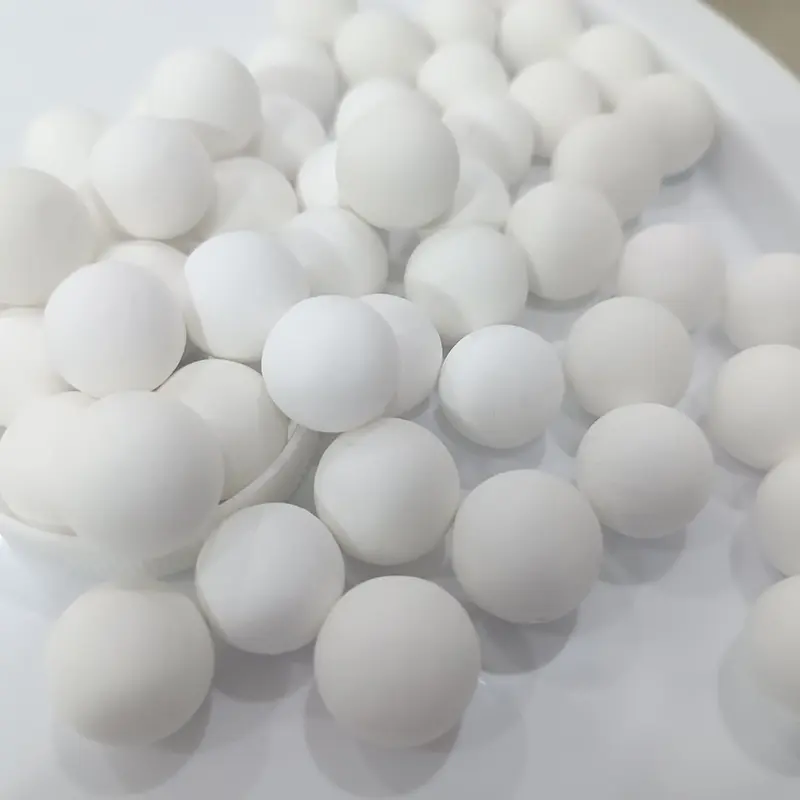
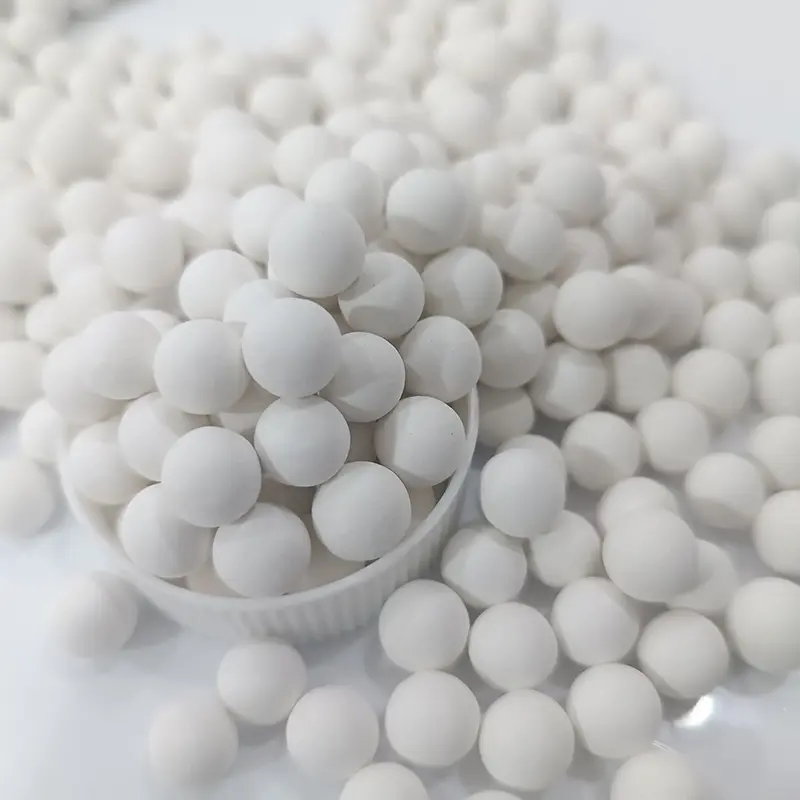
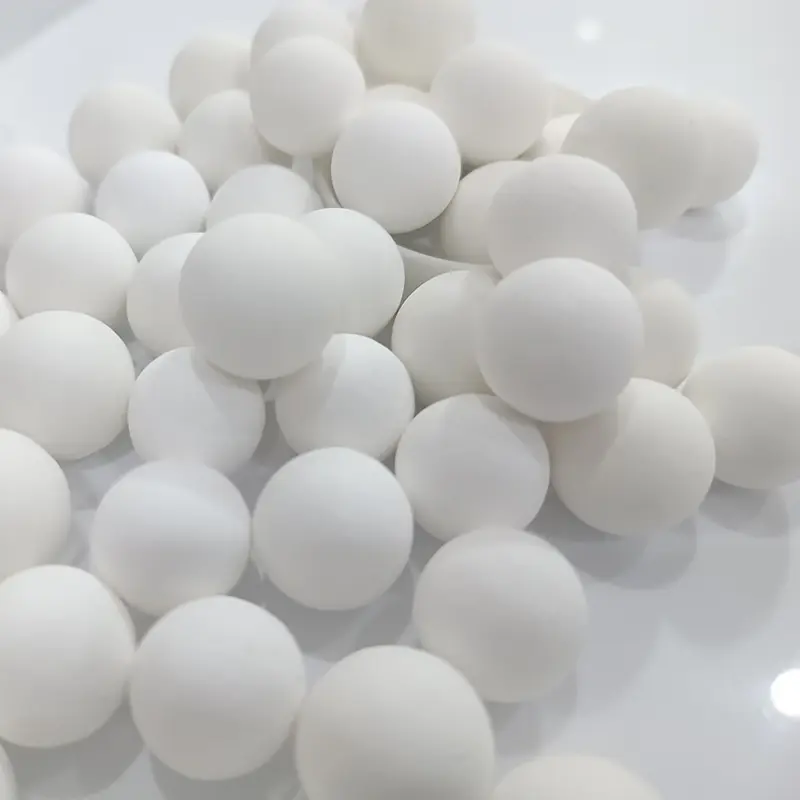
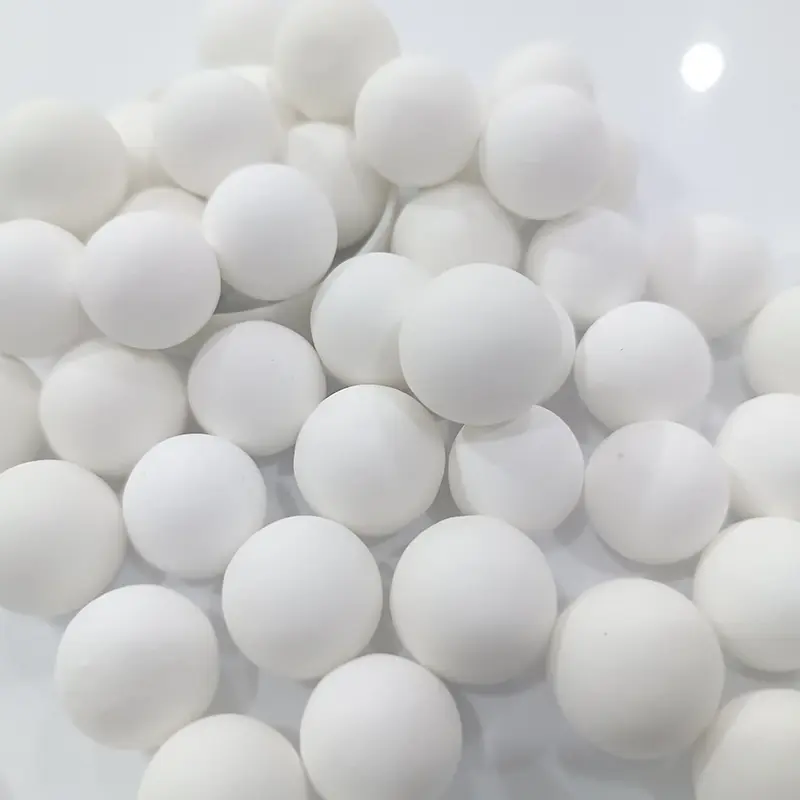
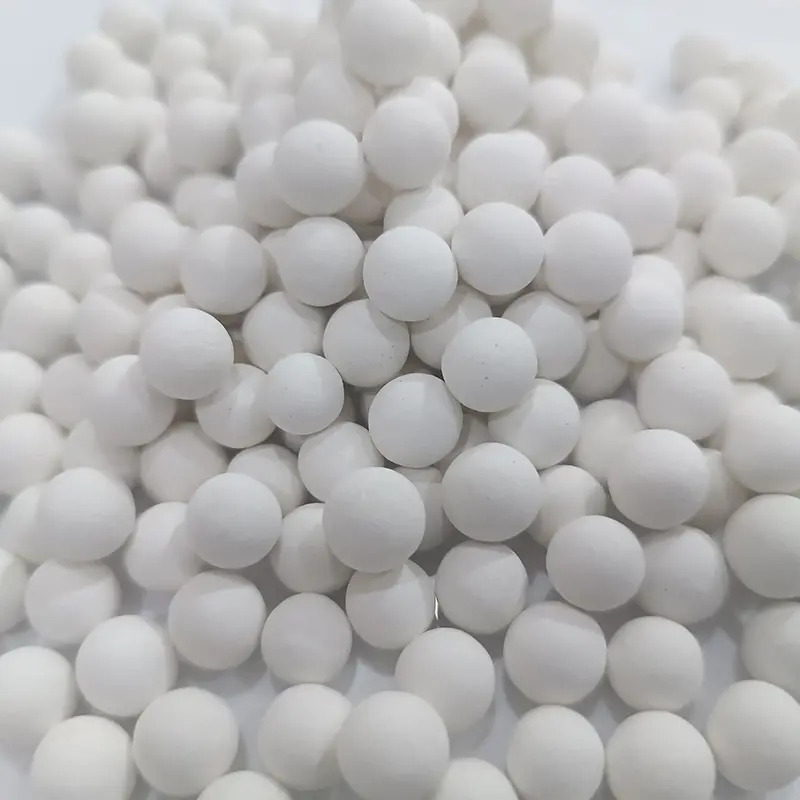
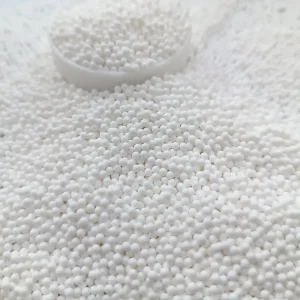
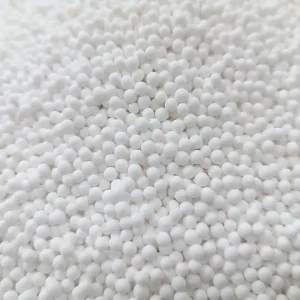
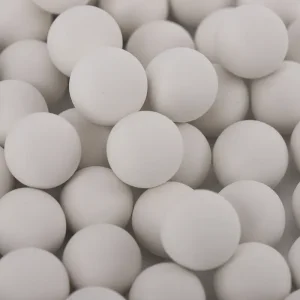
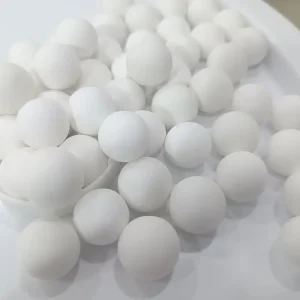
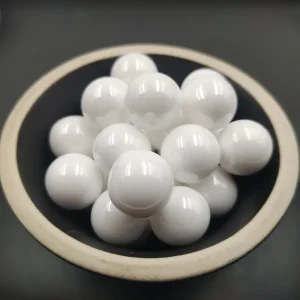
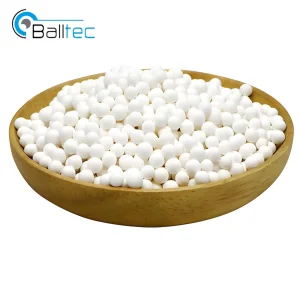
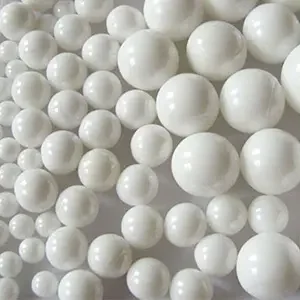
Inert ceramic balls used as covering and supporting materials of catalysts in reaction vessels and as packing in towers, are widely used in petroleum, chemical engineering, fertilizer production, natural gas and environmental protection.
Ceramic balls are widely used support media in the world because of their excellent consistence and reliability. Products to these specifications are manufactured from very high quality chemical-porcelain clay materials, which has quite excellent stability, high mechanical strength and resistance to thermal shock. This makes them all ideal choice for support of all types of catalyst.
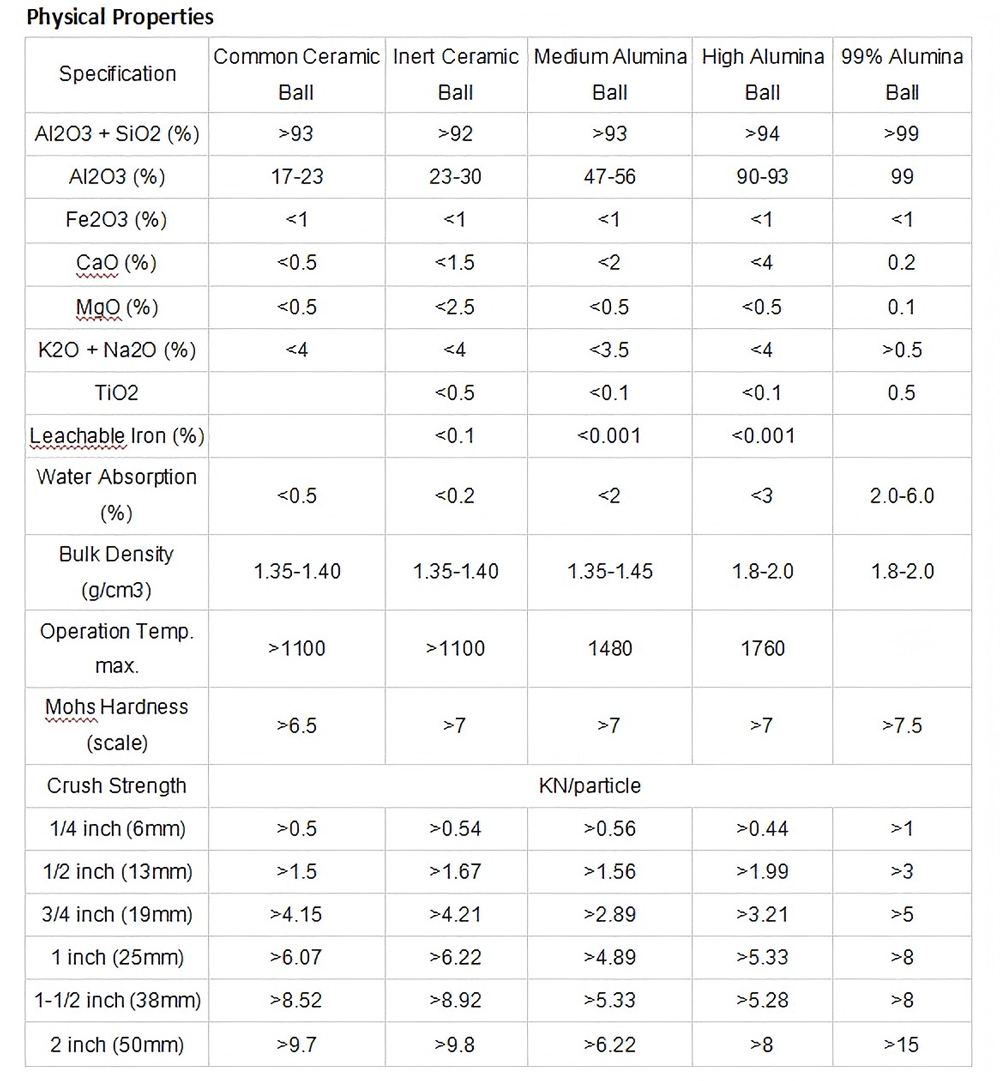
Inert Alumina Ceramic Balls are widely used as catalyst, absorbent, desiccant, and drying agent in petroleum, chemical, fertilizer, natural gas, and environmental protection industries. As a catalyst reactor coverage tower packing materials and support, the major role is to increase the distribution of gas or liquid, and to support and protect the intensity of low strength active catalysts.
Widely used in the chemical industry for gas and liquid catalytic reactions such as catalytic cracking, catalytic reforming, and catalytic hydrogenation. Also used for harmful gas adsorption, water treatment, and wastewater treatment.
Utilized as filler and support body in chemical process equipment like packed towers, reactors, and adsorption columns to increase reaction surface area and enhance mass transfer performance.
Extensively applied as a ball grinding medium in the mining and metallurgical industries to grind and subdivide various ores and metal powders, delivering efficient grinding and mixing results.
They serve as covering and support media for catalysts in reactors and column packing. Their main function is to distribute gas or liquid flow evenly while protecting underlying low-strength active catalysts from mechanical impact.
They are widely utilized across petroleum, chemical engineering, fertilizer production, natural gas processing, environmental protection, mining, and metallurgy industries.
They are called "inert" because they possess high chemical stability and do not chemically react with reactants, catalysts, or solvents within the vessel under typical operating conditions.
High-grade chemical-porcelain clay provides excellent chemical stability, high mechanical strength, and superior thermal shock resistance, ensuring reliable operation under severe temperature and chemical variations.
Standard packaging choices include 25kg plastic drums or 25kg bags, which allow for safe transportation and easy handling on-site.