Follow 


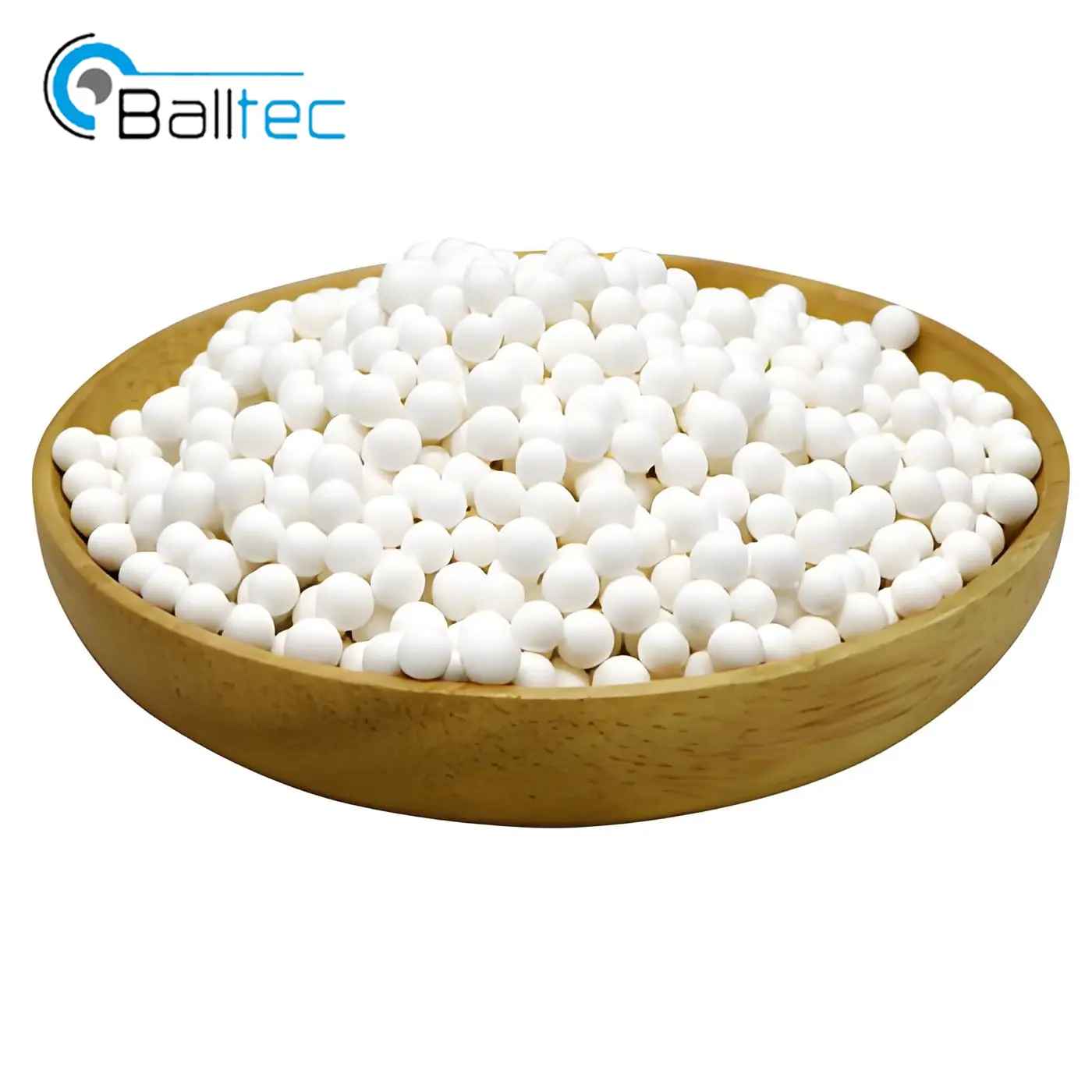
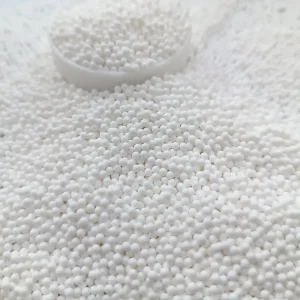
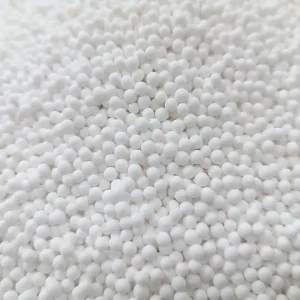
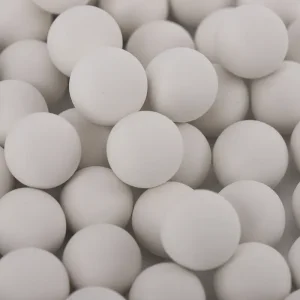
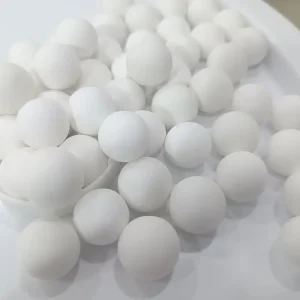
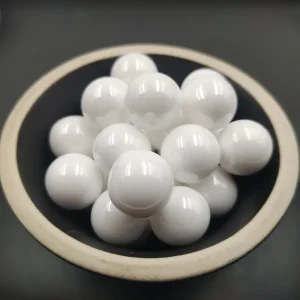
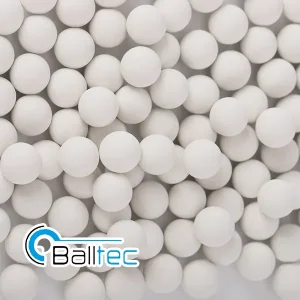
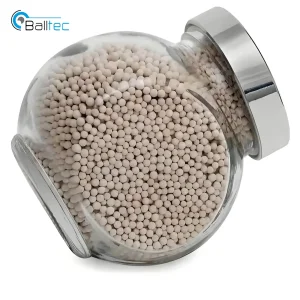
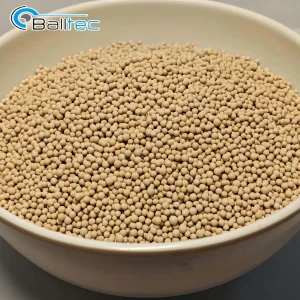
Inert alumina balls feature high strength, high chemical stability, low water absorption, and excellent thermal stability. They can resist high temperatures, high pressure, and corrosion from acids, alkalis, salts, and various organic solvents, while withstanding severe temperature changes encountered during production processes.
High crush strength & wear resistance
Resists acid, alkali, & salt corrosion
Operates continuously up to 1300°C
They are widely used in petroleum, chemical, fertilizer, natural gas, environmental protection, and other industries as catalyst support and covering media inside reactors. They buffer the impact of liquid and gas entering the reactor on the catalyst, support and protect active catalysts with relatively low strength, and significantly improve the distribution of liquid and gas within the reactor vessel.
Inert alumina balls have many names. According to their function, they are called packing balls or support balls; by chemical properties, they are known as inert ceramic balls; and by chemical composition, they are designated as alumina ceramic balls. Regardless of the designation, all utilize the key properties of inert alumina: high strength, high hardness, excellent wear resistance, exceptional heat resistance, and low chemical reactivity.
Inert alumina balls are manufactured with alumina powder as the main raw material and fired at high temperatures. Depending on the alumina content, they are classified into various material types, including feldspar type, feldspar-mullite type, mullite type, mullite-corundum type, and corundum type. Formulations can be adjusted to meet customer design requirements. Generally, industrial alumina is used for high-alumina balls, whereas chemical ceramic clay serves as the primary raw material for low-alumina balls.
| Item | Specification |
|---|---|
| Product Name | High Crush Strength Inert Alumina Ceramic Ball |
| Material | Alumina (Al₂O₃) + Auxiliary Materials |
| Al₂O₃ Content | 30% - 99% (Customizable) |
| Material Type | Feldspar, Feldspar-Mullite, Mullite, Mullite-Corundum, Corundum |
| Nominal Diameter | φ3mm, 5mm, 8mm, 10mm, 15mm, 20mm, 25mm, 30mm (Customizable) |
| Crush Strength (Single Ball) | ≥ 1000 N (φ10mm); ≥ 1500 N (φ15mm); ≥ 2000 N (φ20mm) |
| Bulk Density | 1.5 - 2.8 g/cm³ |
| Water Absorption | ≤ 0.5% |
| Max Operating Temperature | ≤ 1300 °C |
| Chemical Inertness | Inert to most acids, alkalis, salts and organic solvents (except HF) |
| Thermal Stability | Resistant to rapid temperature changes (no cracking) |
| Application | Catalyst support and covering media in reactors |
| Color | White, Gray (Customizable) |
They are primarily used in petroleum, chemical, fertilizer, natural gas, and environmental protection industries as catalyst support and covering media inside reactors. They help buffer fluids and gases, protect active catalysts, and optimize flow distribution.
Inert alumina ceramic balls possess high thermal stability and can withstand high temperatures up to 1300 °C without cracking or thermal degradation.
Depending on the Al₂O₃ content (ranging from 30% to 99%), they are categorized into feldspar type, feldspar-mullite, mullite, mullite-corundum, and corundum types to meet different operational environments.
Yes, they exhibit high chemical stability and are inert to most acids, alkalis, salts, and various organic solvents encountered in production environments (except hydrofluoric acid - HF).
Standard nominal diameters range from φ3mm up to φ30mm. Single ball crush strengths typically range from ≥ 1000 N for φ10mm up to ≥ 2000 N for φ20mm balls, customizable to project specifications.