Follow 


Engineered for extreme operating environments across Nigeria's fast-growing manufacturing and energy processing hubs.
Nigeria represents the largest economy in Africa, undergoing a massive industrial transformation driven by heavy infrastructure development, domestic processing mandates, and energy expansion. Industrial zones such as the Lagos-Ogun Industrial Corridor (Ikeja, Agbara), the oil and gas infrastructure in Port Harcourt and the Niger Delta, the mining/cement hubs in Ewekoro and Obajana, and automotive clusters in Nnewi are encountering severe operational challenges due to accelerated mechanical wear.
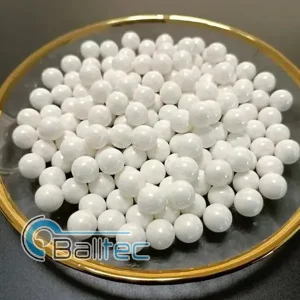
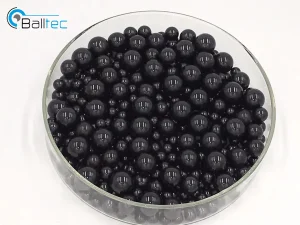
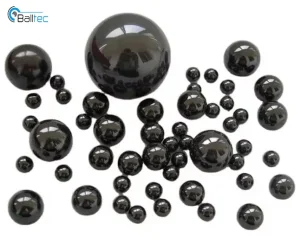
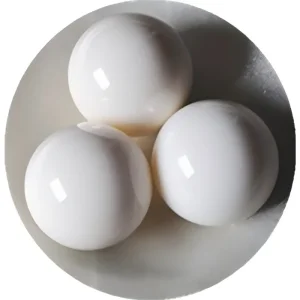
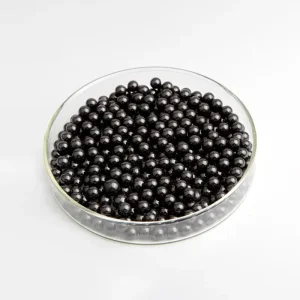
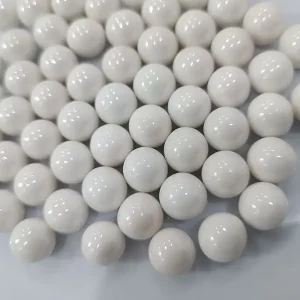
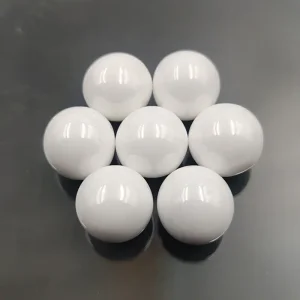
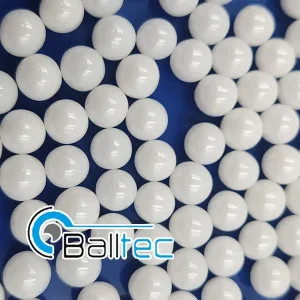
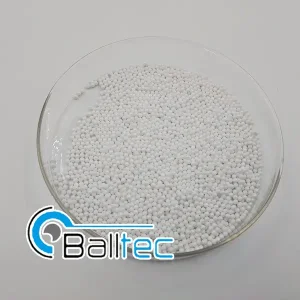
Traditional chrome steel and stainless steel bearings frequently fail in these regions. The combination of high ambient temperatures, humid marine atmospheres, corrosive chemical exposure, sand contamination, and grid power instabilities creates severe mechanical friction and micro-weld fatigue. Advanced ceramic bearing balls—specifically Silicon Nitride (Si3N4), Yttria-Stabilized Zirconia (YSZ / ZrO2), and High-Purity Alumina (Al2O3)—have emerged as indispensable structural components for Nigerian plant engineers seeking to minimize downtime and reduce Total Cost of Ownership (TCO).
Selecting the optimal ceramic bearing material requires a deep understanding of thermal, mechanical, and electrical properties. Below is a comprehensive material matrix developed by our senior metallurgical and ceramic engineers:
| Physical / Mechanical Property | Silicon Nitride (Si3N4) | Zirconia (ZrO2 - YSZ) | Alumina (Al2O3 - 99.5%) | Bearing Steel (100Cr6) |
|---|---|---|---|---|
| Density (g/cm³) | 3.25 | 6.05 | 3.92 | 7.85 |
| Vickers Hardness (HV10) | 1600 - 1750 | 1200 - 1350 | 1500 - 1650 | 700 - 800 |
| Thermal Expansion (10⁻⁶/K) | 3.2 | 10.3 | 8.0 | 12.5 |
| Fracture Toughness (MPa·m¹/²) | 6.0 - 7.5 | 9.0 - 12.0 | 4.0 - 5.0 | 20.0 |
| Electrical Resistivity (Ω·cm) | > 10¹⁴ (Insulator) | > 10¹² (Insulator) | > 10¹⁴ (Insulator) | 10⁻⁵ (Conductor) |
| Maximum Operating Temp (°C) | 1000 °C | 500 °C | 1400 °C | 150 °C |
As a global leader operating a 100,000 m² integrated production campus in Pingxiang, Jiangxi Province, China, Pingxiang Baitian (Ball-tec) New Materials Co., Ltd. bridged high-tier Japanese ceramic compounding technologies with Chinese industrial scale. For Nigerian importers, procurement officers, and engineering contractors, sourcing directly from our factory offers distinct competitive edges:
Si3N4 balls prevent galvanic corrosion and withstand acidic mud (H2S), seawater abrasion, and extreme hydraulic pressure in subsea pump valves.
Stray currents caused by Variable Frequency Drives destroy steel bearings via electrical arcing. Ceramic balls act as total electrical barriers.
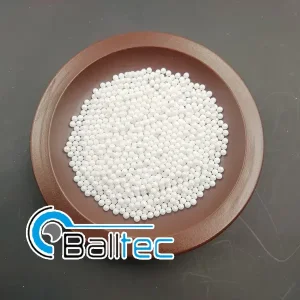
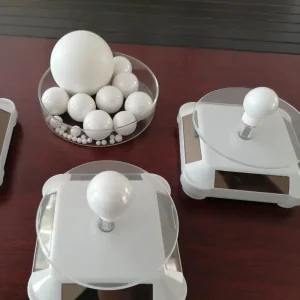
Alumina and Zirconia balls do not rust, eliminate lubricant contamination, and withstand caustic washdowns in cassava, palm oil, and beverage lines.
Different industrial clusters across Nigeria demand tailored material formulations. Our engineering team routinely assists local technicians in specifying the ideal precision ceramic sphere:
In high-speed centrifugal pumps, hydrocrackers, and control valves, high fluid turbulence combined with corrosive compounds (sulfur, naphthenic acids) rapidly degrades traditional alloy balls. Hybrid ceramic bearings utilizing Silicon Nitride (Si3N4) balls with stainless steel cages provide friction reduction by up to 80%, extending maintenance intervals from months to years.
Heavy crushing equipment, vertical roller mills, and slurry pumps operate under heavy impact and high particulate abrasive wear. Yttria-Stabilized Zirconia (ZrO2) balls, featuring ultra-high fracture toughness (up to 12 MPa·m¹/²) and high density (6.05 g/cm³), offer unprecedented wear resistance in grinding and bearing assemblies handling limestone, granite, and mineral sands.
Ultra-fine particle dispersion requires contamination-free grinding and micro-bearing movement. High-Purity Alumina (Al2O3) ceramic balls resist acid/alkali exposure, providing zero color pollution or heavy metal leaching into water-based paints, agricultural chemicals, and cosmetics.
The global ceramic bearing ball market is accelerating toward hybrid and full-ceramic solutions, driven by electrification, green energy, and high-speed automation. Key trends reshaping procurement include:
Technical guidance from our engineering team to ensure seamless purchasing, compliance, and installation.
Direct factory supply for distributors, OEM manufacturers, and industrial plant procurement managers in West Africa.
Contact our technical engineering team for custom sizing, material selection, wholesale factory pricing, and expedited shipping solutions to West Africa.
Send Inquiry Now