Follow 


| Element | Na | K | Si | Fe | Mg | Ca | Cr |
| Content (ppm) | 8 | 4 | 10 | 8 | 3 | 3 | 2 |
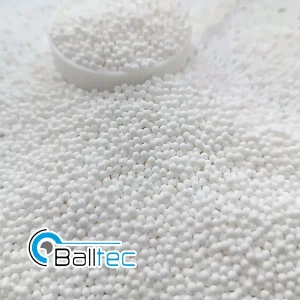
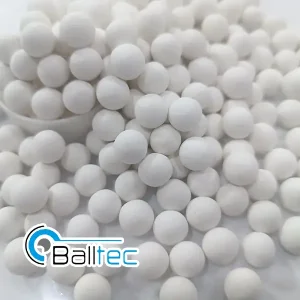
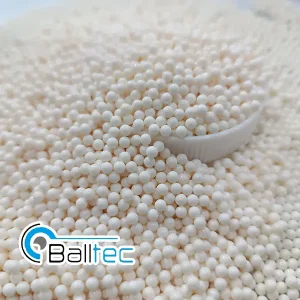
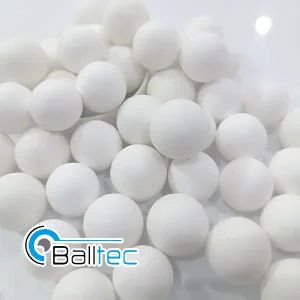
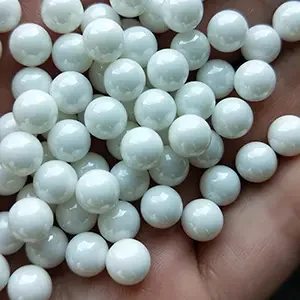
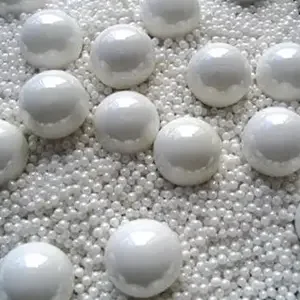
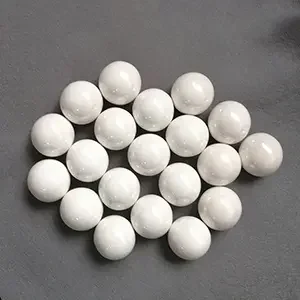
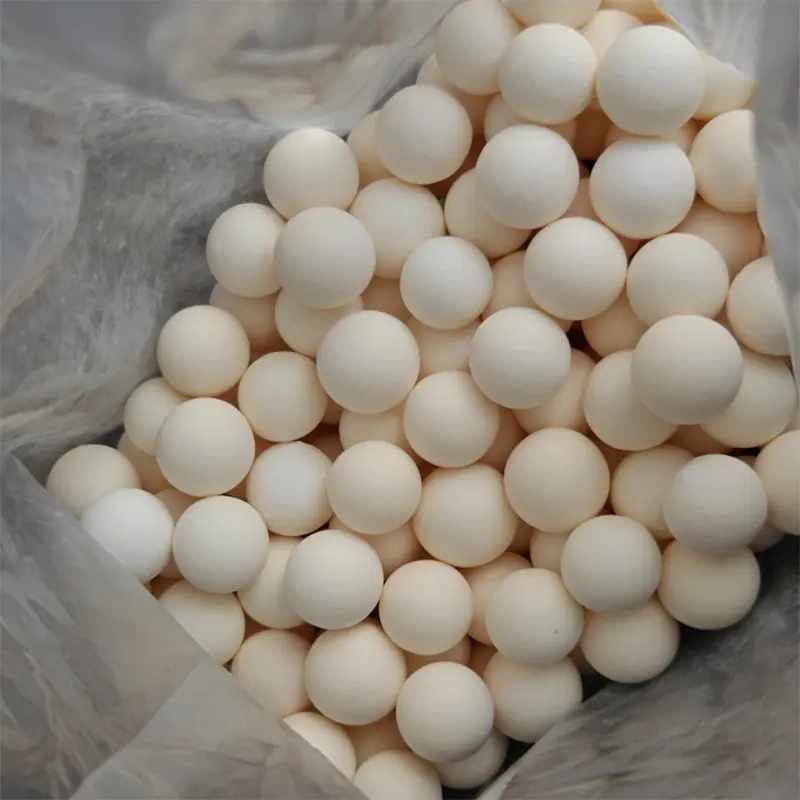
As a kind of high performance ceramic material, alumina ceramic ball has been widely used in industrial field. The choice of its forming method plays a crucial role in the performance, appearance and production efficiency of the product. The following will discuss in detail the four main forming methods of alumina ceramic balls: dry isostatic pressing, extrusion forming, pellet forming and hydraulic hard die forming.
Due to its excellent hardness and wear resistance, high purity alumina balls are often used as grinding media for precision polishing and grinding of various materials, such as glass, metals, semiconductors, etc. In semiconductor manufacturing, they are used to make wafers and surface treatments for chips.
The alumina ceramic balls feature high purity with extremely low trace element contents (e.g., Na: 8ppm, K: 4ppm, Si: 10ppm, Fe: 8ppm) analyzed via ICP technology, ensuring minimal contamination during processing.
They are widely used in MLCC electronic materials, lithium battery electrode materials, electronic ceramics, sapphire/transparent ceramics, precision quartz sand grinding, as well as pharmaceutical and nano-material applications.
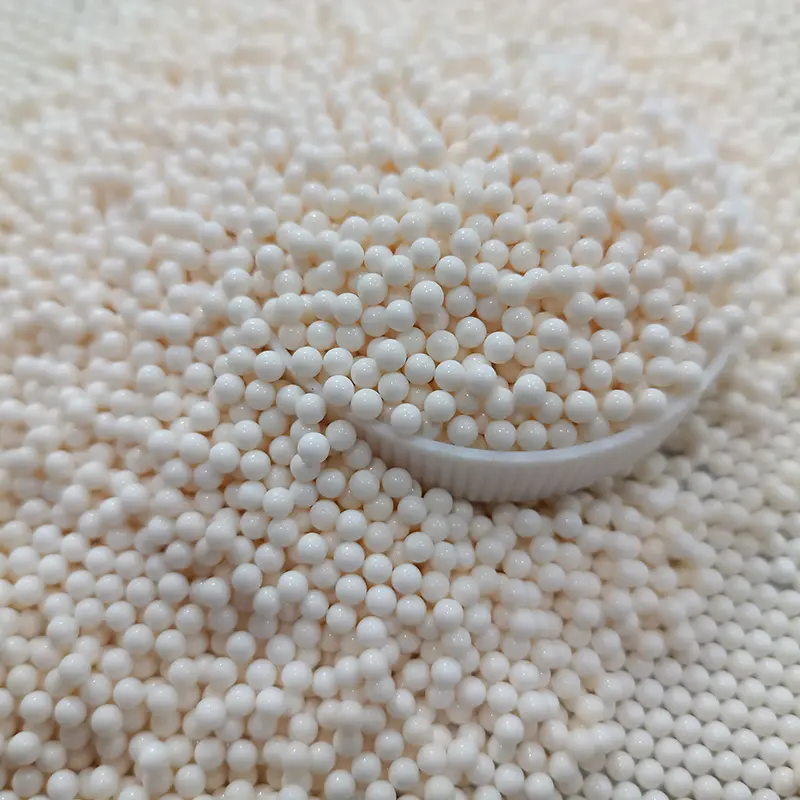
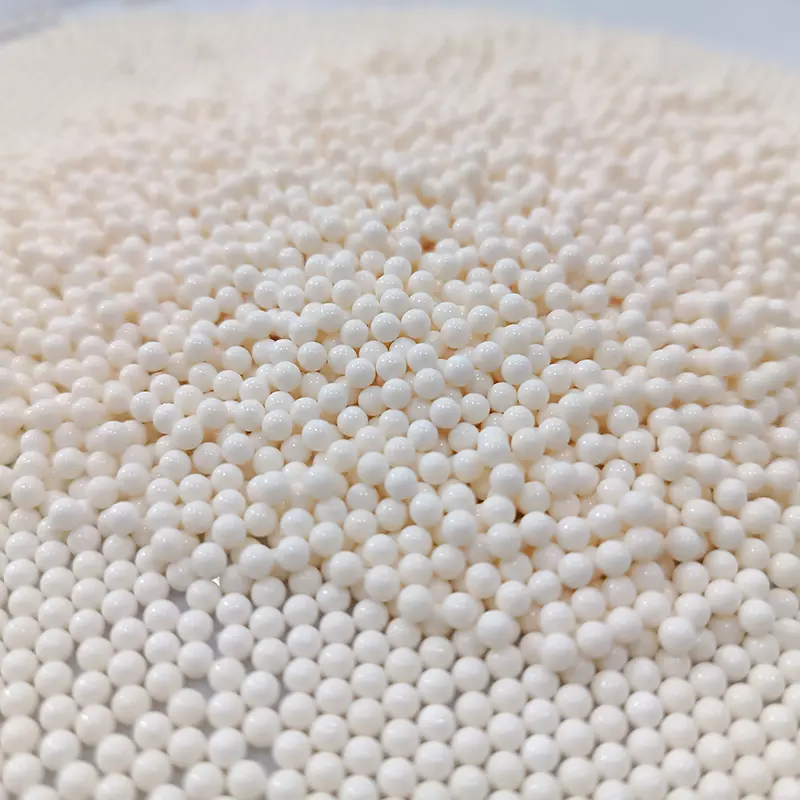
Standard sizes range from φ0.1mm up to φ30mm (including φ0.2mm, φ0.3mm, φ0.4mm, φ0.5mm, etc.), and they are typically packaged in 25kg Plastic Drums.
Due to their high hardness (Hv 1100) and wear resistance, they serve as precision grinding media for wafer fabrication and chip surface treatment in semiconductor manufacturing.
The main forming methods include dry isostatic pressing, extrusion forming, pellet forming, and hydraulic hard die forming, each chosen based on performance, appearance, and efficiency requirements.