Follow 


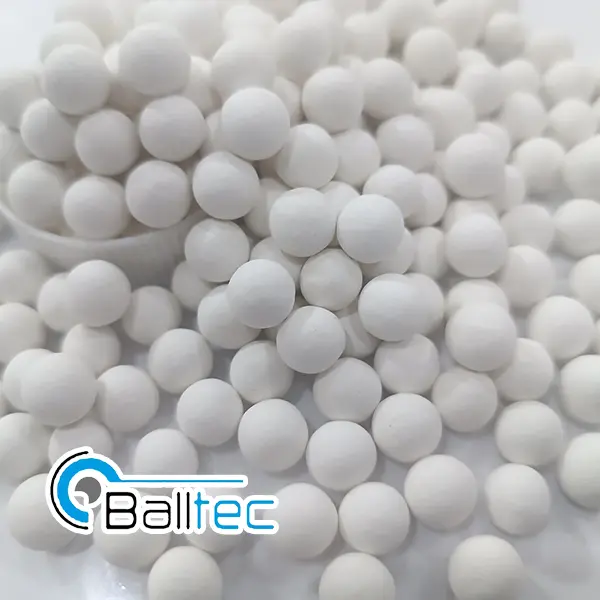
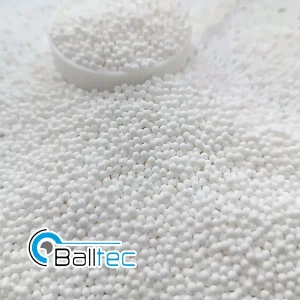
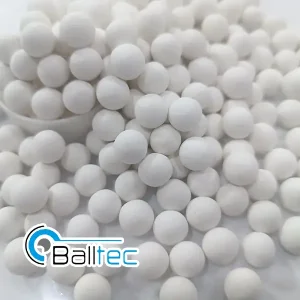
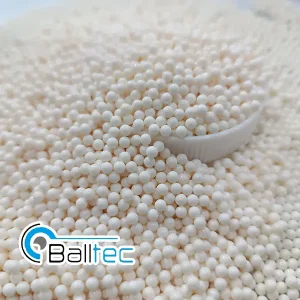
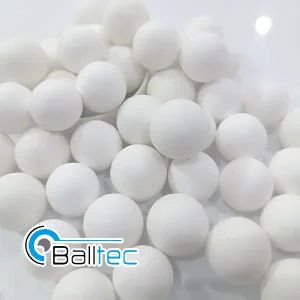
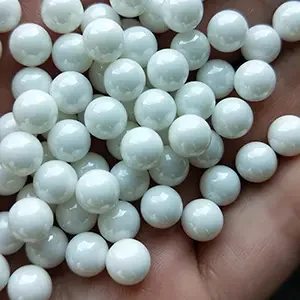
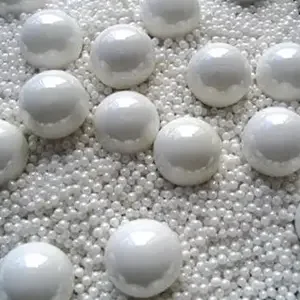
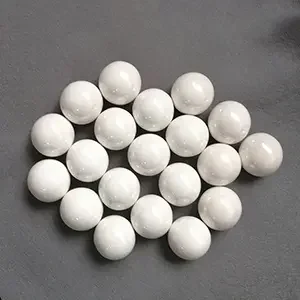
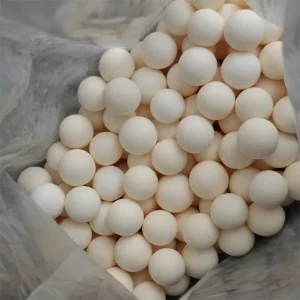
Alumina grinding balls, also known as wear-resistant ceramic balls, ceramic balls, porcelain balls, corundum balls, grinding balls, high-alumina balls, and microcrystalline alumina balls, are manufactured using premium high-quality alumina powder mixed with bauxite and roller bar powder as raw materials.
They undergo rigorous processing stages—including batching, grinding, powder making, forming, drying, and calcination—metaphorically passing through "eighty-one trials" to achieve superior durability. Mainly utilized as grinding media, they are available in a comprehensive range of specifications with diameters spanning from 0.5mm to 80mm, offering versatile options for diverse industrial needs.
Alumina grinding balls are primarily applied inside ball mills. The operation process follows a precise mechanical workflow:
When the ball mill starts, the motor and reducer transmit torque to the large and small gears, causing the cylinder to rotate. Materials are fed into the cylinder from the feeding end via a feeder. As rotation accelerates, the cylinder carries both the alumina grinding balls and the processing materials upward and around inside. The materials are efficiently crushed through the combined action of grinding friction and the heavy throwing force of the alumina grinding balls. Once the desired particle size is attained, the processed materials are discharged through the outlet end.
| Parameter | 95% Alumina Beads | 99% Alumina Beads |
| Material Purity | 95% Al₂O₃, Fe₂O₃ ≤0.03% | 99% Al₂O₃, Fe₂O₃ ≤0.02% |
| Density | 3.6–3.7 g/cm³ | 3.8–3.9 g/cm³ |
| Hardness (Vickers) | ≥1000 HV | ≥1200 HV |
| Fracture Toughness | 3.5–4.0 MPa·m¹/² | 4.0–4.5 MPa·m¹/² |
| Wear Rate | ≤0.005%/1000 hours | ≤0.003%/1000 hours |
| Diameter Range | 0.5–20 mm | 0.3–15 mm |
| Sphericity | ≤0.01 mm | ≤0.005 mm |
| Surface Roughness (Ra) | ≤0.08 μm | ≤0.05 μm |
| Max Operating Temperature | 1200°C | 1600°C |
| Chemical Resistance | Resistant to organic solvents, pigments, and binders | Highly resistant to all ink components, including aggressive solvents |
They are produced using high-quality alumina powder as the primary raw material, blended with bauxite and roller bar powder before undergoing forming, drying, and high-temperature calcination.
Alumina grinding balls are available in wide specifications ranging from 0.5mm up to 80mm in diameter, with specific ranges such as 0.5–20mm for 95% purity beads and 0.3–15mm for 99% purity beads.
As the ball mill cylinder rotates, it carries the grinding balls and raw materials upward. The materials are crushed and ground down to the target size by the combined impact and friction generated by the rolling ceramic media.
99% alumina beads feature higher purity (≥99% Al₂O₃), higher density (3.8–3.9 g/cm³), increased hardness (≥1200 HV), lower wear rates, and superior chemical and thermal resistance compared to 95% alumina beads.
95% alumina beads can withstand operating temperatures up to 1200°C, while high-purity 99% alumina beads can handle extreme temperatures up to 1600°C.
Yes, 95% alumina beads resist organic solvents, pigments, and binders, while 99% alumina beads offer high resistance to virtually all ink components and highly aggressive solvents.