Follow 


Used for crushing and dispersing alumina powder, electronic components, piezoelectric crystals, and semiconductor materials.
Serves as a coating material for lithium batteries, enhancing heat resistance and insulation properties.
Utilized for optical lens polishing, catalyst carriers, and high temperature charge applications.
Acts as a grinding medium for pigments and inks to enhance overall wear resistance and dispersion.
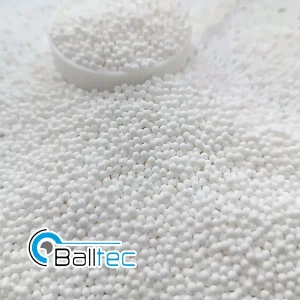
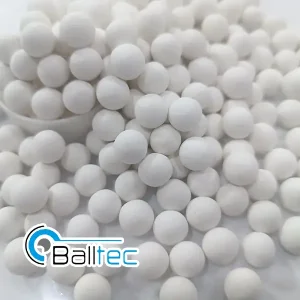
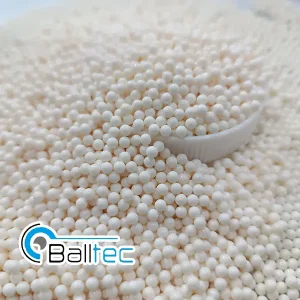
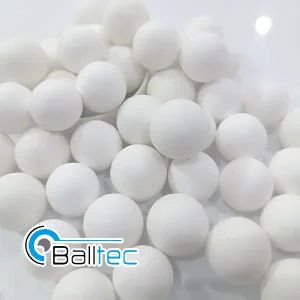
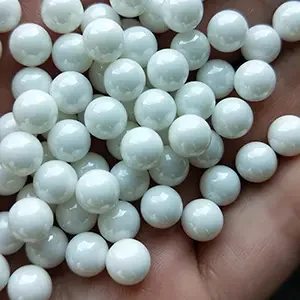
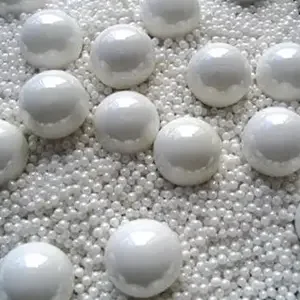
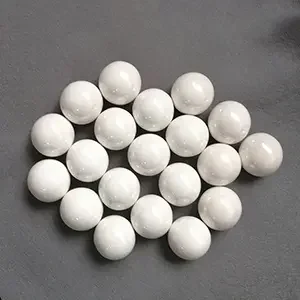
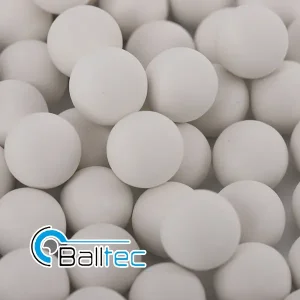
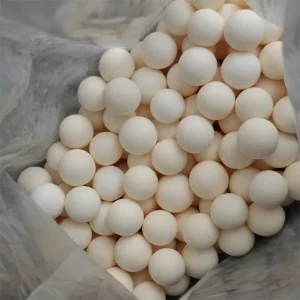
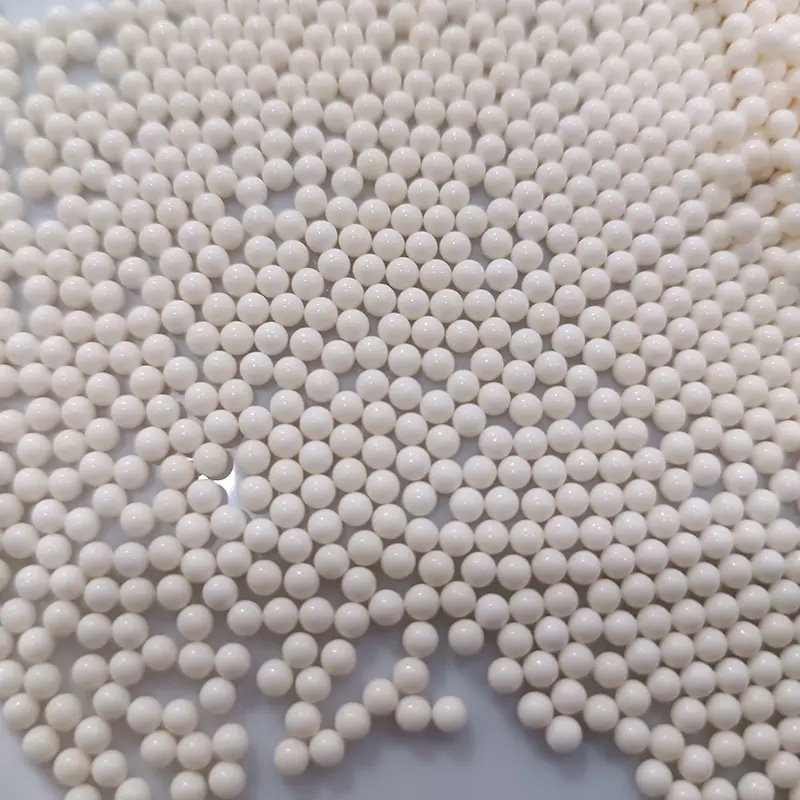
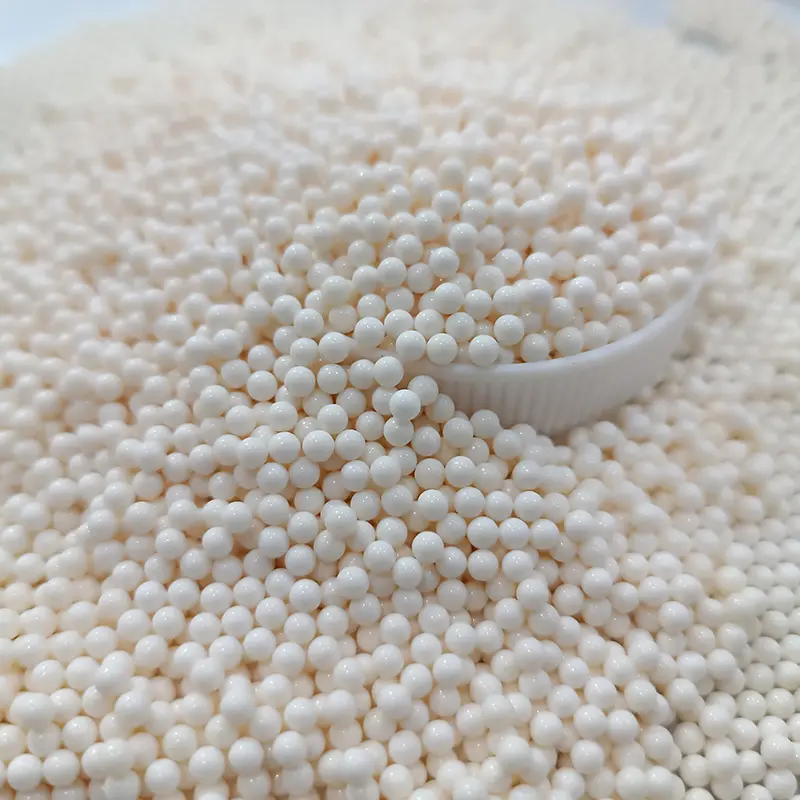
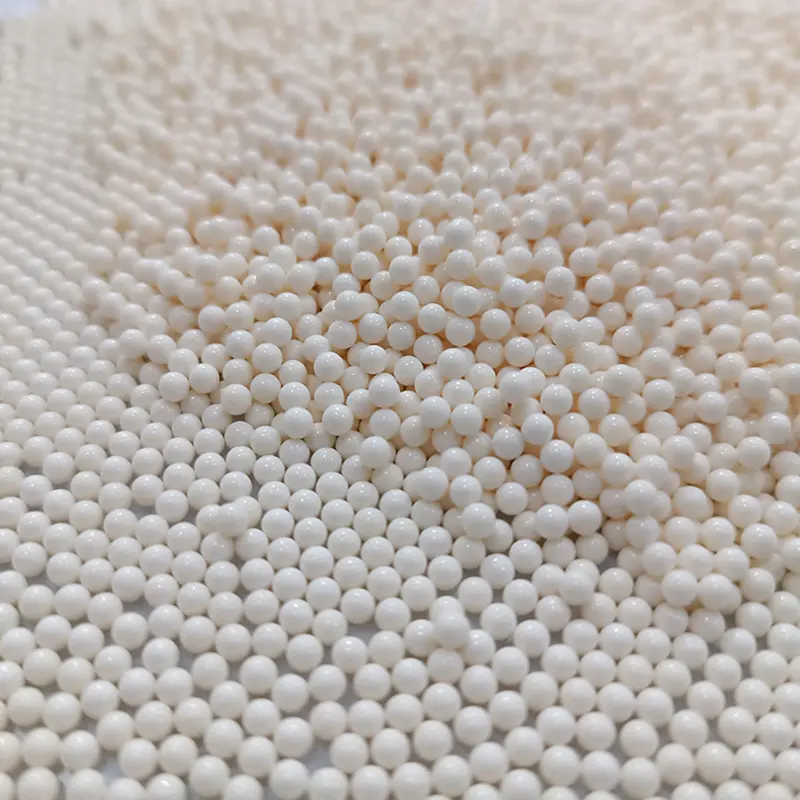
Alumina grinding balls feature a uniform and fine α-alumina crystal structure offering higher wear resistance and a longer service life compared to zirconia beads, with a lower density (2/3 of zirconia) that helps reduce operational energy consumption.
They offer excellent high-temperature resistance, operating stably in environments up to 200℃ or more, along with strong acid and alkali corrosion resistance.
They are widely used in fine ceramics, electronic materials, lithium batteries and new energy, optics and catalysts, as well as high-end coatings and chemicals.
They are compatible with dry/wet ball mills, vibration grinders, stirring grinding tanks, and other precision grinding equipment.
For wet grinding, slurry concentration should be controlled below 60%, with a recommended operating speed of 7.8–12.6 m/s and a tank filling volume of around 2/3.
Common sizes range from 0.1–0.5mm for fine processing to 5–25mm for conventional grinding. Selection should depend on your specific equipment requirements and material characteristics.