Follow 


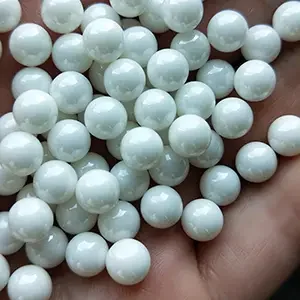
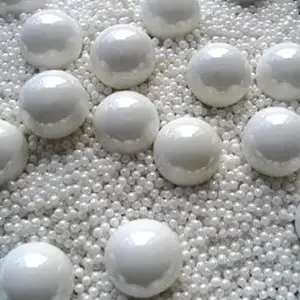
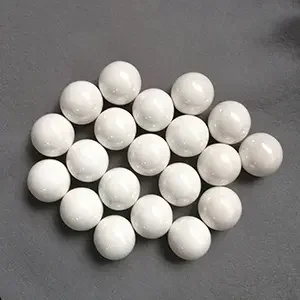
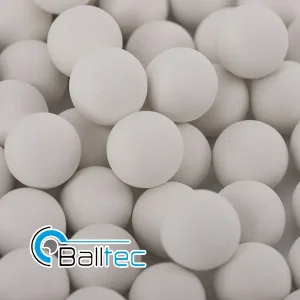
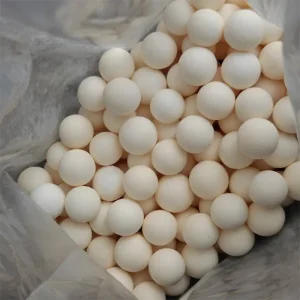
Specialized grades optimized for high kinetic energy transfer, zero silica leach, and prolonged wear resilience across horizontal bead mills and heavy continuous ball mills.
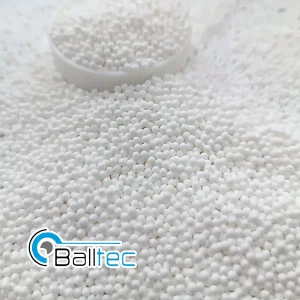
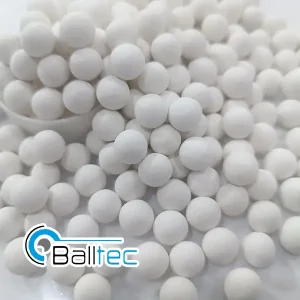
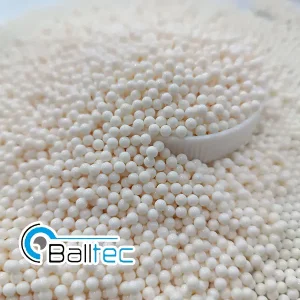
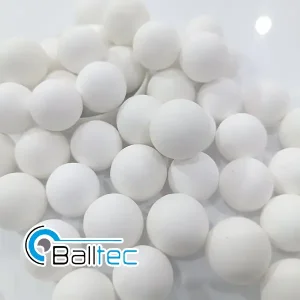
The Wilaya of Algiers, serving as the commercial capital and macroeconomic gateway to the People's Democratic Republic of Algeria, stands in the midst of a historic transformation driven by the government's import-substitution directives and accelerated industrial diversification. Over the past decade, national initiatives targeting self-sufficiency in construction materials, petrochemical downstream derivatives, architectural surface coatings, and domestic pharmaceutical manufacturing have driven unprecedented capital investments into advanced comminution infrastructure across Northern Algeria.
Historically dependent on importing finished ceramic glazes, industrial paints, and specialized mineral slurries from Southern Europe—particularly Spain and Italy—industrial processors concentrated in the Rouiba-Reghaïa Industrial Zone, Oued Smar, and the surrounding industrial belts stretching toward Blida, Tipaza, and Boumerdès now operate high-throughput processing plants requiring domestic raw material micronization. Simultaneously, the broader Algerian ceramic manufacturing cluster centered around Bordj Bou Arréridj channels substantial procurement operations through Algiers port facilities, consuming thousands of metric tons of wear-resistant grinding media annually.
For plant directors, process engineers, and operations managers throughout Greater Algiers, the shift toward localized wet and dry milling operations has introduced stringent demands on grinding consumables. Wet-milled ceramic frits, engobes, micronized calcium carbonate (GCC/PCC) for regional paper and plastics, and architectural pigment slurries require milling media that combine extreme microstructural integrity with chemical inertness. Baitian New Materials provides high purity alumina (α-Al₂O₃) grinding beads, engineered in our 100,000 m² advanced ceramic production complex in Pingxiang, to mitigate the operational bottlenecks faced by North African industrial facilities: excessive media attrition, slurry discoloration, sieve plugging, and catastrophic media spalling under high shear.
Tailored mechanical and microstructural properties configured for specific processing environments across Algeria's foundational industries.
The Algerian ceramic tile and sanitaryware sectors (spanning Algiers, Bordj Bou Arréridj, and Batna) utilize continuous and batch ball mills for milling dense feldspar, silica quartz, zircon opacifiers, and glass frits. Baitian 92% and 95% Al₂O₃ beads ensure maximum grinding kinetics without introducing silica or iron impurities that cause chromatic deviation in bright-white glaze suspensions.
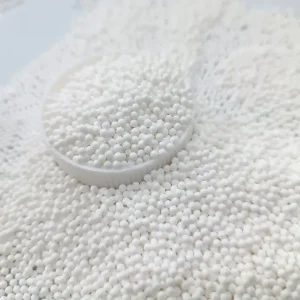
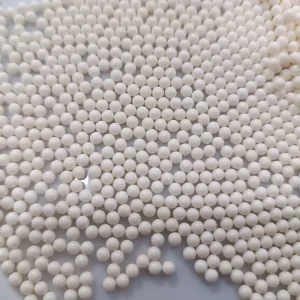
Producers of decorative architectural paints, protective marine primers, and automotive refinishes situated in the industrial zones of Rouiba, Oued Smar, and Dar El Beïda depend on high-speed horizontal bead mills. Our 0.4mm - 2.5mm high-purity micro-beads eliminate pigment flocculation, generating razor-sharp particle size distributions (D90 < 2μm) with zero mill-liner scouring.
Northern Algerian processing facilities refine domestic minerals including calcite, kaolin, and baryte for drilling fluids and architectural fillers. Baitian high-density alumina balls (3.65 - 3.98 g/cm³) deliver superior impact energy, reducing comminution cycles by 25% compared to natural flint pebbles while preventing slurry contamination.
With Algiers operating as the nerve center for state-backed pharmaceutical entities (e.g., Saidal) and global multinational joint ventures, high-purity (99.9% 4N) alumina media provide an indispensable contamination-free solution for wet-grinding suspensions, insoluble active ingredients, and enteric coating excipients.
Supporting Sonatrach refinery auxiliary plants and pesticide blending operations across Greater Algiers, our chemically inert media withstand sustained contact with polar solvents, aggressive acids, and alkaline suspensions at process temperatures reaching up to 120°C inside sealed bead mills.
Anticipating the technological shift toward local battery cell assembly and solar module component fabrication, Baitian 99.99% high-purity alumina grinding spheres guarantee zero iron contamination (<10 ppm Fe), meeting strict dielectric and electrochemical performance thresholds.
Comprehensive metallurgical and physical characteristics across our Al₂O₃ grinding bead and ceramic ball portfolio.
| Property Parameter | 92% Alumina Grade | 95% Alumina Grade | 99% High-Purity Grade | 99.9% (4N) Ultra-Pure |
|---|---|---|---|---|
| Al₂O₃ Content (%) | ≥ 92.0% | ≥ 95.0% | ≥ 99.2% | ≥ 99.90% |
| SiO₂ + Fe₂O₃ (%) | ≤ 5.5% / ≤ 0.25% | ≤ 3.0% / ≤ 0.15% | ≤ 0.3% / ≤ 0.03% | ≤ 0.05% / ≤ 0.005% |
| Bulk Density (g/cm³) | ≥ 3.60 | ≥ 3.68 | ≥ 3.88 | ≥ 3.96 |
| Mohs Hardness / Vickers (HV) | 9.0 / ~1100 | 9.0 / ~1250 | 9.0+ / ~1450 | 9.2 / ~1650 |
| Self-Wear Rate (Self-Attrition) | ≤ 0.015% / hr | ≤ 0.010% / hr | ≤ 0.005% / hr | ≤ 0.002% / hr |
| Water Absorption Rate (%) | ≤ 0.01% | ≤ 0.01% | ≤ 0.005% | 0.00% (Impermeable) |
| Crush Strength (Ø 10mm Sphere) | ≥ 5,500 N | ≥ 7,000 N | ≥ 9,500 N | ≥ 12,000 N |
| Standard Size Range | Ø 0.5mm – 60mm | Ø 0.5mm – 60mm | Ø 0.2mm – 30mm | Ø 0.1mm – 20mm |
| Primary Algiers Target Industry | Ceramic Wall Tiles | Porcelain Glaze Mills | Industrial Coatings | Pharma & Electronics |
The superior wear resistance of Baitian high-purity alumina grinding beads results directly from controlled powder synthesis and advanced thermal processing. Rather than using conventional coarse bauxite ores, Baitian utilizes high-purity calcined alpha-alumina powder characterized by sub-micron primary crystallite sizes (<0.8 μm). Formed via precision rolling granulation and cold isostatic pressing (CIP) under 200+ MPa hydraulic pressure, our green bodies demonstrate uniform packing densities free of microscopic voids or internal delaminations.
Sintering is executed within automated natural gas-fired tunnel kilns exceeding 1650°C, regulated by multi-zone PLC thermal controllers. This precise firing regime prevents anomalous grain growth (secondary recrystallization), yielding a dense, equiaxed alpha-alumina microcrystalline network. Consequently, when subjected to intense shear and hydrodynamic cavitation inside vertical or horizontal agitator mills in Algiers, Baitian media exhibit smooth micro-polishing rather than micro-spalling or catastrophic bead fracture, preserving downstream pump seals and separation screens.
Pingxiang Baitian (Ball-tec) New Materials Co., Ltd. operates at the center of Pingxiang, Jiangxi Province—internationally recognized as China's premier advanced industrial ceramic cluster. Covering an expansive 100,000 square meter integrated industrial campus, our manufacturing infrastructure consolidates every processing phase: from raw powder beneficiation, binder formulation, automated rolling, and cold isostatic pressing, to high-temperature sintering, precision grading, and batch-level quality qualification.
Founded by technical experts with decades of operational and metallurgical experience at premier advanced ceramic companies in Japan and the United States, Baitian blends international material formulations with Chinese scale, supply security, and rapid order fulfillment. For industrial importers in Algiers, this operational synergy yields substantial competitive advantages:
Complete control over alpha-alumina calcination guarantees unwavering raw material consistency, shielding our North African clients from third-party raw material shortages, price volatility, and chemical impurities.
Every single production batch undergoes automated laser sphericity scanning, load-cell crushing tests, and ICP-OES chemical analysis. Mill test certificates (MTC) and quality dossiers accompany every sea container.
Baitian delivers a 30% to 45% reduction in total cost of ownership (TCO) compared to European media imports, pairing longer service lives with lower initial procurement expenditures.
Importing industrial ceramics into Algeria requires exacting compliance with national trade laws, foreign exchange guidelines, and port clearance procedures. With extensive experience exporting bulk industrial shipments to North Africa, Baitian has developed streamlined logistics protocols configured specifically for Algerian institutional and commercial frameworks:
Full support for Algerian Ministry of Commerce quality verification. We supply all required legalizations, Certificate of Conformity (Certificat de Contrôle de Qualité des Marchandises), Certificate of Origin, and technical safety dossiers for swift customs inspection.
Our trade finance department operates in strict accordance with the Bank of Algeria's foreign exchange regulations, offering flexible payment frameworks via Confirmed Documentary Letters of Credit (Crédit Documentaire) and structured Remise Documentaire terms.
Regular containerized shipments depart from Shanghai, Ningbo, or Qingdao directly to the Port of Algiers (Port d'Alger), Port of Béjaïa, and Port of Oran. Standard transit times range from 18 to 24 days, with pre-cleared Bill of Lading (B/L) telex releases.
Heavy-Duty Ocean Freight Packaging: To prevent moisture absorption during maritime transit across the Mediterranean and prevent bag rupture during dockside handling in Algiers, our media is packaged in 25 kg multi-wall polyethylene-lined Kraft/PP composite sacks, securely grouped onto heat-treated, fumigated solid wood or composite pallets (1,000 kg or 1,200 kg net weight), protected by heavy UV-shrink hooding and reinforced polyester strapping.
Anticipating the technological progression of the Maghreb industrial grinding sector.
Industrial grinding in the Mediterranean basin is undergoing a paradigm shift from traditional coarse ball milling to high-energy micro-bead dispersion. In line with the Algerian government's environmental policies and energy optimization directives, Baitian has instituted a multi-year engineering roadmap centered on three core comminution innovations:
Developing Zirconia-Toughened Alumina (ZTA) micro-spheres that combine the economical density of alumina with the phase-transformation fracture toughness of ZrO₂. This hybrid formulation elevates impact fatigue resistance by 60%, targeting heavy mining extraction in eastern and southern Algeria.
Expanding the production of high-precision micro-spheres down to 0.05mm - 0.2mm for ultrafine wet nanotechnology, catering directly to future domestic production of active pharmaceutical ingredients (API) and thin-film functional electronics across North Africa.
Transitioning Pingxiang tunnel kilns to industrial hydrogen-enriched and biomass-hybrid heating systems, reducing the embodied carbon footprint of our ceramic beads by 35% to support international ESG procurement standards.
Direct technical answers addressing the operational concerns of Algerian plant engineers, production managers, and import directors.
Direct factory delivery to Algiers, Oran, and Béjaïa with full batch traceability and guaranteed compositional purity.
Whether you are replacing worn media in an existing ball mill line in Bordj Bou Arréridj or specifying micro-beads for high-speed horizontal mills in Rouiba, our application engineers provide complete charge calculations, wear-rate analyses, and CIF Port of Algiers quotations.