Follow 


Engineered raw materials, specialized substrates, and ultra-wear resistant ceramic components supporting global auto electrical assembly and manufacturing infrastructure.
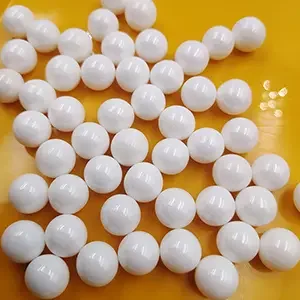
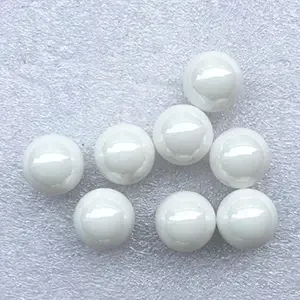
Analyzing global supply chain trends, voltage escalation (400V to 800V architectures), and the localized manufacturing dominance of Chinese Tier-1 and Tier-2 automotive electrical suppliers.
The global automotive industry is undergoing a paradigm transition unmatched since the invention of the assembly line. Driven by accelerated electric vehicle (EV) penetration, autonomous driving assistance systems (ADAS), and domain-centralized Electronic Control Unit (ECU) architectures, automotive electrical systems have evolved from peripheral support circuits into core structural components of modern vehicles. Global procurement teams—ranging from traditional Original Equipment Manufacturers (OEMs) to agile EV startups—are navigating severe supply chain restructurings, high thermal stress challenges, and microelectronic integration demands.
China has established itself as the world's primary hub for auto electrical parts manufacturing and specialized material engineering. Chinese suppliers maintain an integrated ecosystem offering unmatched speed-to-market, raw material independence, and automated manufacturing scalability. By combining localized manufacturing clusters with stringent IATF 16949 quality management protocols, Chinese manufacturers supply over 45% of global automotive wiring harnesses, high-voltage connectors, solid-state relays, and ceramic substrate insulating components.
Strategic procurement directors must evaluate vendors not merely on unit cost, but on holistic material performance, thermomechanical stability, and regulatory compliance (AEC-Q components). As vehicles transition toward Software-Defined Vehicles (SDVs), the demand for high-reliability electrical interconnects, high-frequency radar ceramics, battery management system (BMS) wiring harnesses, and ignition coils continues to surge exponentially.
Modularity, high energy density, and extreme environmental resilience across core automotive electrical domains.
High-voltage busbars, shielded cabling, and ceramic-insulated connectors designed to handle continuous current up to 600A and dielectric stresses reaching 1000V DC without thermal degradation.
Multi-layer printed circuit boards featuring micro-dispersion alumina filler substrates, ensuring rapid heat dissipation for high-compute ADAS chips and vehicle motion computers.
Hermetically sealed oxygen sensors, hall effect sensors, and millimeter-wave radar housings engineered with ultra-dense zirconia media for zero-porosity atmospheric isolation.
Heavy-duty ignition coils, copper wire windings, and starter solenoids built to endure 150,000+ thermal fatigue cycles (-40°C to +150°C) under high-vibration conditions.
Cell monitoring units, current shunts, and pyrofuses integrated with flame-retardant ceramic insulation sleeves to prevent thermal runaway propagation across lithium-ion battery packs.
Electric water pump motors, solenoid switches, and ceramic bearing balls ensuring maintenance-free dielectric circulation across inverter coolant loops.
Comparison of legacy internal combustion engine (ICE) electrical parameters against 800V Silicon Carbide (SiC) and autonomous vehicle requirements.
| Architecture Metric | Legacy ICE (12V System) | 48V Mild Hybrid (MHEV) | 800V EV Powertrain & ADAS (2026+) |
|---|---|---|---|
| Operating Voltage Range | 9V – 14.4V DC | 36V – 52V DC | 600V – 920V DC Continuous |
| Insulation Resistance | > 50 MΩ @ 500V | > 100 MΩ @ 1000V | > 2000 MΩ @ 2500V DC (Alumina/Si3N4) |
| Thermal Endurance Threshold | -40°C to +105°C | -40°C to +125°C | -55°C to +175°C (SiC Module Junctions) |
| Shielding & EMI Performance | Standard Braided Wire | Single Foil + Braided Shield | 360° Aluminum Shell + Ceramic Filter Media |
| Target Service Life (Cycles) | 100,000 Km / 10 Yrs | 150,000 Km / 10 Yrs | 500,000 Km / 15 Yrs (Zero Maintenance) |
| Core Substrate Material | FR-4 Epoxy Fiberglass | High-TG FR-4 / Aluminum Core | Direct Bonded Copper (DBC) Ceramic / Si3N4 |
As outlined in the technology matrix above, the automotive sector's shift toward Silicon Carbide (SiC) inverters demands extreme electrical insulation and thermal conductivity. Chinese component manufacturers lead this evolution by embedding advanced micro-ceramic insulators—such as magnesium-stabilized zirconia and ultra-pure alumina beads—into the production processing of high-frequency power modules and heat sinks.
Demonstrating E-E-A-T (Experience, Expertise, Authoritativeness, and Trustworthiness) through verified automotive manufacturing standards.
Every auto electrical unit and ceramic material process adheres strictly to IATF 16949 automotive quality management, mandating complete traceability from raw powder down to the finalized harness pin.
Electronic components and passive ceramic substrates pass comprehensive AEC-Q200 (passive) and AEC-Q101 (active) qualification, including temperature cycling, moisture resistance, and mechanical shock testing.
Full compliance with European Union hazardous material restrictions. Complete material disclosure via IMDS (International Material Data System) guarantees seamless global export customs clearance.
Advanced structural ceramics, tower packings, and specialty powders utilized across automotive chemical processing, battery refining, and component housing operations.
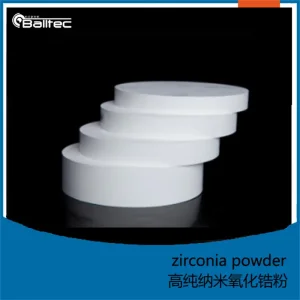
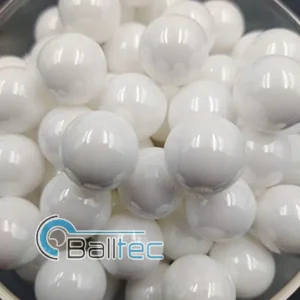
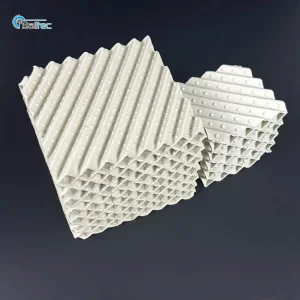
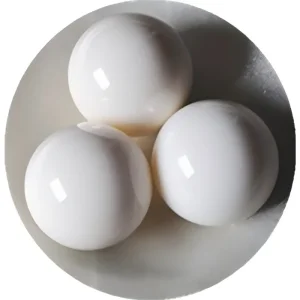
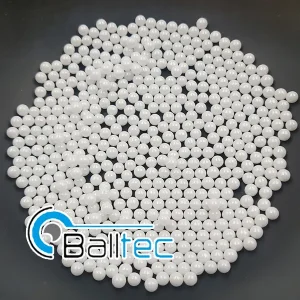
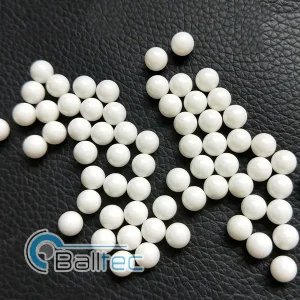
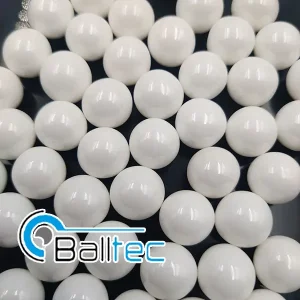
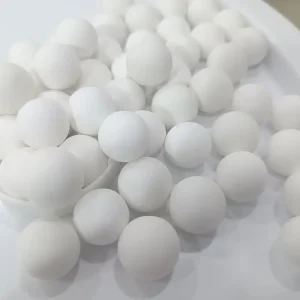
Technical, logistical, and compliance guidance designed for global automotive purchasing managers and systems engineers.
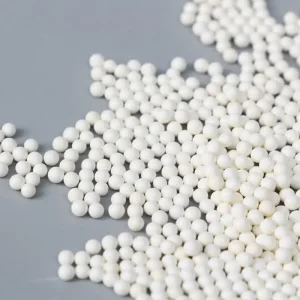
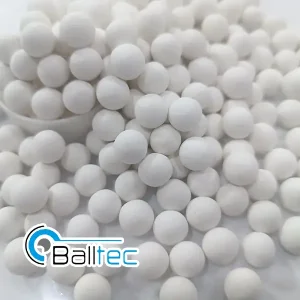
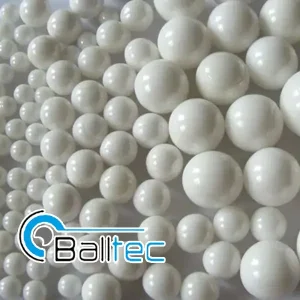
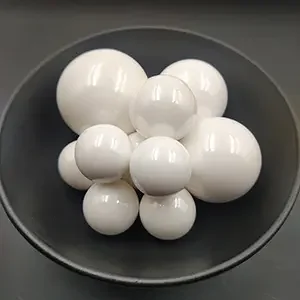
Leading Chinese manufacturers utilize high-grade dielectric insulation substrates, such as magnesia-stabilized zirconia and ultra-pure alumina media (up to 99.99% Al2O3). These materials exhibit high thermal conductivity combined with dielectric breakdown resistance exceeding 25 kV/mm, ensuring continuous operational stability in high-voltage 800V inverters and fast-charging connections.
Every shipment is accompanied by complete PPAP (Production Part Approval Process) Level 3 documentation, including Material Test Reports (MTR), IATF 16949 audit certificates, IMDS registration numbers, RoHS/REACH compliance documentation, and detailed dimensional inspection sheets.
Prototyping and tooling validation generally take 2 to 4 weeks upon CAD sign-off. Full-scale automated production lead times range between 15 and 25 business days, supported by expedited air freight or ocean freight logistics directly from coastal Chinese manufacturing ports.
Technical micro-ceramics (like ZrO2 and Al2O3 beads) are essential for micro-milling raw dielectric materials, conductive inks, and battery cathode slurries. By ensuring sub-micron, defect-free particle size distribution without metallic contamination, they guarantee ultra-high electrical integrity in final automotive sensors and ECUs.