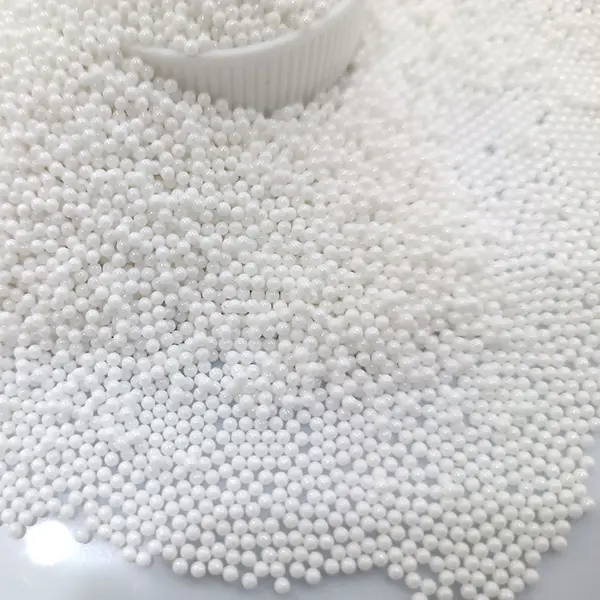
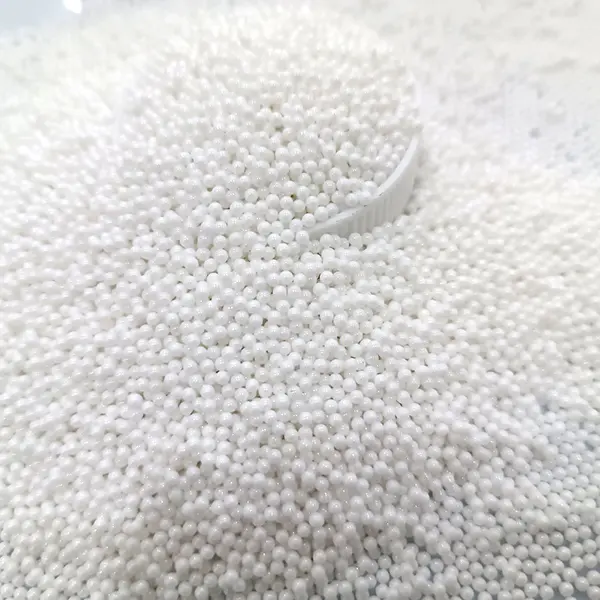
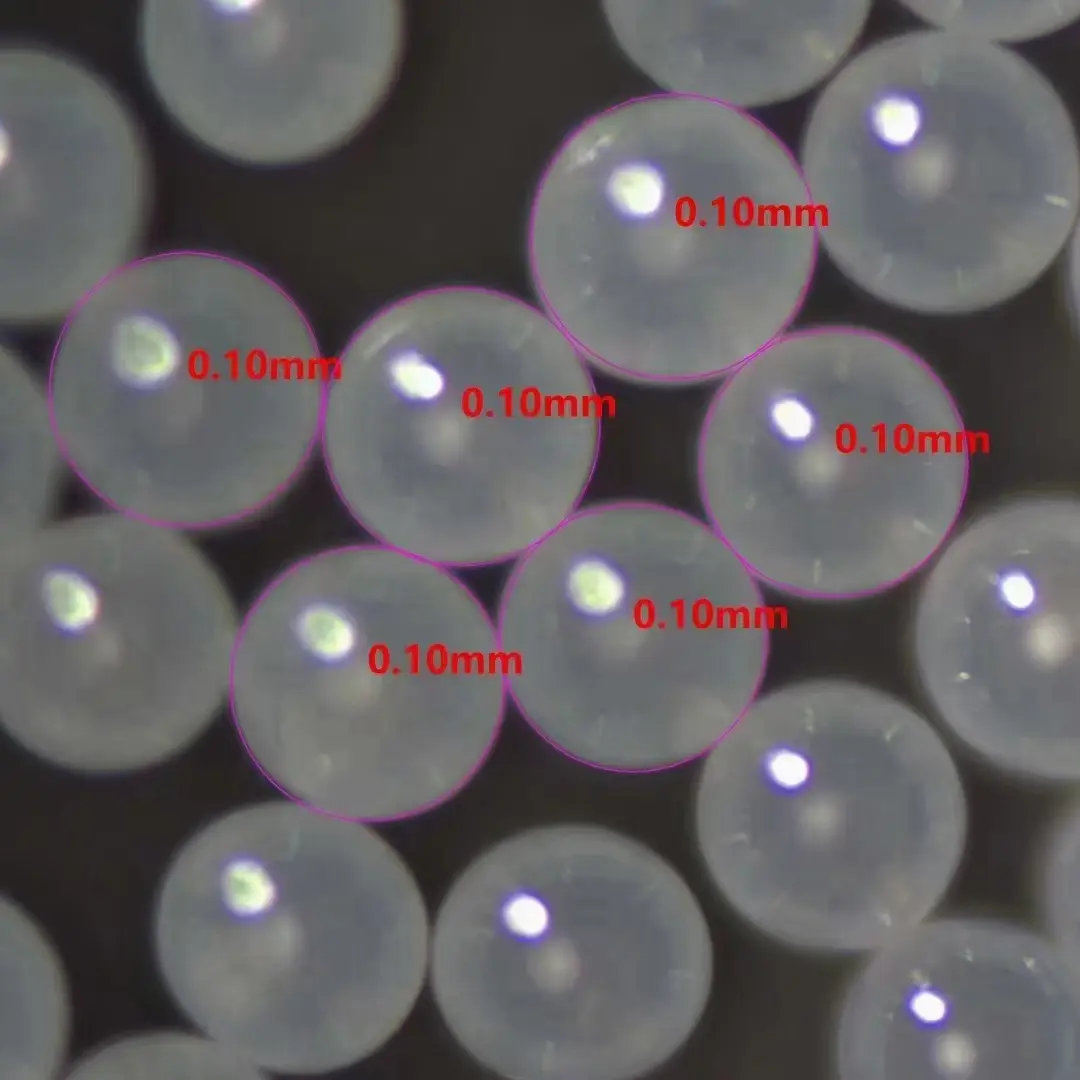
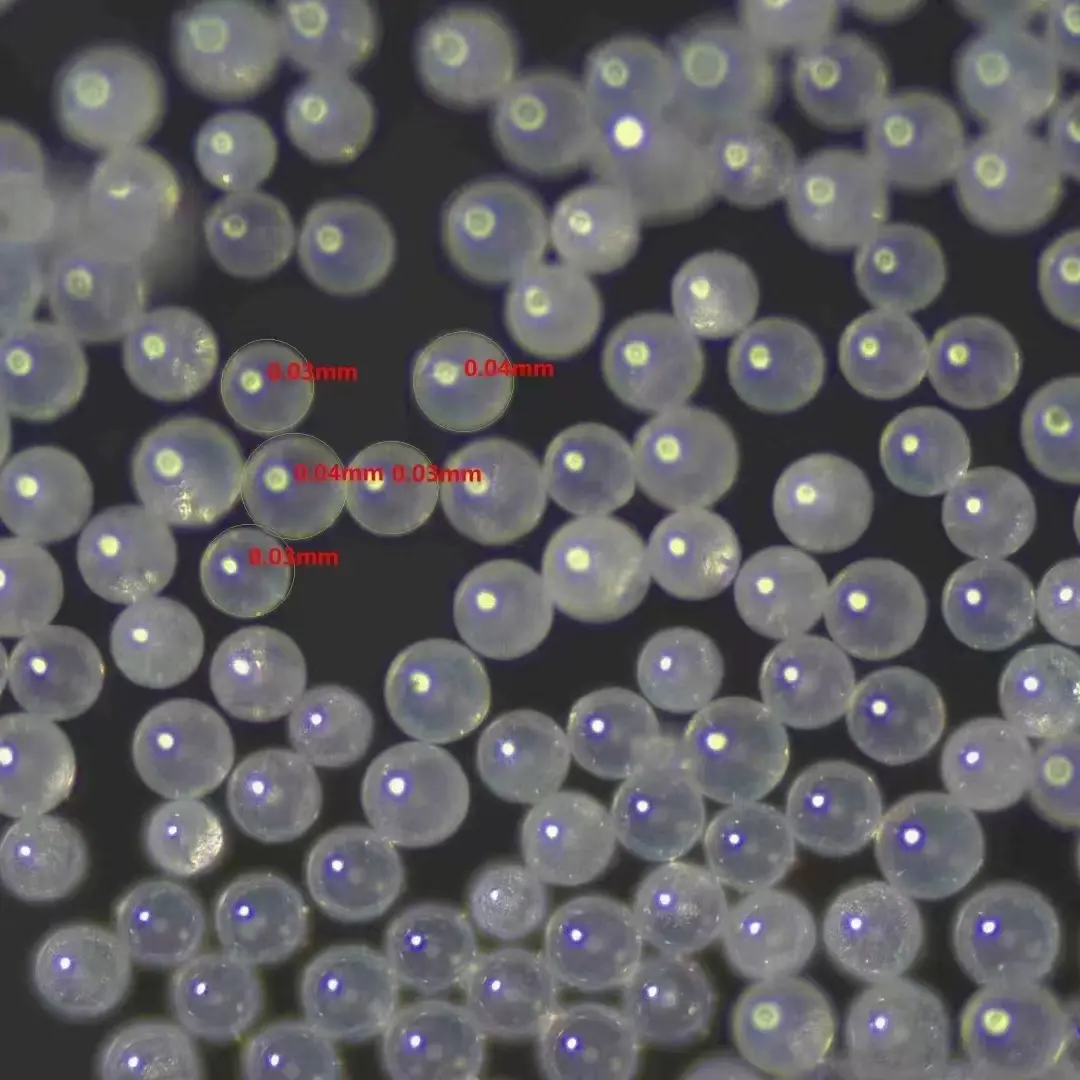
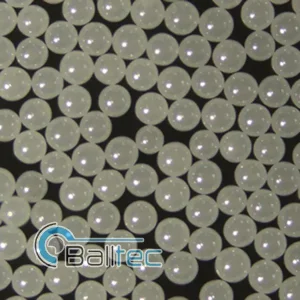
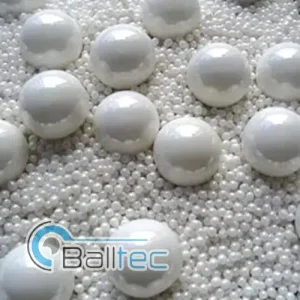
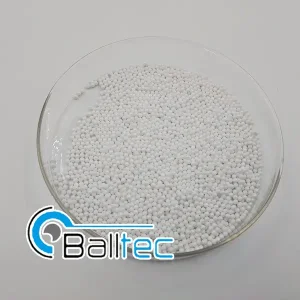
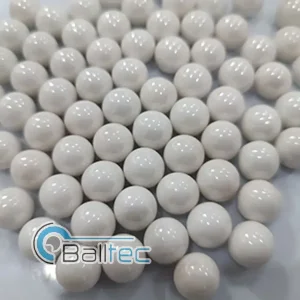
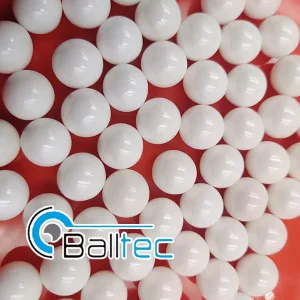
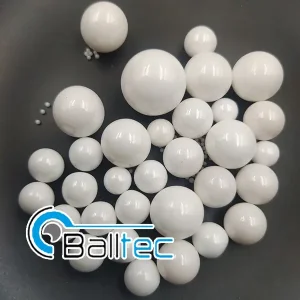
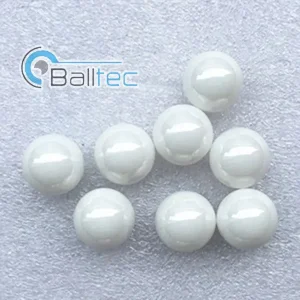
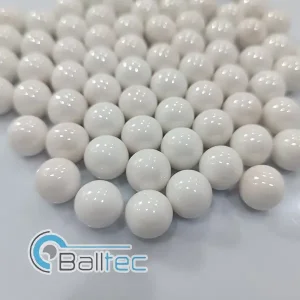
Yttrium stabilized zirconia beads, also known as 95 zirconia beads, have undergone rigorous industry testing. Formulated with 5% yttrium oxide as an auxiliary forming stabilizer, the zirconia content reaches up to 95%. Sintering at this optimal ratio delivers exceptional performance—outperforming other types of zirconium beads in wear resistance, slicing quality, hardness, and fracture toughness.
True Density
6.0 g/cm³
High-density structural integrity
Packing Density
3.6 g/cm³
Optimal bulk volume density
Vickers Hardness
> 1250 HV
Superior scratch & wear resistance
Fracture Toughness
> 2x Alumina
Resists destruction under high pressure
The true density of zirconia beads is 6 grams per cubic centimeter, and the packing density is 3.6 grams per cubic centimeter. Quality zirconia beads feature a Vickers hardness exceeding 1250. With a fracture toughness more than twice that of alumina balls, zirconia balls are highly resistant to destruction under heavy pressure, ensuring extremely low wear. Higher material processing requirements necessitate the use of high-quality zirconia balls to guarantee normal production.
Quality Inspection & Usage Guidelines
To ensure optimal performance and avoid low-quality beads, a series of key quality indicators should be thoroughly tested before deployment:
1. Crushing Strength Test
Use a press machine to test crushing strength. Low-strength beads are prone to breakage during high-speed operation.
2. Sphericity & Surface Inspection
Beads with low sphericity or small tails break easily. Higher sphericity significantly improves wear resistance.
3. Internal Structure Slicing
Slice open the beads to evaluate internal cross-sections. Non-uniform internal textures result in higher wear rates.
4. Particle Size Distribution
A narrow bead size distribution yields finer and more uniform ground materials. Verify size consistency using vernier calipers.
Frequently Asked Questions (FAQ)
QWhat are Yttrium Stabilized Zirconia Beads (95 Zirconia Beads)?
They are high-performance ceramic grinding media made with 95% zirconia content and 5% yttrium oxide as a stabilizer to optimize hardness, wear resistance, and toughness.
QWhat is the density and hardness of 95 zirconia beads?
They feature a true density of 6.0 g/cm³, a packing density of 3.6 g/cm³, and a Vickers hardness exceeding 1250 HV.
QWhy is Yttrium Oxide used as a stabilizer?
Yttrium oxide aids in zirconia crystal phase formation during sintering, maximizing structural stability and achieving superior toughness and wear resistance.
QHow do zirconia beads compare to alumina beads?
Zirconia beads offer more than twice the fracture toughness of alumina beads, preventing breakage under high-pressure conditions and dramatically reducing wear.
QWhy is bead sphericity and size distribution important?
High sphericity prevents bead breakage and lowers wear rates, while a narrow size distribution ensures uniform milled particle sizes in the final output.