Follow 


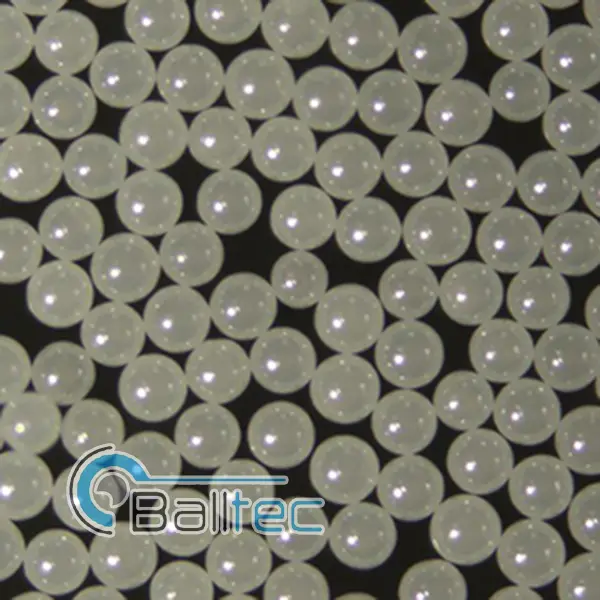
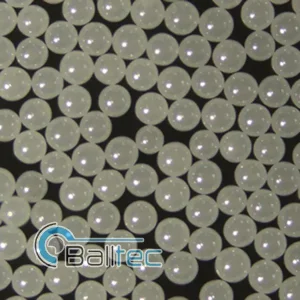
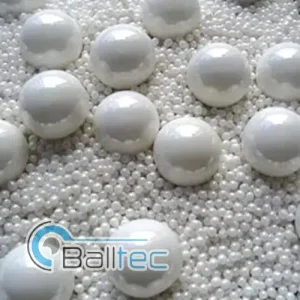
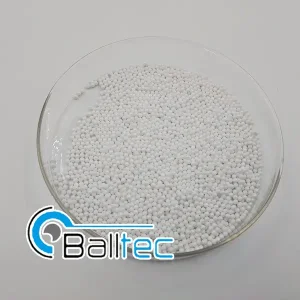
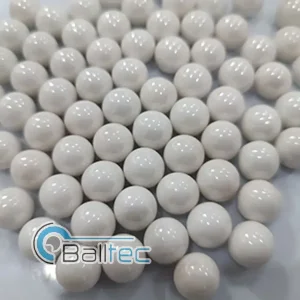
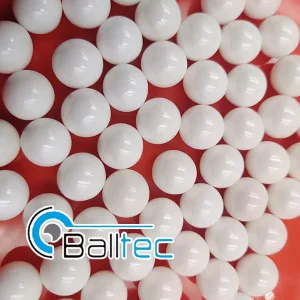
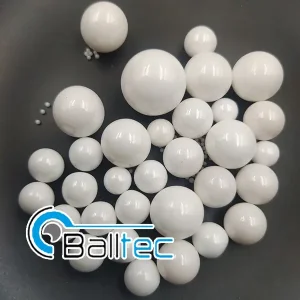
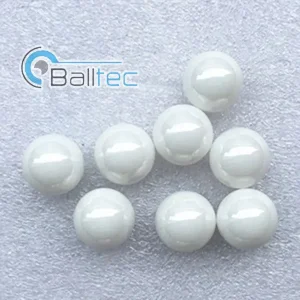
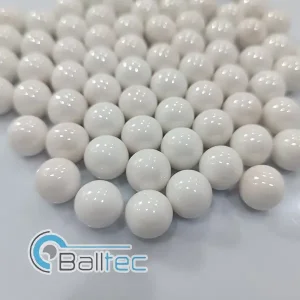
Yttria-stabilized zirconia grinding beads (YSZ grinding beads) are a high-performance grinding medium. Their main component is zirconia (ZrO₂), which is stabilized by adding 5% to 8% yttria (Y₂O₃) and then sintered at high temperatures. The unique crystal structure is its core advantage. The introduction of yttrium suppresses the phase transformation cracking of zirconia, endowing the product with ultra-high toughness, exceptional hardness, and superior density that far exceeds traditional alumina or glass grinding beads.
Ultra-low wear rate (≤0.001% per 1000 hours): Significantly reduces medium contamination during the grinding process and ensures maximum material purity.
High strength & impact resistance: Extremely durable and less prone to fragmentation. Their service life is 5–10 times that of ordinary alumina beads.
Strong chemical inertness: Excellent resistance to strong acids and alkalis, making them versatile for various harsh grinding environments.
Electronic Ceramics: Used for grinding barium titanate powder for MLCCs (Multilayer Ceramic Capacitors), ensuring stable dielectric properties.
Pharmaceutical Industry: Ideal for superfine grinding of active pharmaceutical ingredients (APIs) requiring high purity.
New Energy Processing: Suitable for fine grinding of lithium battery cathode materials (such as NMC) to enhance battery performance.
High-End Coatings & Pigments: Demonstrates highly efficient grinding advantages in fields with stringent requirements for particle size and purity.
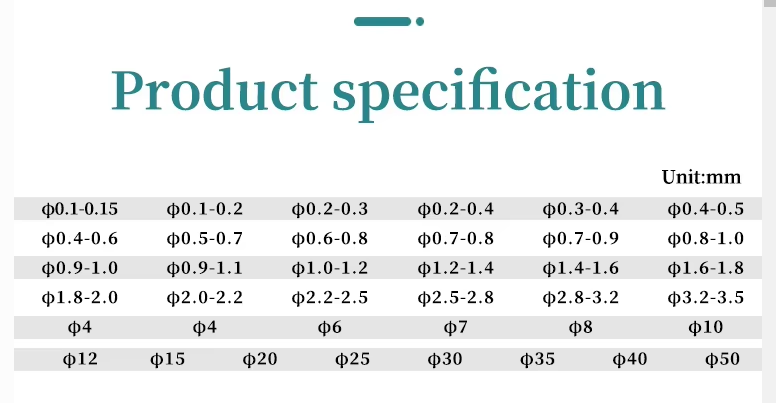
YSZ grinding beads are ultra-high performance grinding media made of zirconia (ZrO₂) stabilized with 5% to 8% yttria (Y₂O₃) and sintered at high temperatures.
YSZ beads feature ultra-high fracture toughness (≥ 8 MPa·m¹/²), high Vickers hardness (≥ 1200 HV), and a high density of 6.0 to 6.2 g/cm³, far surpassing traditional alumina or glass media.
Due to their exceptional strength and high impact resistance, the service life of YSZ grinding beads is 5 to 10 times longer than that of ordinary alumina beads.
YSZ beads have an ultra-low wear rate of ≤0.001% per 1000 hours, which effectively minimizes media contamination and ensures high purity of the ground material.
They are widely utilized in electronic ceramics (MLCCs), pharmaceutical API grinding, lithium battery cathode material processing (NMC), precision ceramics, high-end coatings, and pigments.