Follow 


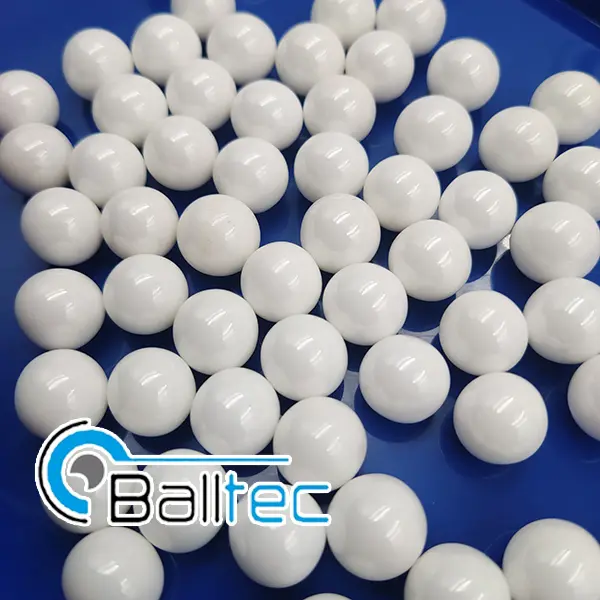
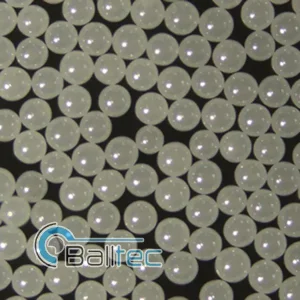
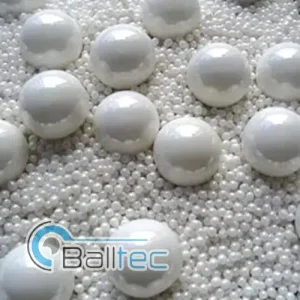
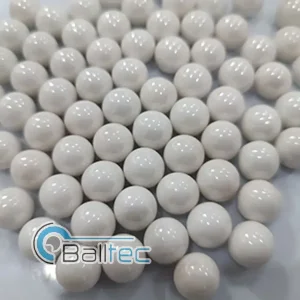
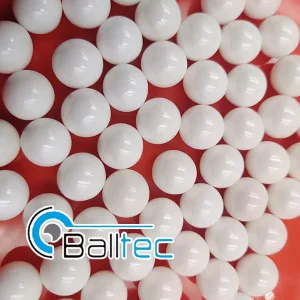
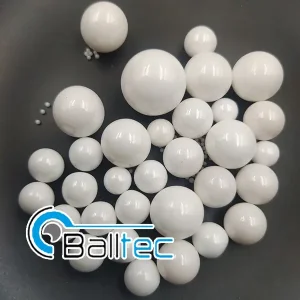
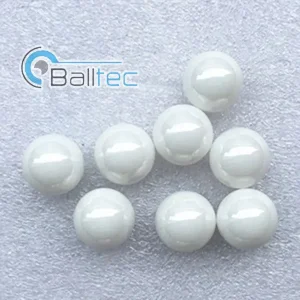
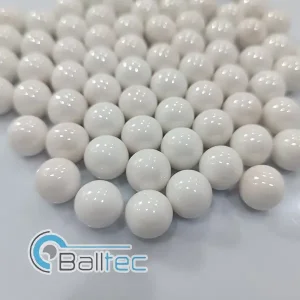
Zirconia balls have higher density and hardness compared with other abrasives. Moreover, zirconia balls vary in chemical composition, which leads to differences in their density and hardness. Below, Sainuo Zirconia Beads will discuss the density and hardness parameters of zirconia balls with you.
In the grinding industry, the higher the density and hardness of zirconia balls, the better the grinding effect. High density means greater weight for the same volume, which generates higher kinetic energy. High hardness enables the grinding of materials with relatively lower hardness, and it also results in lower wear rate.
Higher density yields greater weight for the same volume, providing significantly increased kinetic force during grinding.
High hardness allows efficient grinding of various materials while ensuring exceptionally low wear rates over time.
Advanced electrolyte titration molding produces uniform density from core to surface without hollow or snowman beads.
At present, the manufacturing technology of zirconia balls has become quite mature. Some professional manufacturers have begun to adopt titration molding technology in electrolyte for production (refer to Sainuo Zirconia Beads). The zirconia balls produced by this method feature high hardness and uniform density from surface to core, without defects such as hollow beads or snowman-shaped beads.
Adding stabilizers (e.g., yttrium oxide, cerium oxide) during the heating process of zirconia balls can prevent cracking during cooling after heating. For this reason, we often add 5% yttrium oxide as a stabilizer to 95% zirconia. The zirconia balls produced by this formulation possess high hardness and density, making them suitable for a wide range of industries, even for grinding high-viscosity materials.
| Item | Specification |
|---|---|
| Main Component | ZrSiO₄ ≥ 98%, other impurities ≤ 2% |
| Vickers Hardness (HV) | ≥ 850 HV |
| True Density | 3.8-4.0 g/cm³ |
| Bulk Density | 2.2-2.4 g/cm³ |
| Particle Size Range | 0.05mm - 50mm (customizable in specific size intervals) |
| Particle Size Tolerance | ±0.01mm (0.05-1.0mm); ±0.1mm (1.0-10mm); ±0.5mm (>10mm) |
| Wear Rate | ≤ 50 ppm (in wet grinding of coatings) |
| Operating Temperature | ≤ 800℃ (stable without deformation or cracking) |
| Chemical Stability | Resistant to weak acids, alkalis, and organic solvents; non-reactive with most materials |
| Shape | Spherical (sphericity ≥ 0.95) |
| Packaging | 1kg/5kg/20kg sealed plastic bags; 50kg/100kg fiber drums (with moisture-proof lining) |