Follow 


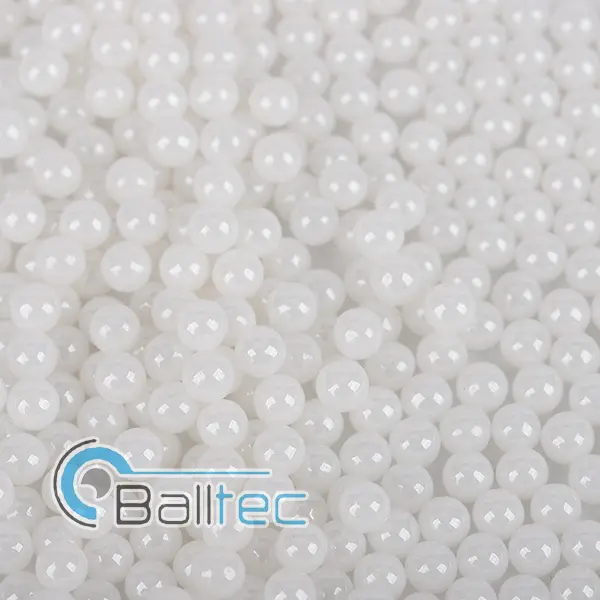
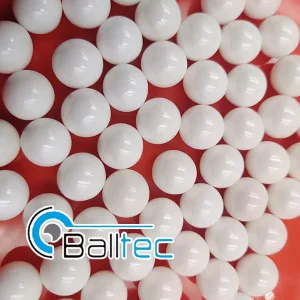
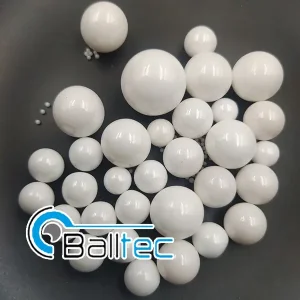
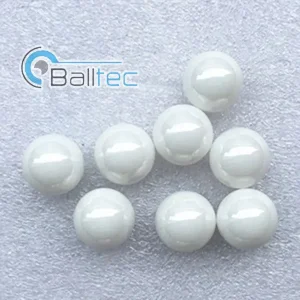
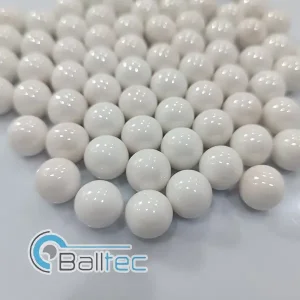
Zirconia ceramic balls are inorganic non-metallic materials manufactured using zirconia powder and other additives as raw materials through the processes of powder preparation, batching, and forming. Classified as functional ceramics, zirconia balls are widely applied in numerous fields, including thermal barrier coatings, catalyst supports, medical care, health products, refractory materials, and textiles. They exhibit excellent mechanical, physical, and chemical properties.
Zirconia balls feature high impact resistance and low wear rate. Thanks to their high ZrO₂ content, they possess outstanding physical advantages such as high density, high toughness, low wear, and resistance to breakage and spalling, resulting in minimal dispersion contamination to the ground materials.
The wear rate of zirconia balls is much lower than that of ordinary ceramic beads, by a factor of several times. Additionally, the more complex the structure of zirconia balls, the lower their thermal conductivity, and the better their thermal insulation performance.
Zirconia balls generally have a high elastic modulus, making them highly resistant to deformation. Even at extremely high temperatures, their deformation remains minimal. Meanwhile, they boast high strength, high hardness, and excellent wear resistance.
Notably, their high strength can be maintained above 100 degrees Celsius, whereas most metals would soften or even melt at this temperature. Compared with grinding beads made of other materials, grinding media crafted from zirconia balls allow for higher grinding loads and faster rotation speeds, with their service life extended by several times.
Zirconia balls have an extremely stable microstructure. Under normal circumstances, they cannot react with oxygen in the medium; they are not susceptible to oxidation at room temperature, nor even under high-temperature conditions.
They also demonstrate strong resistance to corrosion by acids, alkalis, salts, and molten non-ferrous metals. Except for hydrofluoric acid and molten sodium hydroxide, zirconia balls can resist the corrosion of almost all inorganic acids and most alkaline solutions. In summary, zirconia balls exhibit exceptional chemical stability.
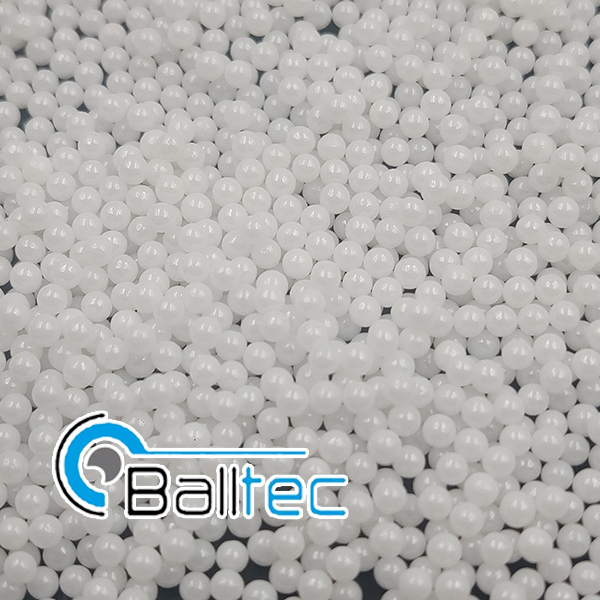
Zirconia ceramic balls are widely used as functional ceramics in thermal barrier coatings, catalyst supports, medical devices, health products, refractory materials, textiles, and as high-efficiency grinding media in industrial mills.
Zirconia balls offer significantly higher wear resistance, higher density, and high hardness. Unlike metal media, they do not contaminate ground materials, do not soften at high temperatures (above 100°C), and feature a service life that is extended by several times.
Yes, zirconia balls demonstrate exceptional chemical stability. They resist corrosion from almost all inorganic acids, alkalis, salts, and molten non-ferrous metals, with exceptions only for hydrofluoric acid and molten sodium hydroxide.
Zirconia ceramic balls retain high mechanical strength, structural integrity, and deformation resistance even at elevated temperatures. They are non-oxidizing at both room and high temperatures.
Due to their high density and high elastic modulus, zirconia balls support higher grinding loads and faster rotation speeds, achieving fine grinding with minimal wear and zero spalling.