Follow 


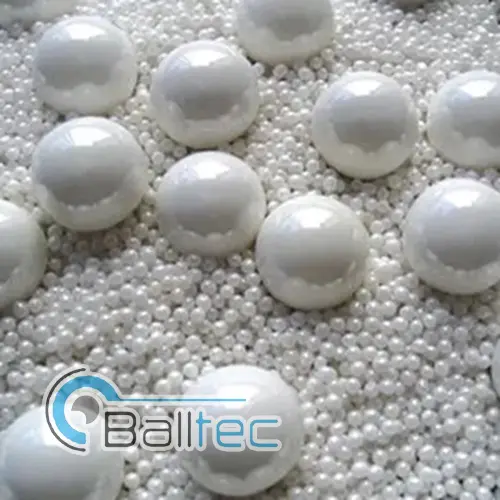
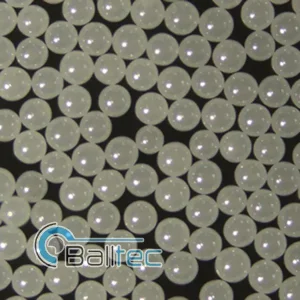
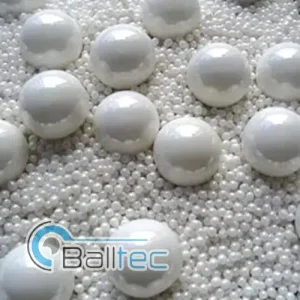
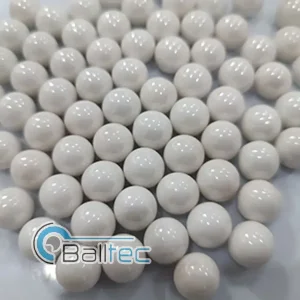
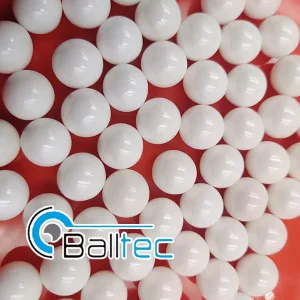
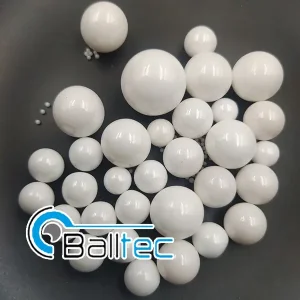
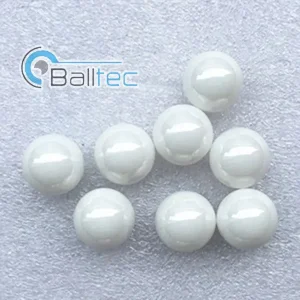
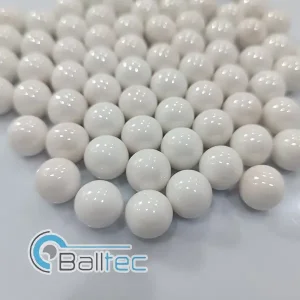
Zirconium Oxide Grinding Bead Excellent Wear Resistance Grinding Media are high-performance ceramic grinding beads, crafted from high-purity zirconium oxide (ZrO2) with yttrium oxide as a stabilizer through high-temperature sintering and precision shaping. Designed to deliver exceptional wear resistance, they are professional grinding media suitable for long-term, high-intensity industrial grinding scenarios, perfectly embodying the core advantage of "excellent wear resistance" highlighted in the product title.
| Item | Specification |
|---|---|
| Material | High-purity ZrO2 with yttrium oxide stabilizer |
| Mohs Hardness | ≥ 9.0 |
| Density | 6.0-6.2 g/cm³ |
| Wear Loss | ≤ 0.008 ppm/h (Excellent Wear Resistance) |
| Operating Temperature | ≤ 1000℃ |
| Particle Size | 0.1-10 mm (Customizable) |
The most prominent advantage of these zirconium oxide grinding beads is their excellent wear resistance. With a wear loss as low as ≤ 0.008 ppm/h, they are far superior to traditional grinding media such as glass beads and alumina beads. Their high Mohs hardness (≥ 9.0) and dense structure effectively reduce wear during high-intensity grinding, ensuring long service life and reducing the frequency of bead replacement. Additionally, they maintain stable performance during long-term use, with no obvious wear deformation, ensuring consistent grinding efficiency and results, which greatly lowers industrial production costs.
Benefiting from their excellent wear resistance, these grinding beads are widely used in high-intensity industrial grinding scenarios. In the non-metallic mining industry, they are used for long-term grinding of hard materials such as ground calcium carbonate and kaolin. In the paint, coating and ink industry, they withstand high-speed grinding and dispersion of pigments, maintaining stable performance. They are also suitable for the electronic materials and new energy industry, used for grinding electrode materials and ceramic raw materials, as well as for high-intensity grinding in the pharmaceutical and food industries that require zero contamination.
They are made of high-purity ZrO2 with yttrium oxide stabilizer, possessing high Mohs hardness (≥ 9.0) and a dense internal structure processed via high-temperature sintering, resulting in an ultra-low wear loss of ≤ 0.008 ppm/h.
Yes, their exceptional wear resistance ensures stable performance during continuous high-intensity industrial grinding, significantly reducing bead replacement frequency and overall production costs.
Yes, the particle size can be adjusted between 0.1 mm and 10 mm to adapt to various specific industrial grinding and dispersion machinery.
They are widely applied in non-metallic mining, paints, coatings, inks, electronic materials, new energy electrode materials, and zero-contamination pharmaceutical and food grinding processes.
These zirconium oxide grinding beads maintain stable structural integrity and grinding efficiency at operating temperatures up to ≤ 1000℃.
With a higher density (6.0-6.2 g/cm³) and superior hardness (≥ 9.0), they provide much higher grinding efficiency, lower wear deformation, and far longer service life than glass or alumina media.