Wholesale Ceria Stabilized Zirconia Bead Zirconia Sintering Beads Supplier, Exporter

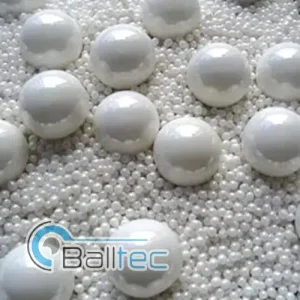
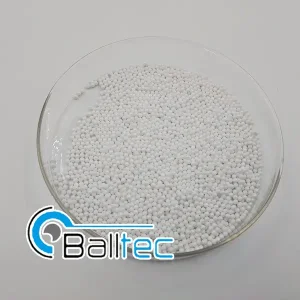
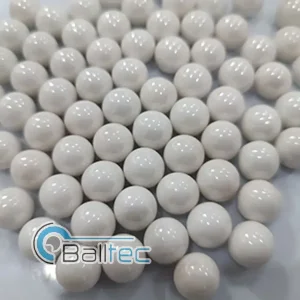
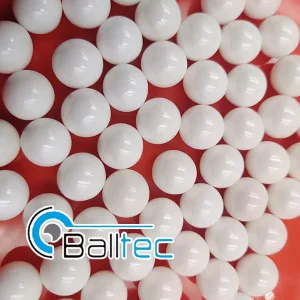
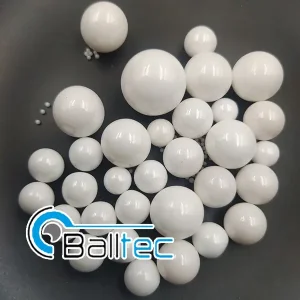
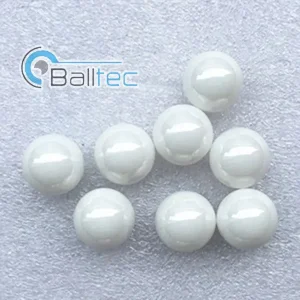
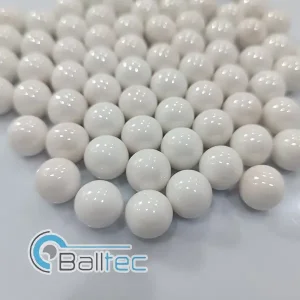
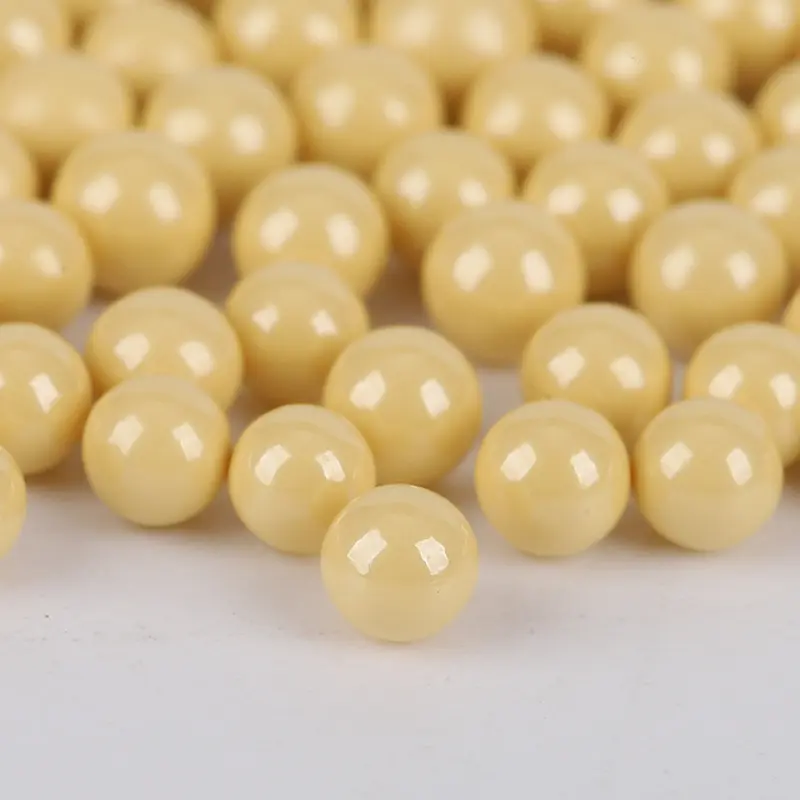
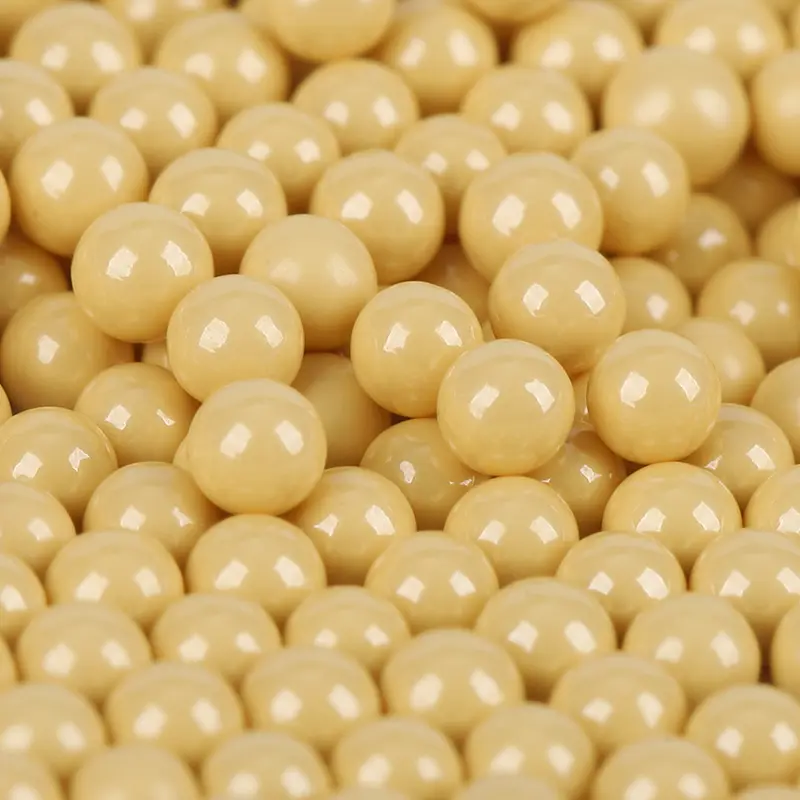
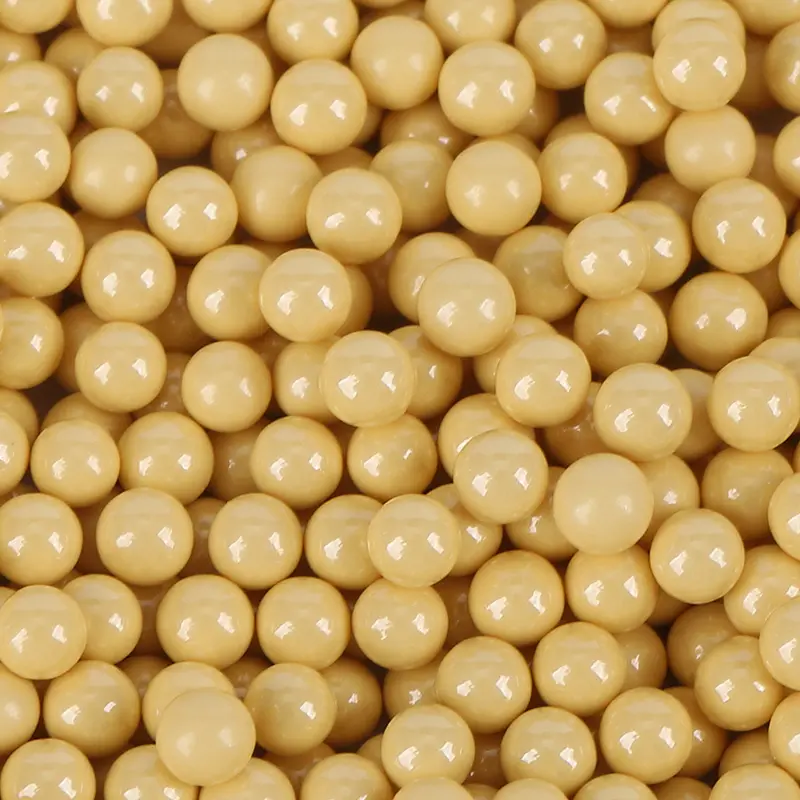
Cerium stabilized zirconia beads referred to as cerium zirconia beads, generally yellow, brown, black, relatively high density, widely used for grinding high viscosity materials, such as paint, ink, coatings, adhesives, paper, metal, non-metallic minerals and rare earth materials grinding and dispersion.

Product Description

Product Description

Because the comprehensive performance of cerium zirconium beads is very strong, the grinding efficiency of high viscosity materials is exceptionally high and uniform. With a smooth surface that is easy to clean and offers a long service life, there is no need to frequently mend the ball. This ensures the production process becomes simple, efficient, and highly economical. As wear-resistant beads significantly reduce operational costs, most large manufacturers utilize these zirconium beads as their primary grinding medium.
Zirconium Silicate Beads
Zirconia content: 65% | Silicon content: 35%
Cerium Stabilized Zirconia Beads
Zirconia content: 80% | Ceria content: 20%
Yttrium Stabilized Zirconia Beads
Zirconia content: 95% | Yttrium oxide: 5%
Alumina Toughened Zirconia Beads
Formulated with added alumina to significantly enhance toughness and durability.

Product Parameters

Specification Parameter Value / Details
Bulk Specific Density >3.7 g/cm³ to >6.1 g/cm³
Vickers Hardness >1050 HV
Sphericity >92%
Package Size & Range Plastic bucket / Ton bag (0.4mm - 7.0mm)
Grinding Media Grading & Ratio Guidelines
More common in production is the two-stage ratio and multi-stage ratio. The general multi-stage ratio follows the principle of "less at two ends, more in the middle" (large, small, and middle balls).
The two-stage ball method utilizes two different diameter sizes for grading:
  • Large Ball Diameter: Determined by the size of the ball mill, material particle size, and grindability. The second-level ball diameter in multi-level ball matching shall prevail.
  • Small Ball Diameter: Calculated based on the gap between the large balls. Under normal conditions, the small ball diameter is 20% - 30% of the large ball diameter.

Frequently Asked Questions

1. Why are cerium zirconium beads preferred for high-viscosity grinding?

Cerium zirconium beads offer superior wear resistance, high density, and smooth surface properties. They deliver uniform grinding performance for high-viscosity materials without requiring frequent replacement, significantly reducing production downtime and operational costs.

2. What chemical compositions are available for zirconia beads?

We offer four main formulations: Zirconium Silicate (65% ZrO2, 35% SiO2), Cerium Stabilized (80% ZrO2, 20% CeO2), Yttrium Stabilized (95% ZrO2, 5% Y2O3), and Alumina Toughened Zirconia beads engineered for enhanced mechanical strength.

3. What is the density and hardness of these grinding beads?

The bulk specific density ranges from >3.7 g/cm³ up to >6.1 g/cm³, featuring a Vickers hardness exceeding 1050 HV and high sphericity (>92%).

4. How do I choose the correct ball ratio (two-stage vs. multi-stage)?

For multi-stage loading, apply the "less at two ends, more in the middle" principle. For two-stage grading, select the large ball based on mill specifications and material size, and choose small balls that are 20% to 30% of the large ball's diameter.

5. What sizes and packaging options are available?

Bead diameters range from 0.4mm to 7.0mm. Available packaging options include heavy-duty plastic buckets and bulk ton bags to suit different factory requirements.

Related Products