Follow 


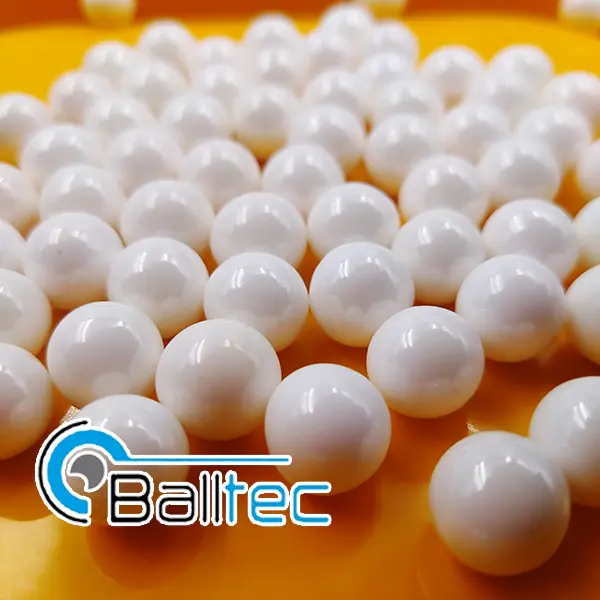
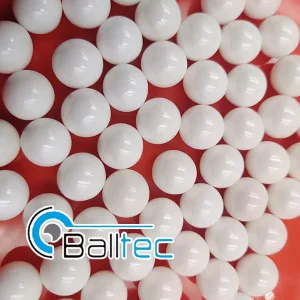
Common dental crowns are ceramic crowns made from zirconium powder, which shares the same raw material as zirconium beads. The sintering of dental crowns is typically carried out in a sintering furnace—a sealed unit classified as a small-scale laboratory furnace. The operating temperature of a dental crown sintering furnace reaches 1600°C. As a ceramic product, zirconium beads exhibit excellent high-temperature resistance and can remain stable at 1600°C without cracking or shattering, thereby effectively protecting the dental crowns during the process.
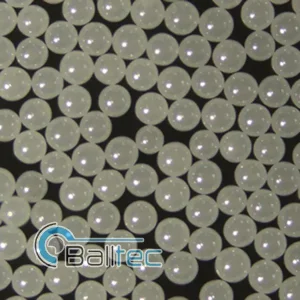
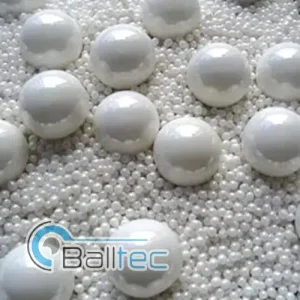
During sintering, the internal structure of dental crowns undergoes changes accompanied by gradual shrinkage. However, the zirconium beads used in the furnace feature a smooth surface with minimal resistance, ensuring that the shrinkage of dental crowns proceeds without causing deformation.
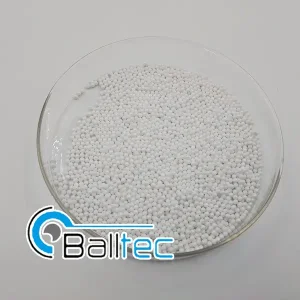
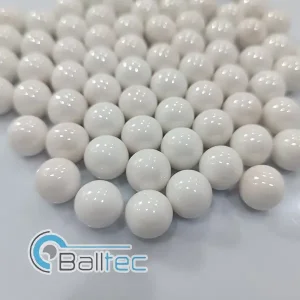
If the surface of zirconium beads turns yellow gradually during sintering, it indicates the formation of impurities or other oxides inside the furnace. Due to the sealed nature of the furnace, flue gases and volatile contaminants cannot be discharged, necessitating a material to adsorb these substances. When piled together, zirconium beads provide a large specific surface area, which allows them to absorb the impurities, resulting in the gradual yellowing of their surface. Once the zirconium beads reach their adsorption capacity and can no longer absorb additional contaminants, the dental crowns will start to adsorb these impurities during subsequent sintering processes, leading to the yellowing of the crowns. It is important to note that the yellowing of dental crown surfaces is not caused by the zirconium beads themselves.
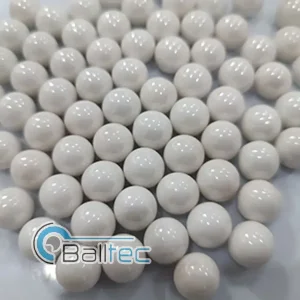
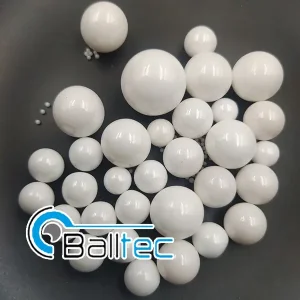
Zirconium beads are chemically inert and do not react with any medium. They can be subjected to repeated high-temperature sintering cycles, which may cause them to become increasingly brittle over time, but their internal structure and surface properties will not be otherwise affected. The commonly used specification of zirconium beads for dental crown sintering ranges from 1.0 mm to 3.0 mm in diameter.
| Item | Specification |
|---|---|
| Main Component | ZrO₂ ≥ 94.5%, Y₂O₃ (stabilizer) 4-5%, other impurities ≤ 0.5% |
| Vickers Hardness | ≥ 1200 HV |
| Density | 6.0-6.1 g/cm³ |
| Bulk Density | 3.5-3.8 g/cm³ |
| Particle Size Range | 0.1-5.0 mm (customizable; 1.0-3.0 mm for dental sintering) |
| Particle Size Tolerance | ±0.05 mm (for beads ≤ 3.0 mm); ±0.1 mm (for beads > 3.0 mm) |
| Compressive Strength | ≥ 2000 N (Φ2.0 mm beads) |
| Operating Temperature | ≤ 1600℃ (stable without cracking or shattering) |
| Chemical Stability | Chemically inert, no reaction with acids, alkalis, or organic media; non-toxic, non-polluting |
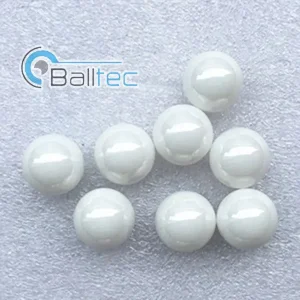
| Surface Quality | Smooth, dense, no burrs, no pores |
| Packaging | 100g/500g/1kg sterile sealed bags; 20kg/50kg cartons (for industrial use) |