Ceramic Ball Manufacturer & Exporter in Hanoi

Supplying high-purity alumina, yttria-stabilized zirconia, and inert catalyst bed support spheres engineered for Northern Vietnam’s electronics, chemical, and advanced manufacturing corridors.

Send Inquiry Now Technical Specifications

Precision Media for Hanoi High-Tech Industries

Engineered to deliver exceptional wear resistance, minimal trace contamination, and maximum crush strength under high temperature and aggressive chemical environments.
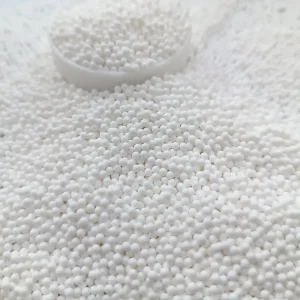
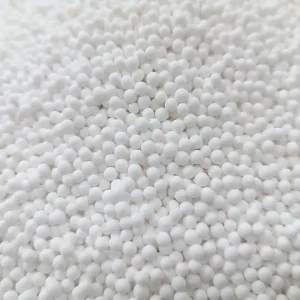
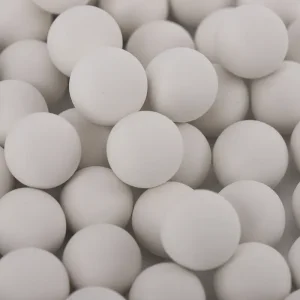
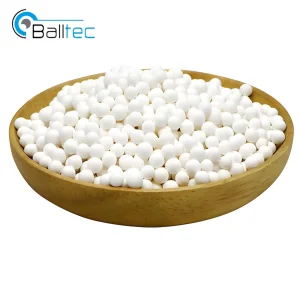
Alumina Grinding Balls Hanoi Industrial Grade
High-Purity Al2O3 Alumina Grinding Balls for Hanoi Electronic Materials & Ceramic Plants
Wholesale Alumina Ball Alumina bead High Alumina ball Al2O3 Grinding Ball Supplier, Suppliers
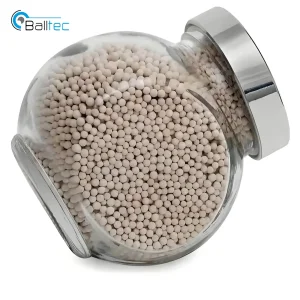
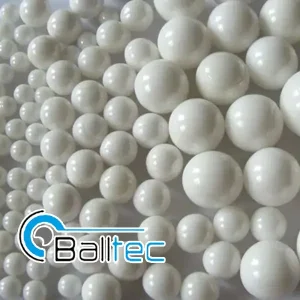
Activated Alumina Ball Hanoi Compressed Air Drying
Activated Alumina Desiccant Balls (2-4mm) for Hanoi Cleanroom Compressed Air Systems
Wholesale Activated Alumina Ball 2-4mm Manufacturer, Manufacturers
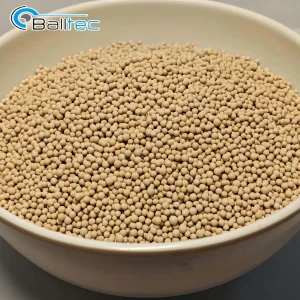
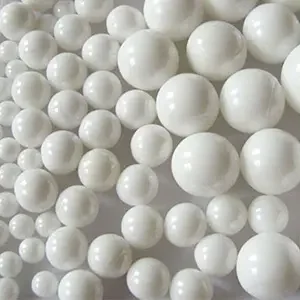
Zirconia Alumina Silicate Grinding Media Hanoi Paint Sector
Zirconia-Alumina Silicate Composite Grinding Media for Hanoi Paints & Coatings Industry
High-Quality Ceramic Grinding Ball Zirconia Alumina Silicate Light Density High Performance Manufacturer, Factory
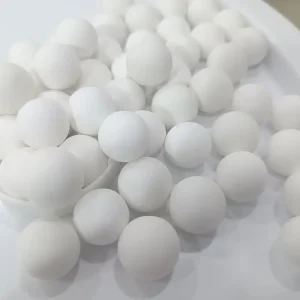
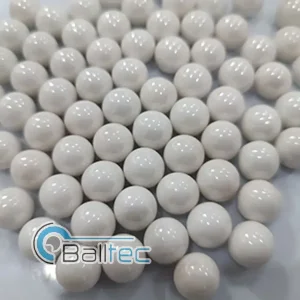
Inert Ceramic Alumina Ball Chemical Support Hanoi
Industrial Inert Alumina Ceramic Bed Support Balls for Hanoi Chemical Processors
Wholesale Inert Ceramic Alumina Ball For Chemical Industry Manufacturers, Supplier

Hanoi’s Industrial Renaissance & Advanced Material Requirements

As Northern Vietnam rapidly expands into a tier-one global manufacturing hub, Hanoi stands at the center of an interconnected industrial ecosystem comprising the Hòa Lạc Hi-Tech Park, Bắc Thăng Long Industrial Zone, Thăng Long II, and key manufacturing belts linking Bắc Ninh, Hải Phòng, and Quảng Ninh. This dense industrial cluster demands exceptionally reliable ceramic components for high-precision manufacturing, energy generation, chemical processing, and electronic material synthesis.

Modern ultrafine milling equipment—such as high-energy horizontal agitator bead mills, basket mills, and fluid bed jet mills—operates under intense mechanical stress. Traditional steel or low-density silica grinding media fail rapidly, introducing metallic contamination that degrades electronic substrates, battery slurries, and high-end automotive coatings. As a primary manufacturer and exporter, our high-density Yttria-Stabilized Tetragonal Zirconia Polycrystal (Y-TZP) and 99.5% Alpha-Alumina (α-Al2O3) spheres eliminate media degradation while drastically improving particle size reduction efficiency (down to sub-micron and nanoscale levels).

Geographic Proximity

Rapid cross-border logistics via the Youyi Pass (Hữu Nghị) direct to Hanoi industrial parks within 24–48 hours.

Zero-Tariff ACFTA Access

Fully compliant Form E certificates ensure zero import duties under ASEAN-China Free Trade Agreements.

Hanoi Local Market Application Spectrum

1. Semiconductor & Electronic Chemicals

Sub-micron grinding of high-purity alumina slurries for CMP polishing, dielectric ceramics, and micro-scale solder pastes in Hòa Lạc Hi-Tech Park.

2. Automotive Paints & Industrial Coatings

High-wear zirconia beads utilized in horizontal mill setups to achieve flawless color dispersion, high clarity, and low VOC paint formulations.

3. Petrochemical & Fertilizer Refineries

Inert alumina bed support media operating inside ammonia synthesis, hydrocracking, and catalytic reforming columns across Northern Vietnam.

4. Advanced Energy & Battery Storage

Nanometer-scale dispersion of Lithium Iron Phosphate (LFP) cathode materials and solid-state battery electrolyte powders with zero metal contamination.

Engineering Grade Ceramic Specifications

Our industrial ceramic spheres are manufactured using ultra-fine synthesized powders subjected to cold isostatic pressing (CIP) and precision sintering at temperatures up to 1750°C. Below is the technical performance baseline for engineers and procurement managers.

Material Category Chemical Composition Apparent Density (g/cm³) Vickers Hardness (HV10) Crush Strength (20mm Ø) Primary Hanoi Industry
Yttria-Stabilized Zirconia (Y-TZP) ZrO2 ≥ 94.8%, Y2O3 5.2±0.5% ≥ 6.02 ≥ 1250 GPa ≥ 35 kN Nanomaterials, Inks, LFP Battery Slurries
Ceria-Stabilized Zirconia (Ce-TZP) ZrO2 ≥ 80%, CeO2 18-20% ≥ 6.20 ≥ 1180 GPa ≥ 40 kN Heavy Mineral Grinding, Calcium Carbonate
High Purity Alumina (99.5% Al2O3) Al2O3 ≥ 99.5%, SiO2 ≤ 0.05% ≥ 3.90 ≥ 1700 GPa ≥ 22 kN Electronic Components, CMP Slurries
Standard Alumina Grinding Media Al2O3 92% - 95% ≥ 3.65 ≥ 1450 GPa ≥ 18 kN Ceramic Tiles, Glazes, Cement Mills
Inert Alumina Support Balls Al2O3 17% - 99.5% 2.4 - 3.8 Mohs 8 - 9 ≥ 15 kN (99% Al2O3) Petrochemical & Ammonia Bed Support
Silicon Nitride (Si3N4) Si3N4 ≥ 93%, Y2O3/Al2O3 7% ≥ 3.25 ≥ 1550 GPa ≥ 50 kN High-Speed Ceramic Bearing Balls (G3/G5)

Spherical Precision & Tolerance

Utilizing high-precision automated roller sorting and optical laser micrometers, our bearing and milling spheres achieve roundness tolerance within ±0.001mm (G3 to G10 standards according to ISO 3290/ABMA standards).

Minimal Self-Wear Rate

Through dense sub-micron crystal microstructure control (average crystal grain size < 0.5 µm), the volumetric self-wear rate of our Y-TZP beads is verified below 0.01 g/kg·h in wet agitation trials.

Thermal & Chemical Stability

Resistant to extreme temperature variations (up to 1350°C continuous service for inert alumina) and impervious to severe acid or alkali corrosion (hydrofluoric acid excepted), preserving catalyst bed integrity.

China Supply Chain Resilience & Direct Hanoi Delivery

Combining world-class production capacity with streamlined cross-border logistics guarantees uninterrupted raw material pipelines for Northern Vietnam factories.

100K
m² Production Base
35K
Tons Annual Output
24H
Transit to Hanoi
0%
ACFTA Tariff Rate

End-to-End Quality Management & Rigorous Inspection

Every production batch shipped to Hanoi undergoes a full spectrum of laboratory testing inside our ISO 9001:2015 and ISO 14001:2015 certified facilities. From raw powder X-ray fluorescence (XRF) spectrum verification to sintered density measurement using Archimedes' displacement, we guarantee zero batch-to-batch variation.

  • Microstructure Analysis: Scanning Electron Microscopy (SEM) inspects grain boundaries to guarantee absence of internal microporosity.
  • Accelerated Wear Testing: Lab-scale bead mill simulation evaluates wear performance under high-shear hydrodynamic conditions.
  • Crush Resistance Validation: Hydraulic press testing verifies bed support loading capabilities before shipping to chemical reactors.

Cross-Border Overland Route to Hanoi

Located in Pingxiang's ceramic industrial park, our logistics node leverages direct highway corridors leading to the Pingxiang (China) - Hữu Nghị (Vietnam) Customs Gate.

[Factory Dispatch] -> Pingxiang Freight Center
[Customs Clearance] -> Hữu Nghị Border Gate (Lạng Sơn)
[Direct Highway] -> National Route 1A to Hanoi
[Destination] -> Delivered to Factory Door in 24 - 48 Hours

Complete documentation suite included: Certificate of Analysis (COA), Technical Data Sheet (TDS), Safety Data Sheet (SDS), and ACFTA Form E.

Explore Our Complete Ceramic & Adsorbent Range

Providing specialized solutions across medical, chemical, petrochemical, natural gas, and automotive applications throughout Hanoi and regional industrial provinces.
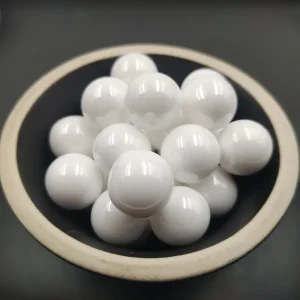
Bio-Inert Ceramic Ball Medical Hanoi
Bio-Inert Ceramic Spheres for High-Precision Medical Components in Hanoi
Wholesale Bio-Inert Ceramic Ball for Medical Device Components Suppliers, Exporter
China Inert Ceramic Ball Catalyst Support Hanoi
Refinery-Grade Catalyst Support Inert Alumina Balls for Hanoi Energy & Fertilizer Units
China Inert Ceramic Ball /Alumina Ball /Catalyst Support Ball Suppliers, Exporter
Molecular Sieve 5A Polyurethane Reaction Hanoi
Molecular Sieve 5A Catalytic Absorbents for Polyurethane & Chemical Reaction in Hanoi
High-Quality Molecular Sieve 5A for Accelerate Polyurethane Reaction As a Catalyst or Co-Catalyst Factory, Exporters
High Crush Strength Inert Alumina Ball Hanoi
High Crush Strength Bed Support Media for Demanding Chemical Reactors in Hanoi
High-Quality High Crush Strength Inert Alumina Ceramic Ball As Catalyst Support Media Factory, Exporters
Zirconium Oxide Grinding Ball Long Life Hanoi
Heavy-Duty Zirconium Oxide (ZrO2) Grinding Balls for Long-Life Mining & Ultrafine Milling
China Zirconium Oxide Grinding Ball for Long Life Durable Grinding Media Solutions Manufacturers, Supplier
Zirconia Grinding Media Pigment Dispersion Hanoi
Wear-Resistant Zirconia Micro-Beads for High-Gloss Pigment & Ink Dispersion in Hanoi
Wholesale Wear-Resistant Zirconia Grinding Media for Pigment Dispersion Suppliers, Factory
ZrO2 Grinding Ball Long Service Life Hanoi
Ultra-Dense ZrO2 Ceramics for Advanced Battery Cathode Milling in Hanoi Suburbs
High-Quality ZrO2 Grinding Ball for Long Service Life Grinding Media Applications Factories, Exporters

Engineering Case Studies in Northern Vietnam

Real-world performance benchmarking demonstrating productivity enhancements, reduced downtime, and cost optimization achieved by industrial plants in the Hanoi Economic Corridor.

Electronic Slurry Manufacturing

Hòa Lạc Hi-Tech Park Component Maker

Challenge: Excessive contamination and rapid bead fracture using lower-grade alumina media in 0.2mm micro-milling of ceramic capacitors.

Solution: Transitioned to Baitian 0.1mm Yttria-Stabilized Zirconia (Y-TZP) beads with density ≥ 6.0 g/cm³.

Result: Self-wear rate reduced by 74%, milling duration decreased by 32%, eliminating batch reject rates caused by iron/silica impurity pickup.
Nitrogen Fertilizer Synthesis

Northern Vietnam Ammonia Facility

Challenge: Bed compaction and pressure drop spikes caused by crushed support spheres in high-temperature catalyst reactors.

Solution: Installed 99% Inert Alumina Catalyst Support Balls engineered with > 22 kN crush resistance per particle.

Result: Continuous operational stability extended to 36 months without bed maintenance shutdowns; zero catalyst poisoning detected.
Compressed Air & Gas Drying

Bắc Thăng Long Semiconductor Cleanroom

Challenge: Moisture breakthrough in compressed air supply degrading sensitive photolithography equipment.

Solution: Retrofitted dual twin-tower desiccant beds with 3A Molecular Sieve Spheres paired with 2-4mm Activated Alumina.

Result: Pressure dew point maintained consistently below -70°C, lowering desiccant regeneration thermal power usage by 18%.

Next-Generation Industrial Ceramics (2026–2030)

As industrial processes transition towards higher energy efficiency, carbon neutrality, and sub-nanometer particle synthesis, standard grinding media reach physical limits. Our R&D division in collaboration with global ceramic research institutes is advancing three key technology pillars:

1. Nano-Grain Y-TZP Micro-Beads (< 50nm Grain Size)

By refining grain boundary chemistry and utilizing ultra-fast microwave sintering, next-gen beads resist hydrothermal aging (phase transformation from tetragonal to monoclinic) even in steam-rich or high-temperature wet milling environments.

2. High-Entropy Oxide Ceramic Matrices (HEOs)

Incorporating multi-component solid solutions (ZrO2-Al2O3-HfO2-Y2O3) to achieve unprecedented hardness (> 1900 HV) and extreme fracture toughness, opening new frontiers in solid-state battery manufacturing.

3. Closed-Loop Ceramic Circular Economy

Implementing direct recycling and chemical re-synthesis protocols for spent grinding media in Hanoi factory clusters, reducing lifetime material costs for high-volume consumers by up to 25%.

Selection Guide for Hanoi Process Engineers

Choosing the correct density and bead diameter is vital to optimize kinetics while preserving mill components:

High Density (≥ 6.0 g/cm³) - Y-TZP Zirconia:
Best for high-viscosity formulations, nano-dispersion (< 100nm), and zero-contamination requirement (batteries, electronic inks).
Medium-High Density (3.6-4.0 g/cm³) - Alumina:
Ideal for medium viscosity slurries, glaze grinding, agricultural chemicals, and ceramic body preparation in ball mills.
Low Density / High Porosity - Adsorbents:
Activated alumina & molecular sieves selected based on kinetic diameter (3A for H2O, 4A for CO2, 5A for paraffin/oxygen separation).

Frequently Asked Questions by Technical Procurement Teams

Clear, direct answers regarding material compliance, shipping logistics to Hanoi, product customization, and operating guidelines.

1. What is the typical lead time for ceramic ball orders delivered directly to factories in Hanoi?
For standard inventory stock (such as 0.6-0.8mm Y-TZP zirconia beads, 92%/95% alumina balls, and 2-4mm activated alumina desiccant), shipment from our facility to Hanoi industrial zones takes 3 to 5 business days via direct cross-border trucking through the Youyi Pass (Hữu Nghị Border Gate). Custom sizes or specialized chemical compositions typically require 2 to 3 weeks for synthesis, pressing, sintering, and quality inspection.
2. How do I calculate the optimal bead loading ratio for horizontal agitator mill setups?
As a standard benchmark for horizontal bead mills (pin type or disc type), the optimal volumetric loading fill ratio ranges between 75% and 85% of the net chamber volume. To calculate required weight (kg):
Required Mass (kg) = Net Chamber Volume (Liters) × Media Bulk Density (kg/L) × Fill Percentage (%)
Our application engineers provide specific loading sheets tailored to your motor power rating, shaft speed, and slurry viscosity.
3. Are tariff exemption documentation provided for Vietnamese industrial buyers?
Yes. As a verified exporter, we issue official ASEAN-China Free Trade Area Preference Origin Certificates (Form E) with every shipment. Under the ACFTA framework, qualifying industrial ceramic items import into Vietnam at 0% preferential customs duty, significantly lowering landed cost for Hanoi manufacturers compared to European or Japanese imports.
4. How does Yttria-Stabilized Zirconia (Y-TZP) compare against Silicon Nitride (Si3N4) for ultra-fine grinding?
Y-TZP zirconia boasts higher density (~6.0 g/cm³ vs 3.25 g/cm³ for Si3N4), generating substantially higher kinetic impact energy at lower rotational speeds, making it the superior choice for wet milling LFP battery slurries, paints, and pigments. Silicon Nitride (Si3N4), however, offers superior thermal shock resistance, lower density, and higher friction limits, making it the ideal material for high-speed precision bearing balls (G3/G5) operating in vacuum or corrosive environments.
5. What crush strength is required for inert alumina support balls in chemical reactors?
For deep reactor beds (height > 5 meters) subjected to thermal cycling and high gas flow rates, a 20mm inert alumina ball (99% purity) must achieve a minimum static crush strength of ≥ 20 kN/particle. Lower purity spheres (17-23% Al2O3) are suitable for top covering layers where thermal shock resistance takes precedence over maximum crush strength.

Partner with China's Premier Ceramic Ball Manufacturer

Optimize your milling efficiency, extend catalyst bed life, and reduce operational costs with factory-direct advanced ceramics delivered swiftly to your plant in Hanoi.

Send Inquiry Now