Follow 


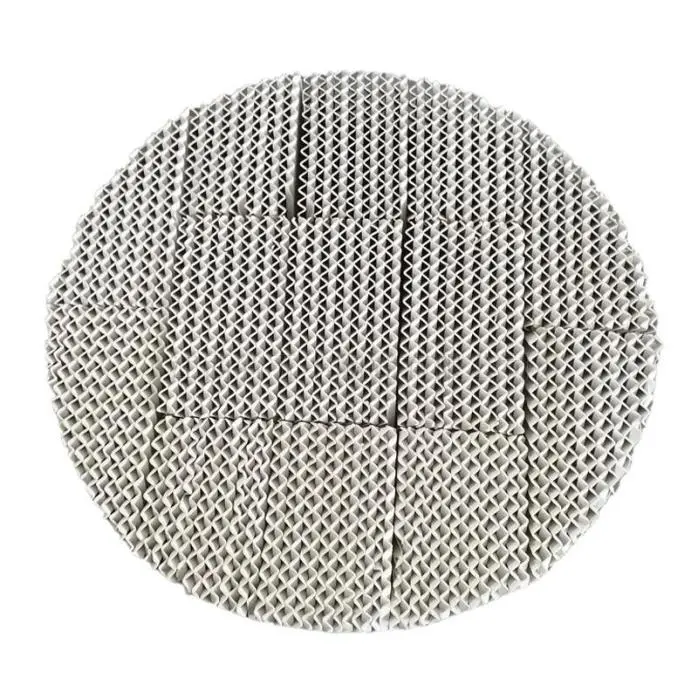
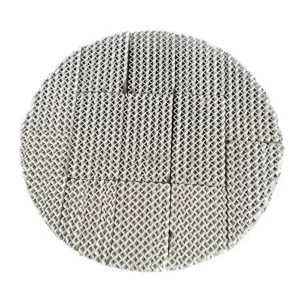
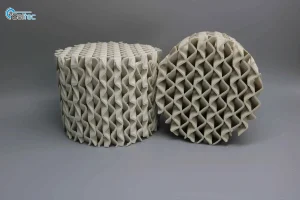
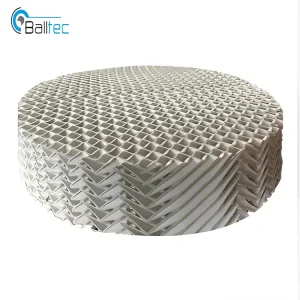
Depending on the vertical inclination angles of the corrugated plates, corrugated plate packed materials are classified into two major types: X-type and Y-type. Regular packed materials are widely used across the petrochemical sector—including distillation, stripping, absorption, and extraction processes for mass transfer. Their unique surface roughness and corrosion resistance enable optimal performance without any obvious size amplification effect.
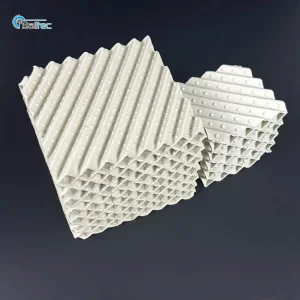
To optimize both pressure drop and mass transfer performance simultaneously, precision holes can be ingeniously perforated into the plates.
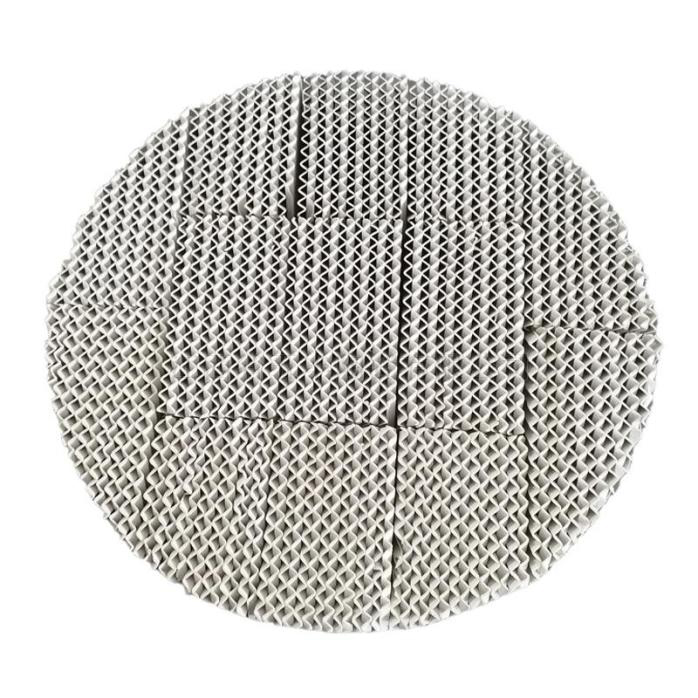
Regular packing materials demonstrate numerous application benefits in the petrochemical industry. By engineered hole placement, tower operators achieve balanced pressure drop and efficiency gains across various thermal separation processes.
Newly designed tower structures can reduce total tower diameter, while existing towers significantly enhance processing capacity through renovation.
Provides a significantly larger specific surface area compared to random/loose packing materials, yielding higher separation efficiency.
Saves energy significantly while maintaining a flexible operating range with minimal scaling effects.
Engineered for versatile deployment across virtually any tower diameter size without sacrificing efficiency.
Robustly resists harsh chemical environments, including acids, alkalis, H2S, naphthenic acids, and chloride ions.
The main difference lies in their inclination angles. X-type features a 30° inclination angle designed for a lower pressure drop, while Y-type features a 45° angle focused on maximum mass transfer performance.
They are extensively applied in key mass transfer processes including distillation, stripping, absorption, and liquid-liquid extraction.
By creating strategically engineered perforations (holes) on the corrugated plates, pressure drop and mass transfer performance can be optimized simultaneously.
Corrugated structured packing provides a significantly larger specific surface area, delivering higher separation efficiency, lower pressure drop, and predictable performance without obvious size amplification effects.
The packing material demonstrates exceptional chemical resistance against various acids and alkalis, specifically standing up to H2S, naphthenic acids, and chloride ions.