Follow 


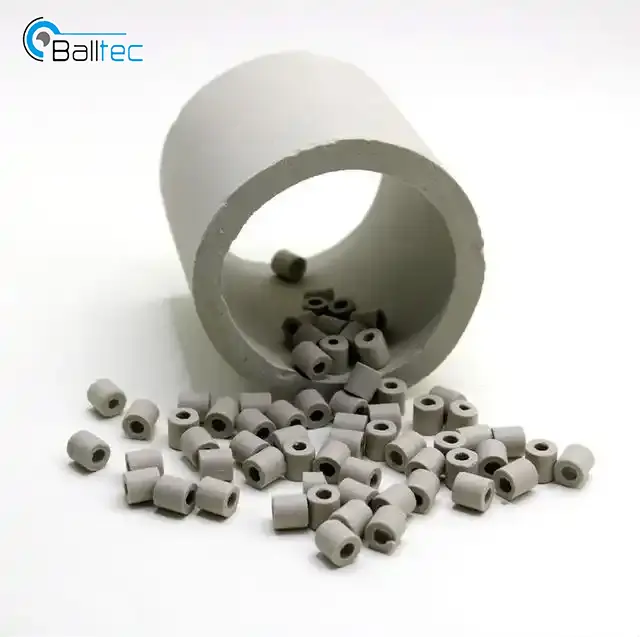
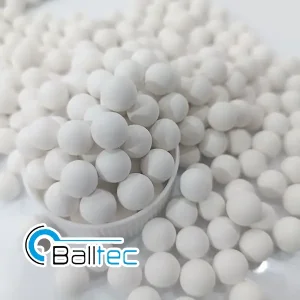
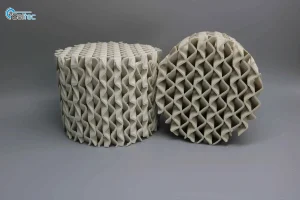
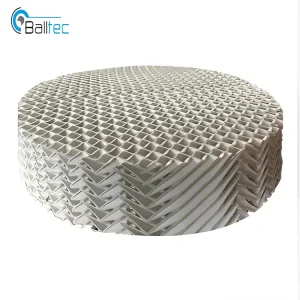
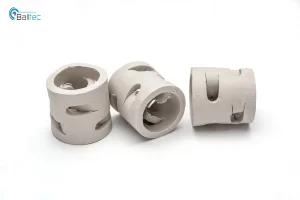
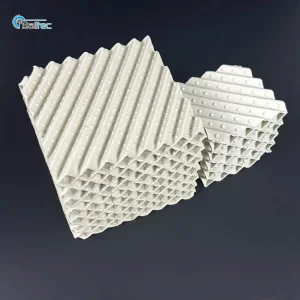
Ceramic Raschig Ring Packing is a type of ring-shaped packing made of ceramic material. Due to its special structure, it has the following characteristics:
Although the surface of Ceramic Raschig Ring Packing is relatively smooth, there are many protrusions on the ring surface. These protrusions play a very important role in operation: they increase the specific surface area of the packing, thus improving reaction efficiency and mass transfer rate.
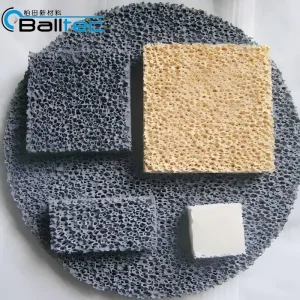
Ceramic Raschig Ring Packing has relatively large void space with many fine pores. These pores not only enhance the mass transfer rate but also broaden the application range of the packing.
As an inert material, Ceramic Raschig Ring Packing is not easily attacked by chemicals, so it has strong corrosion resistance. Meanwhile, ceramic is highly resistant to high temperature and high pressure, maintaining stable performance even under extreme operating conditions.
Ceramic Raschig Ring Packing is a commonly used packing that plays an important role in the chemical industry. Its functions are mainly reflected in the following two aspects:
Ceramic Raschig Ring Packing can increase reaction efficiency and mass transfer rate, and reduce the height and diameter of the reaction bed. Therefore, it can save space, improve reaction efficiency and lower reaction temperature.
Due to its large specific surface area, fast mass transfer rate and high reaction efficiency, the stirring energy consumption of the reaction bed is low. Thus, the use of Ceramic Raschig Ring Packing can greatly reduce the energy consumption of the reactor.
It is a type of ring-shaped packing manufactured from high-quality ceramic material, designed to provide high stability and mass transfer efficiency in chemical processing environments.
The protrusions on the ring surface significantly increase the packing's total specific surface area, which enhances mass transfer rates and reaction efficiency.
Yes. Being an inert ceramic material, it delivers exceptional resistance against chemical corrosion, high thermal stress, and high pressure, maintaining stable performance under harsh conditions.
By maximizing reaction efficiency and mass transfer, it allows for a reduction in the height and diameter of the reaction bed, saving valuable reactor space.
Its combination of high surface area, rapid mass transfer, and superior reaction efficiency lowers the required stirring energy within the reaction bed, leading to notable reactor energy savings.