Follow 


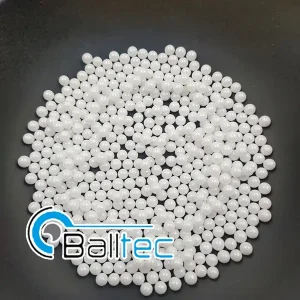
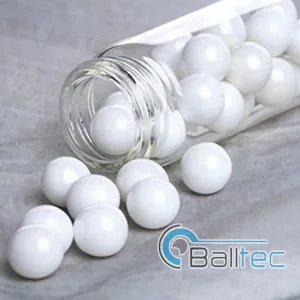
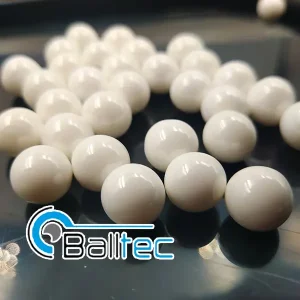
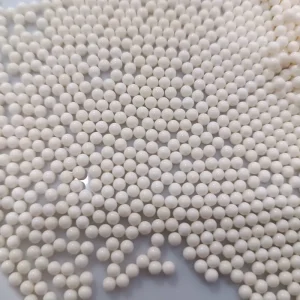
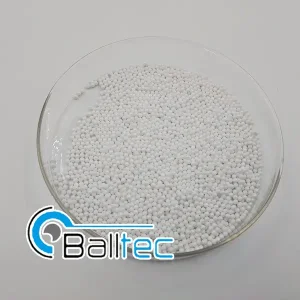
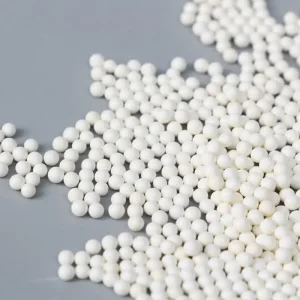
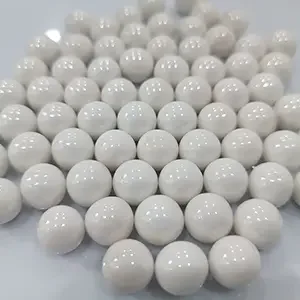
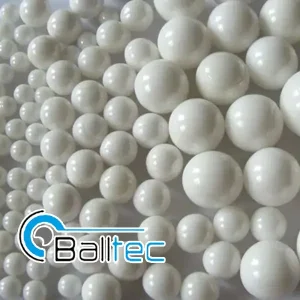
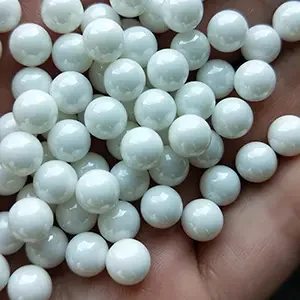
High-density ceramic grinding spheres, bearing balls, and specialized micro-media engineered for fine chemical dispersion and capacitor dielectric raw material processing.
The modern electronics, automotive electrification, and industrial power management ecosystems rely fundamentally upon Electrolytic Capacitors ("Electrolytic Caps") and high-precision dielectric ceramic components. As modern power systems transition toward higher voltage thresholds (such as 800V EV power architectures, high-frequency photovoltaic inverters, and ultra-dense energy storage solutions), the demand for high-ripple-current, low-Equivalent-Series-Resistance (ESR), and long-life electrolytic caps has reached unprecedented levels.
China has established itself as the world's most comprehensive industrial manufacturing node for both aluminum electrolytic capacitors, solid tantalum capacitors, ceramic dielectric caps, and the underlying ultra-high purity material precursor processing networks. Chinese manufacturers leverage vertically integrated supply chains—from raw bauxite and zirconium concentrate refining to high-precision ceramic bead milling, dielectric etching acid purification, and automated cap assembly lines.
Partnering directly with leading tier-1 China manufacturers ensures global procurement managers secure rigorous batch-to-batch consistency, competitive volumetric density pricing, and compliance with strict international quality frameworks (including ISO 9001, ISO 14001, ISO 45001, and REACH/RoHS compliance).
A critical, often overlooked aspect of electrolytic capacitor and ceramic capacitor (MLCC) manufacturing is the microstructural purity of the dielectric precursor powders (such as high-purity Al2O3 dielectric barrier layers, BaTiO3 ceramic slurries, and conductive polymer precursor suspensions). Standard milling media introduce metallic wear debris, causing dielectric breakdown and elevated leakage current in finished capacitors.
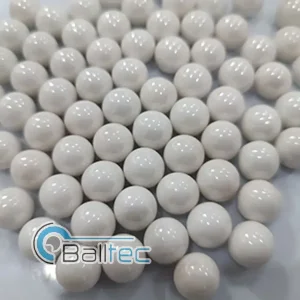
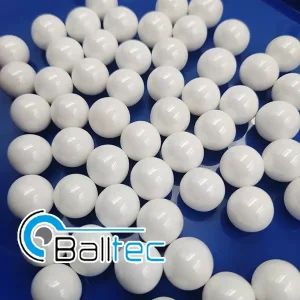
By integrating ultra-dense, low-wear Yttria-Stabilized Zirconia (Y-TZP) beads and 99.99% high-purity alumina grinding media produced by specialized leaders like Pingxiang Baitian (Ball-tec) New Materials Co., Ltd., capacitor material refiners achieve sub-micron to nanometer-scale particle dispersion without trace metal contamination.
The industrial capacitor landscape is undergoing a massive transformation driven by three core technological megatrends: Next-Gen Mobility (EVs), Green Energy Conversion, and 5G/6G High-Frequency Communication Networks.
In electric vehicle power inverters and onboard chargers (OBC), aluminum electrolytic capacitors and hybrid polymer caps operate under extreme thermal stress (up to 125°C - 150°C) and violent mechanical vibration. Ensuring high dielectric breakdown resistance begins with absolute chemical purity of aluminum oxide dielectric foils and electrolyte solvents.
To increase capacitance per unit volume, capacitor manufacturers must transition to sub-100nm dielectric powders. Achieving ultra-fine particle size distribution without agglomeration requires micro-grinding media down to 0.05mm - 0.3mm diameters, featuring zero internal porosity and extreme wear resistance.
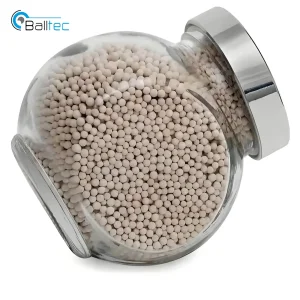
Water content in electrolytic cap organic electrolytes must be controlled strictly below ppm levels to prevent gas generation, bulging, and catastrophic seal failure. Molecular sieve 4A and 13X columns provide essential deep dehydration of gamma-butyrolactone (GBL), ethylene glycol, and dimethylformamide (DMF) solvents.
Selecting the appropriate ceramic material system is vital for optimizing mill performance, energy efficiency, and chemical purity during industrial precursor synthesis.
| Material Classification | Specific Gravity (g/cm³) | Mohs Hardness / HV10 | Crush Strength (N) | Key Application in Capacitor & Electronics Supply Chain |
|---|---|---|---|---|
| Yttria-Stabilized Zirconia (Y-TZP) | ≥ 6.00 | 9.0 / 1250 HV | ≥ 2000 N (2mm) | Ultra-fine nano-grinding of dielectric powders (BaTiO3, Ta2O5), zero contamination |
| Ceria-Stabilized Zirconia (Ce-TZP) | ≥ 6.20 | 9.0 / 1150 HV | ≥ 2200 N (2mm) | High-impact heavy bead milling of dense chemical minerals and metallic precursors |
| High Purity Alumina (99.99% Al2O3) | ≥ 3.92 | 9.0 / 1600 HV | ≥ 1800 N (2mm) | Corrosion-resistant milling, high-temperature furnace lining, electrical insulator substrate |
| Zirconium Silicate (ZrSiO4) | ≥ 4.00 | 8.0 / 1000 HV | ≥ 1200 N (2mm) | Mid-density cost-efficient grinding in vertical sand mills and mineral processing |
| Silicon Nitride (Si3N4) Bearing Balls | ≥ 3.25 | 9.5 / 1700 HV | Extreme Precision G3/G5 | Non-conductive high-speed precision bearing elements for capacitor automation lines |
| Zeolite Molecular Sieve (4A/5A/13X) | Bulk: 0.65 - 0.75 | N/A (Adsorbent) | ≥ 40 N (Sphere) | Deep drying of organic electrolyte solvents, gas purification in capacitor curing ovens |
Pingxiang Baitian (Ball-tec) provides comprehensive engineering solutions tailored specifically for chemical refiners, electronic component manufacturers, and energy storage equipment builders.
Eliminate iron, silica, and heavy metal impurity pickup during high-energy bead milling. Baitian’s Y-TZP yttria-stabilized micro-beads guarantee a smooth surface finish, spherical precision >98%, and exceptional crush resistance, enabling continuous dispersion in high-speed pin-type agitation mills.
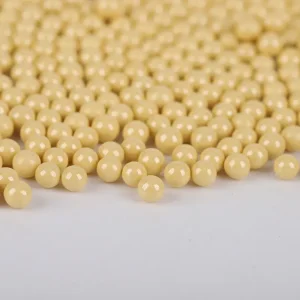
Utilizing high-adsorption 4A, 5A, and 13X synthetic zeolite molecular sieves engineered with precise pore dimensions (4Å, 5Å, 10Å). Our low-attrition molecular sieves strip water down to <5 ppm and remove trace carbon dioxide/ammonia, safeguarding capacitor shelf-life and operating reliability.
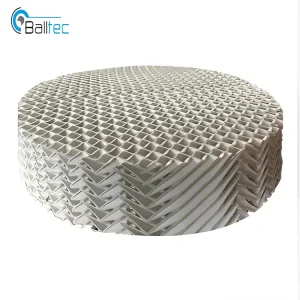
In high-voltage aluminum foil etching plants, aggressive acid recovery towers demand superior chemical resistance. Baitian ceramic Pall rings, Raschig rings, and 500Y ceramic corrugated structured packing deliver high liquid-gas mass transfer efficiency under concentrated hot nitric, hydrochloric, and sulfuric acid vapors.
High-speed automated capacitor winding, slicing, and sorting machinery operate under relentless thermal cycles. Integrating Baitian Silicon Nitride (Si3N4) and Zirconia (ZrO2) G3/G5 ceramic bearing balls provides zero magnetic interference, extreme electrical isolation, and 3x to 5x service life extension over steel balls.
As solid-state battery technology, ultra-capacitors, and wide-bandgap semiconductors (SiC/GaN) mature, industrial ceramic material specifications are evolving toward ultra-dense, defect-free microstructures.
Development of ultra-fine micro-beads (0.03mm - 0.1mm) with crystal grain sizes <0.2µm for nano-structured dielectric inks and solid electrolyte separator milling.
Full deployment of closed-loop energy recovery kilns and zero-water-discharge spray drying towers across our 100,000 m² Pingxiang manufacturing site.
Integration of multi-phase composite ceramics (Alumina-Toughened Zirconia, ZTA) offering targeted dielectric constants and high thermal dissipation properties.
Pingxiang Baitian (Ball-tec) New Materials Co., Ltd. stands as a premier high-tech enterprise integrating scientific research, advanced powder synthesis, precision forming, and global direct sales of technical ceramics.
Founded by a distinguished team of technical experts who spent decades advancing ceramics at leading multinational companies in Japan and the United States, alongside senior Chinese chemical process engineers. Since establishing molecular sieve production in 1990, Baitian has continually expanded its technical footprint.
Operating from a modern 100,000 m² integrated production base in the Pingxiang Ceramic Industrial Park (Jiangxi Province, China), the company maintains end-to-end quality control across raw material calcination, wet grinding, spray drying, cold isostatic pressing (CIP), high-temperature sintering, and precision polishing.
Baitian operates strictly under accredited management systems:
Every single production lot undergoes comprehensive testing—including X-ray diffraction (XRD) crystal phase analysis, ICP trace impurity testing, optical sphericity evaluation, and drop-weight impact crushing tests—ensuring 100% batch traceability for tier-1 industrial clients worldwide.
Detailed answers from our senior materials engineers addressing common technical questions regarding ceramic media, molecular sieves, and electrolytic cap component sourcing.
Explore high-purity alumina beads, structured column packing, molecular sieves, and zirconium silicate media tailored for industrial processing plants.