Follow 


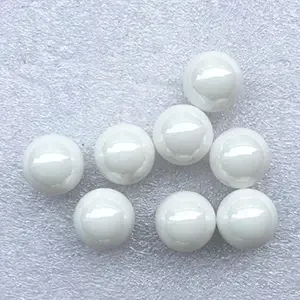
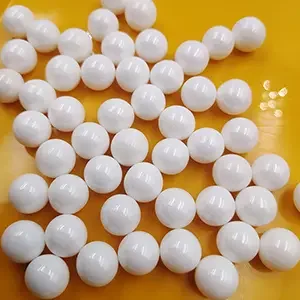
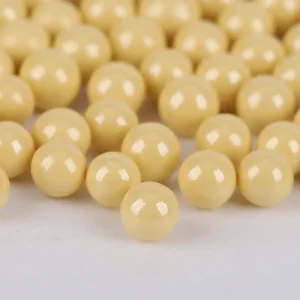
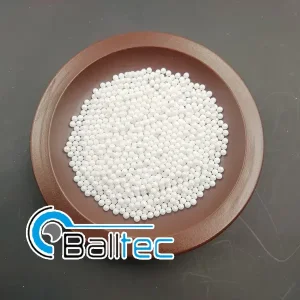
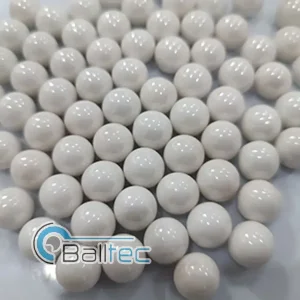
Direct access to primary engineered ceramic materials, micro-bead media, and high-temperature substrates manufactured for extreme industrial stability.
The global power resistor industry is undergoing a structural paradigm shift driven by the electrification of industrial machinery, grid modernization, utility-scale renewable energy storage, and the widespread deployment of electric vehicles (EVs). A power resistor is an engineered resistive element designed to dissipate significant electrical energy (ranging from tens of watts to multiple megawatts) as heat, maintaining ohmic stability under extreme voltage surges, high ambient temperatures, and vibrational stress.
As wholesale procurement leaders and system engineers evaluate tier-1 factory suppliers, technical evaluation metrics have expanded beyond simple resistance value (Ω) and wattage rating (W). Procurement decisions now prioritize thermal time constants, surge overload capabilities, dielectric strength, inductive inductance mitigation, and material substrate purity.
High-Voltage Direct Current (HVDC) transmission lines and smart sub-stations require massive neutral grounding resistors (NGR) and dynamic braking banks to protect multi-million-dollar transformers from transient fault currents.
Megawatt-level fast-charging stations and EV battery test banks demand thick-film and water-cooled power resistors capable of absorbing ultra-fast regenerative braking dumps and pulse discharges.
Variable Frequency Drives (VFDs) controlling heavy industrial motors in crane hoisting, mining, and oil extraction require robust wirewound braking resistors to bleed off excess kinetic energy cleanly.
Understanding the internal chemistry and ceramic core composition of power resistors is vital for selecting the ideal component for harsh environments. A OEM factory's ability to maintain high purity in ceramic substrates directly dictates dielectric breakdown thresholds and long-term ohmic drift.
| Resistor Technology | Resistive Element Core | Typical Power Range | Temperature Coefficient (TCR) | Primary Industrial Application |
|---|---|---|---|---|
| Wirewound (Enamelled/Cased) | NiCr or CuNi alloy wire wrapped on Alumina/Steatite core | 5W to 5,000W | ±20 to ±200 ppm/°C | VFD Braking, Motor Starters, Power Supplies |
| Ceramic Non-Inductive | Bulk ceramic matrix (SiC / Alumina composite) | 10W to 10,000W (Pulse) | -500 to -1500 ppm/°C | Snubber circuits, RF transmitters, High-voltage pulse load |
| Thick Film Planar | Ruthenium Oxide / Cermet paste on AlO₂ / AlN substrate | 35W to 1,000W (Heatsinked) | ±50 to ±300 ppm/°C | Traction drives, Medical lasers, Electric vehicles |
| Stainless Steel Grid | Stamped Cr-Al-Fe or AISI 304/316 alloy grids | "1kW to 100kW+ (Modular)±250 to ±900 ppm/°C | Neutral Grounding, Crane Braking, Load Testing Banks |
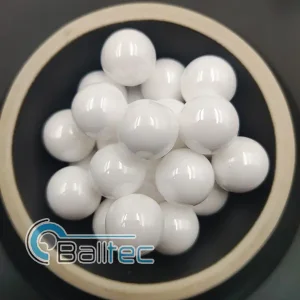
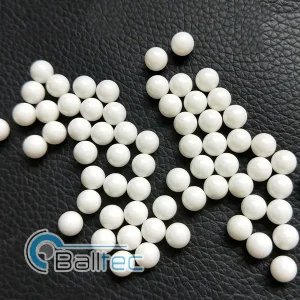
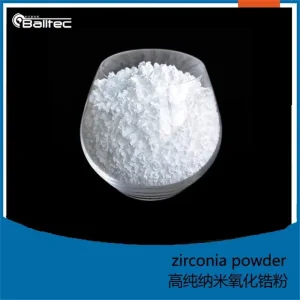
Modern high-power densities necessitate engineered ceramic cores. Substrates manufactured from High-Purity Alumina (Al₂O₃) and Yttria-Stabilized Zirconia (YSZ) provide extraordinary electrical insulation while retaining exceptional thermal conductivity. This guarantees rapid heat transfer from the resistive element to external heat sinks or aluminum enclosures without thermal fracturing.
For enterprise procurement officers, sourcing wholesale power resistors requires balancing Unit Price with Total Cost of Ownership (TCO). Unplanned downtime caused by a failed snubber resistor or a burned-out braking grid can disrupt an entire industrial automation line or power substation.
Evaluate factory capabilities for bespoke ohmic tolerances, non-inductive winding formats, custom bracket mountings, and tailored ingress protection (IP20 to IP65 enclosures).
Ensure suppliers conduct 100% short-time overload testing (typically 5x to 10x rated power for 5 seconds) to prevent field breakdown during sudden voltage spikes.
Partner with factories offering multi-regional raw material sourcing (NiCr alloys, ceramic powders, specialized silicone resins) to hedge against geopolitical supply disruptions.
Demands automated winding, laser trimming, and robotic potting to achieve strict process capability indices ($C_{pk} > 1.67$) across bulk wholesale orders.
Power resistors serve distinct functional roles across various heavy engineering verticals. Below are engineered solutions tailored for high-stakes operational environments:
Application: Crowbar Resistors & Chopper Resistors for DFIG Wind Turbines.
During grid faults, wind turbine generators experience severe rotor overcurrents. Non-inductive ceramic-core power resistors absorb massive pulse energies in milliseconds, preventing inverter destruction and ensuring Low-Voltage Ride-Through (LVRT) compliance.
Application: Roof-Mounted Dynamic Braking Resistor (DBR) Banks.
Electric locomotives require lightweight, stainless-steel grid arrays capable of dissipating continuous multi-megawatt kinetic energy during deceleration. Systems feature forced-air cooling and IP23 stainless steel enclosures resistant to high vibration.
Application: Liquid-Cooled Power Resistor Modules.
In enclosed environments like marine vessels and underground mining rigs, air cooling is inefficient. Liquid-cooled aluminum-housed thick-film power resistors transfer heat directly to water-glycol loops, reducing space footprints by up to 70%.
Global deployment of heavy electrical equipment requires absolute compliance with international safety and environmental directives. Leading factories maintain rigorous testing suites to validate performance before dispatch.
As wide-bandgap (WBG) semiconductors like Silicon Carbide (SiC) and Gallium Nitride (GaN) push power electronic switching frequencies into the megahertz realm, power resistors must adapt. Traditional inductive wirewound components introduce unwanted parasitic inductance, causing severe voltage ringing and electromagnetic interference (EMI).
Evolution of Aryton-Perry winding geometries and planar thick-film ceramic architectures to suppress self-inductance to < 50nH for ultra-fast SiC snubber protection.
Integration of embedded fiber-optic temperature sensors and micro-RTUs within power resistor frames for real-time thermal health monitoring and predictive failure alerts.
Adoption of Aluminum Nitride (AlN) and Diamond-Like Carbon (DLC) substrate coatings to elevate power handling density while dramatically decreasing physical footprints.
Comprehensive responses to common engineering queries regarding wholesale power resistor selection, manufacturing lead times, and application design.
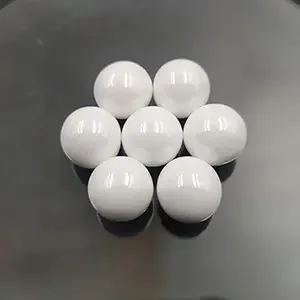
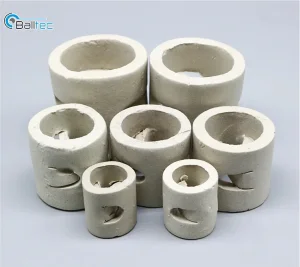
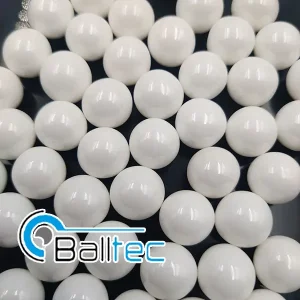
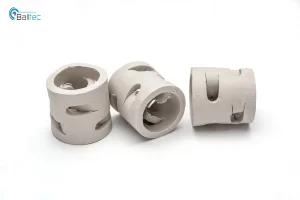
Explore our factory-direct technical ceramic components, wear-resistant media, and tower packing materials built for demanding operations.