Follow 


Engineered to withstand extreme thermal shock, concentrated sulfuric acid environments, and high operational pressure drops across Southeast Asian process plants.
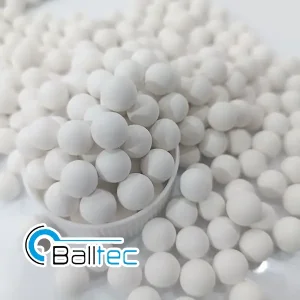
High-density bed support media (23%-99% Al₂O₃) engineered for hydrocrackers, catalytic reformers, and ammonia synthesis units in Pertamina refineries.
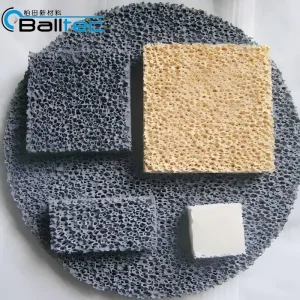
3D porous zirconia & silicon carbide foam filters for molten metal purification, high-temp gas filtration, and particulate containment.
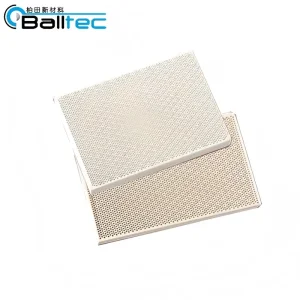
Cordierite combustion plates with micro-porous honeycomb pattern, offering 30% fuel savings for industrial drying and palm oil processing boilers.
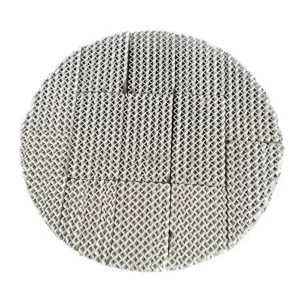
Low-pressure-drop corrugated sheet packing optimizing separation efficiency in acid absorption and VOC recovery towers.
A comprehensive examination of chemical processing, hydrocarbon distillation, and fertilizer manufacturing dynamics across the Indonesian archipelago.
As Southeast Asia’s largest economy, Indonesia is undergoing an unprecedented modernization of its heavy process industries. Driven by national downstreaming policies (Hilirisasi), state-owned enterprises such as PT Pertamina (Persero) and PT Pupuk Indonesia, along with major private conglomerates in Cilegon, Balikpapan, and Dumai, are executing massive expansion and retrofitting projects. From downstream petrochemical complexes and fertilizer synthesis plants to palm oil (oleochemical) refineries and High-Pressure Acid Leach (HPAL) nickel processing facilities in Sulawesi and Maluku, the demand for high-performance separation media has expanded dramatically.
In mass transfer operations—such as distillation, gas absorption, stripping, and scrubbers—ceramic tower packing represents a fundamental engineering component. Ceramic materials provide unmatched chemical inertness, high temperature tolerance, and mechanical stability when exposed to harsh media like concentrated sulfuric acid ($H_2SO_4$), nitric acid ($HNO_3$), chlorine, and aggressive organic solvents, where stainless steel, polypropylene, or metallic packings suffer rapid corrosion or structural collapse.
Technical Insight for Indonesian Process Engineers: In high-temperature and highly corrosive absorption columns (e.g., sulfuric acid double-absorption towers in Cilegon or nickel leaching plants in Morowali), ceramic structured packing and high-purity inert alumina balls eliminate metallic ion contamination while maintaining hydraulic pressure drop efficiency under fluctuating vapor loads.
Optimal distillation and absorption require balancing high liquid-gas contact surface area against hydraulic resistance (pressure drop). Ceramic tower packings are divided into two main structural categories: Random Mass Transfer Packings (Raschig Rings, Pall Rings, Intalox Saddles) and Structured Corrugated Ceramic Packings (250Y, 350Y, 500Y).
When selecting ceramic mass transfer packing for high-load columns in tropical environments like Indonesia—where high ambient temperatures and humidity affect cooling water loops—process engineers must account for the following thermodynamic parameters:
Combining raw material purity, automated continuous tunnel kilns, and preferential regional trade agreements (Form E ACFTA).
Located in Jiangxi, China's premier industrial ceramics hub, leveraging century-long technical expertise, vertical raw kaolin integration, and centralized laboratory testing.
Continuous computer-controlled tunnel kilns operating at 1400°C–1600°C ensure consistent crystalline mullite-corundum phase distribution and high cold crushing strength.
Under the China-ASEAN Free Trade Area agreement, Indonesian importers enjoy 0% import tariffs using officially certified Form E documentation, dramatically lowering procurement CAPEX.
Across global petrochemical hubs—from Houston and Rotterdam to Cilegon and Jurong Island—the chemical industry is executing revamps aimed at energy decarbonization and capacity expansion. Older random packings are increasingly replaced with high-efficiency ceramic corrugated plate structured packing. This transition yields:
Comprehensive physical, chemical, and hydraulic performance metrics for process design verification.
| Property / Material Grade | Standard Chemical Ceramic | Medium Alumina (50%-70%) | High Alumina Bed Support (92%-99%) | Acid-Resistant Porcelain |
|---|---|---|---|---|
| Al₂O₃ Content (%) | 23.0 - 30.0% | 50.0 - 70.0% | 92.0 - 99.5% | 25.0 - 35.0% |
| SiO₂ Content (%) | 65.0 - 72.0% | 25.0 - 42.0% | ≤ 0.5% | 60.0 - 70.0% |
| Fe₂O₃ Content (%) | < 1.0% | < 0.5% | < 0.1% | < 0.8% |
| Water Absorption (%) | ≤ 0.5% | ≤ 0.3% | ≤ 0.05% | ≤ 0.5% |
| Acid Resistance (ASTM C279) | ≥ 99.5% | ≥ 99.8% | ≥ 99.9% | ≥ 99.6% |
| Bulk Density (g/cm³) | 2.20 - 2.40 | 2.60 - 2.90 | 3.60 - 3.85 | 2.25 - 2.35 |
| Max Operating Temp (°C) | 1100 °C | 1350 °C | 1550 - 1650 °C | 1050 °C |
| Standard Applications | Acid Scrubbers | Thermal Energy Storage | Hydrocrackers / Reformers | Sulfuric Acid Towers |
| Packing Model | Specific Surface Area ($m^2/m^3$) | Corrugation Angle (°) | Void Fraction (%) | Bulk Density ($kg/m^3$) | HETP (mm) |
|---|---|---|---|---|---|
| Ceramic 125Y | 125 | 45° | 84% | 380 | 650 - 800 |
| Ceramic 250Y | 250 | 45° | 78% | 480 | 350 - 450 |
| Ceramic 350Y | 350 | 45° | 73% | 560 | 280 - 350 |
| Ceramic 500Y | 500 | 45° | 68% | 650 | 200 - 260 |
Deployment scenarios matched to the specific chemical conditions of major regional industrial zones.
Primary Products: 500Y Ceramic Structured Packing, Ceramic Pall Rings.
Applications: Ethylene plants, chlorine scrubbers, and concentrated sulfuric acid towers requiring zero silica leaching and maximum mass transfer efficiency.
Primary Products: High-Purity Inert Alumina Balls (99% Al₂O₃), Ceramic Intalox Saddles.
Applications: Hydrotreating catalyst support beds, guard beds, and Claus sulfur recovery units operated under high thermal stress.
Primary Products: Ceramic Raschig Rings, 250Y Structured Packing.
Applications: Ammonia synthesis gas desulfurization, CO₂ absorption columns (MDEA systems), and urea granulation off-gas scrubbing.
Primary Products: Acid-Resistant Ceramic Raschig Rings & Super Intalox Saddles.
Applications: High-pressure acid leach gas scrubbers, sulfur burning acid plants, and metal recovery neutralization columns handling pH 0-2 fluids.
Streamlined export procedures tailored for direct delivery to Tanjung Priok (Jakarta) and Tanjung Perak (Surabaya) ports.
Ocean transportation across tropical routes requires heavy-duty protective packaging to eliminate breakage during sea transit and port crane unloading. Our industrial packaging protocols adhere strictly to international standards:
Customs Clearance Advantage for Indonesia: We provide complete Form E (ASEAN-China Free Trade Certificate of Origin) paperwork, Bill of Lading, Commercial Invoice, Packing List, and Mill Test Certificates to ensure expedited clearance at Indonesian customs with 0% import duty.
Explore our extensive range of random packings, corrugated structured plates, and specialized ceramic grinding media.
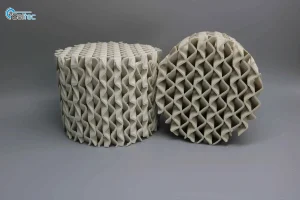
Engineered for high vapor velocity columns, minimizing pressure drop while maximizing gas-liquid interface exposure.
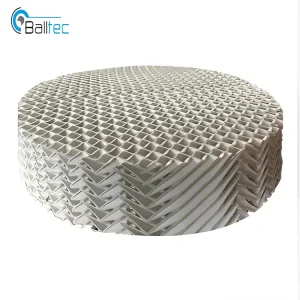
Precision-formed ceramic corrugated sheets designed for corrosive chemical absorption and solvent recovery systems.
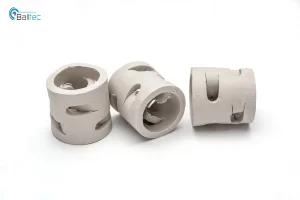
Enhanced random packing featuring internal window openings that boost liquid distribution and throughput capacity.
High-surface-area 500Y packing optimizing high-purity separation in fine chemical and pharmaceutical distillation columns.
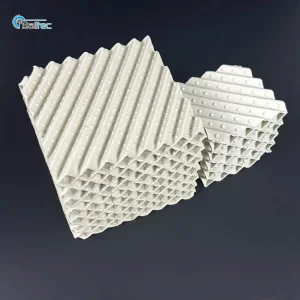
Innovative bellow-shaped structural design delivering superior wall-flow reduction and low hydraulic pressure drop.
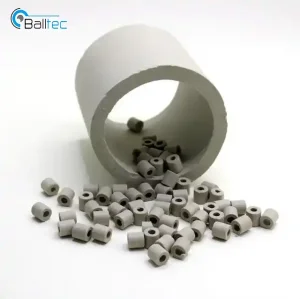
Economical chemical-resistant random packing for heavy-duty gas scrubbing and acid concentration towers.
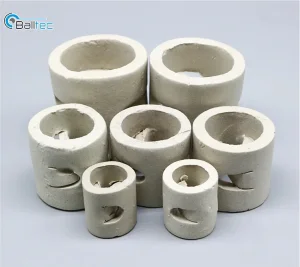
High mechanical strength random packings engineered for severe thermal shock resistance in refinery towers.
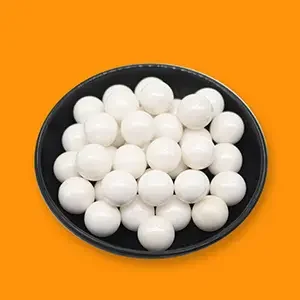
High-density YTZP zirconia beads engineered for fine ceramic, pigment, and battery slurry ultra-fine wet grinding.
Direct technical guidance on packing selection, operational lifespan, and trade logistics.
Get factory-direct pricing, custom engineering datasheets, and Form E tariff benefits for your chemical, refinery, or fertilizer project in Indonesia.